THE ADVENTURE COLLECTIVE® · Independent discovery and booking for outdoor travel

A focused four-day itinerary linking Luxor’s temples, Aswan’s river islands and the relocated masterpieces of Abu Simbel. Expect guided access, uneven walking surfaces, hot sun and unforgettable ancient architecture.
A focused four-day itinerary linking Luxor’s temples, Aswan’s river islands and the relocated masterpieces of Abu Simbel. Expect guided access, uneven walking surfaces, hot sun and unforgettable ancient architecture.
You step off the air-conditioned vehicle and the Nile’s flat light spreads across sandstone and palm stubble; temple pylons rise like pages ripped from a history book. In Luxor the avenue of columns at Karnak narrows your breath, while at Luxor Temple the warm stone seems to hold the setting sun.
Verified experiences and guided adventures in the surrounding area.
Operated by Odysseys Voyage · Luxor, Luxor Governorate
You step off the air-conditioned vehicle and the Nile’s flat light spreads across sandstone and palm stubble; temple pylons rise like pages ripped from a history book. In Luxor the avenue of columns at Karnak narrows your breath, while at Luxor Temple the warm stone seems to hold the setting sun.
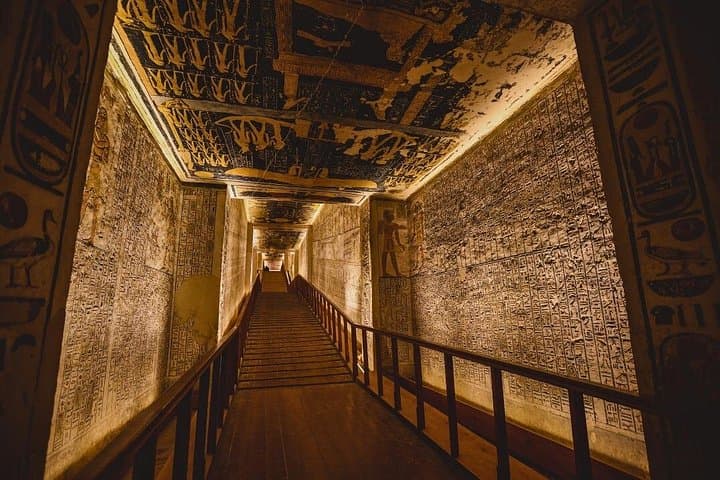
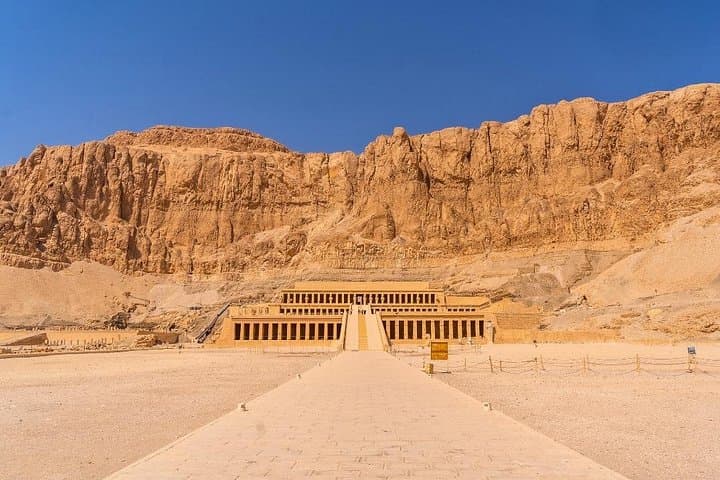
These four days trace millennia: Pharaonic temples carved from living rock, the mortuary architecture of the West Bank, and the colossal façades of Abu Simbel, moved stone by stone when the High Dam reshaped the Nile’s floodplain. Geology is constant here—soft Nile mud beneath thick limestone and sandstone façades that took thousands of years to patinate. Nubian culture threads through Aswan’s river islands and the Nubian Museum’s displays, offering context beyond the carved reliefs.
Expect guided access to major sites, short walks on uneven surfaces, shaded boat transfers to Philae, and a scenic drive to Abu Simbel. Timings are tight but manageable: mornings for tombs when light is best, afternoons for museums and the High Dam. Pack water, sun protection, and shoes that handle sand, steps and slick stone.
Practical notes: domestic flights and hotels are not included, so plan arrival and overnight stays in Luxor or Aswan. Photography rules, ticket limits and seasonal heat influence pacing; a local guide handles permits and skip-the-line entry. Move deliberately—these monuments reward patient attention, and small choices (start early, drink often, carry a light layer) make the difference between rushed sightseeing and a restorative encounter with Egypt’s living past.
moderate.
4 days.
Moderate—able to walk 2–4 hours a day over uneven ground and steps; comfortable boarding short boats and buses.
No—domestic flights and accommodations are excluded; plan logistics and overnight stays in Luxor and Aswan independently.
Yes—the road journey takes about 3–4 hours each way; the tour typically schedules an early start and a guided visit at the site.
The operator lists wheelchair-accessible options, but many ancient sites have steps and uneven surfaces; check specific accessibility needs with the provider before booking.
Fall through early spring (October–April) offers cooler temperatures and more comfortable touring; summers are very hot and require early starts and extra water.
These sites span the New Kingdom to modern engineering eras—Abu Simbel was famously relocated in the 1960s to save it from the Rising Nile after the Aswan High Dam was built.
Tourism is concentrated at key monuments; follow stay-on-path rules and avoid flash photography in tombs to limit wear. Local projects support monument conservation and community tourism in Nubian villages.
Odysseys Voyage operates guided outdoor trips and adventures with an emphasis on safety, stewardship, and memorable experiences.
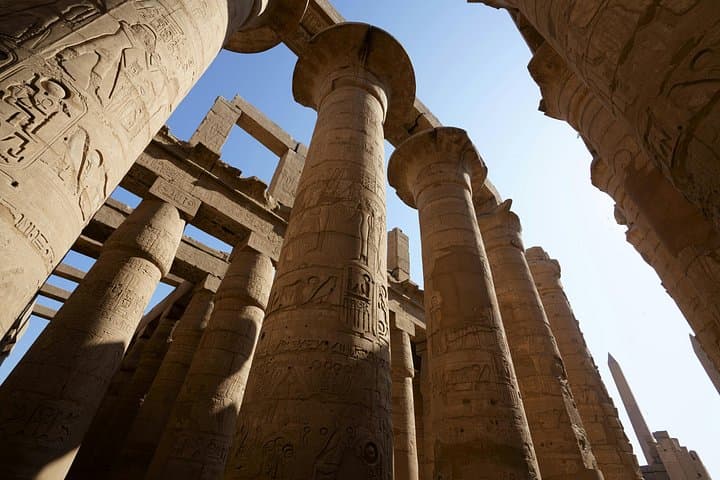
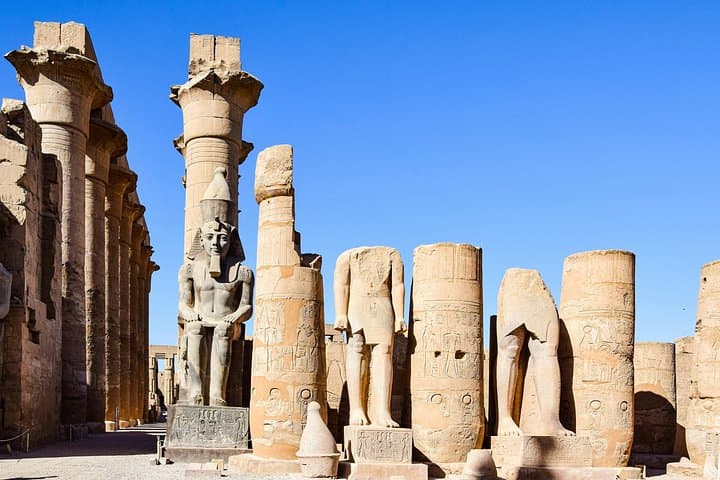
You step off the air-conditioned vehicle and the Nile’s flat light spreads across sandstone and palm stubble; temple pylons rise like pages ripped from a history book. In Luxor the avenue of columns at Karnak narrows your breath, while at Luxor Temple the warm stone seems to hold the setting sun.
You step off the air-conditioned vehicle and the Nile’s flat light spreads across sandstone and palm stubble; temple pylons rise like pages ripped from a history book. In Luxor the avenue of columns at Karnak narrows your breath, while at Luxor Temple the warm stone seems to hold the setting sun.
These four days trace millennia: Pharaonic temples carved from living rock, the mortuary architecture of the West Bank, and the colossal façades of Abu Simbel, moved stone by stone when the High Dam reshaped the Nile’s floodplain. Geology is constant here—soft Nile mud beneath thick limestone and sandstone façades that took thousands of years to patinate. Nubian culture threads through Aswan’s river islands and the Nubian Museum’s displays, offering context beyond the carved reliefs.
Expect guided access to major sites, short walks on uneven surfaces, shaded boat transfers to Philae, and a scenic drive to Abu Simbel. Timings are tight but manageable: mornings for tombs when light is best, afternoons for museums and the High Dam. Pack water, sun protection, and shoes that handle sand, steps and slick stone.
Practical notes: domestic flights and hotels are not included, so plan arrival and overnight stays in Luxor or Aswan. Photography rules, ticket limits and seasonal heat influence pacing; a local guide handles permits and skip-the-line entry. Move deliberately—these monuments reward patient attention, and small choices (start early, drink often, carry a light layer) make the difference between rushed sightseeing and a restorative encounter with Egypt’s living past.