THE ADVENTURE COLLECTIVE® · Independent discovery and booking for outdoor travel

Walk into Nam Ha National Protected Area on a four-day community trek from Luang Namtha—forest trails, Khmu homestays and river corridors combine cultural immersion with accessible jungle hiking. Learn practical tips for gear, timing and village etiquette before you go.
Walk into Nam Ha National Protected Area on a four-day community trek from Luang Namtha—forest trails, Khmu homestays and river corridors combine cultural immersion with accessible jungle hiking. Learn practical tips for gear, timing and village etiquette before you go.
You step off the minivan in Luang Namtha as heat and green meet—banana palms, a humid breeze and the distant roll of the Nam Ha River daring you into the hills. By the second morning you’re walking beneath old-growth canopy, the path narrowing between buttressed roots, then opening onto paddies and Khmu villages where children watch you pass.
Verified experiences and guided adventures in the surrounding area.
Operated by Phou Iu Travel & Ecotourism · Luang Namtha, Luang Namtha Province
You step off the minivan in Luang Namtha as heat and green meet—banana palms, a humid breeze and the distant roll of the Nam Ha River daring you into the hills. By the second morning you’re walking beneath old-growth canopy, the path narrowing between buttressed roots, then opening onto paddies and Khmu villages where children watch you pass.
The route threads through Nam Ha National Protected Area, a landscape shaped by monsoon-fed rivers and upland rainforest that communities have lived in for generations. Khmu and Lanten minority groups maintain traditional crafts, rice pounding and crossbow shooting—daily rhythms you’ll see and sometimes join. Geologically the area drops from low river valleys to steeper upland slopes, so expect short, steep climbs and river crossings rather than high alpine passes.
This is community-based trekking: homestays in Nalan let you sleep within village life, sharing meals of sticky rice and Lao coffee. Guides bridge language and custom, explaining local taboos and the way villagers manage shifting cultivation.
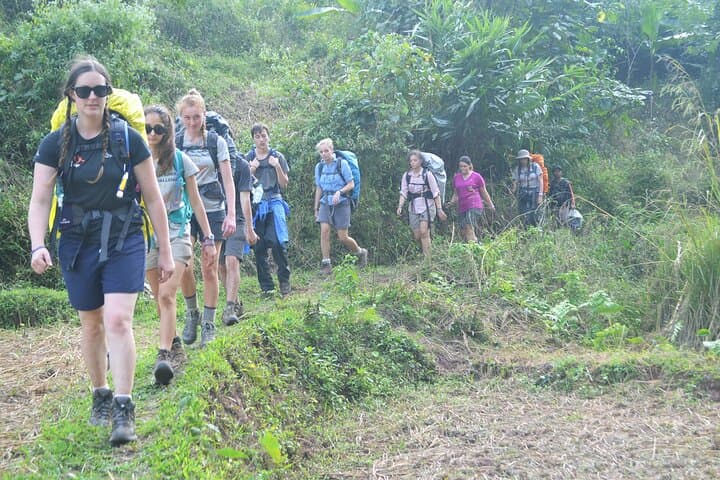
Practical guidance: hikes vary—typical sections are 2–6 hours daily over mixed dirt tracks and forest trails with moderate elevation change. Bring a reliable rain jacket and boots for muddy sections, insect repellent, and cash for small village purchases and tips. Start hikes in the morning to avoid afternoon rains and conserve energy for steeper uphills. Respect village rules on photography and clothing; a simple sarong or long-sleeve shirt is appreciated. The trek rewards steady pacing and curiosity—the jungle pushes forward, and the villages open up in return.
moderate.
4 days.
Good basic fitness; you should be comfortable hiking 2–6 hours on uneven trails and climbing short steep sections.
Entry fees for Nam Ha NPA are included in organized treks; independent visitors should check with local authorities or visitor centers for permit requirements and fees.
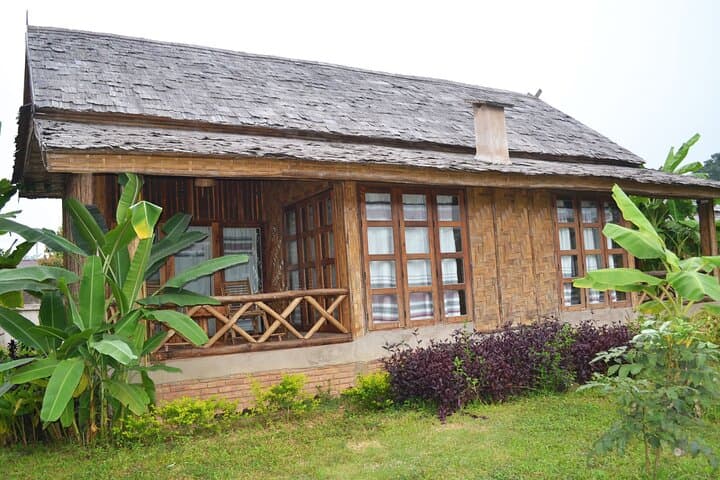
Accommodation combines basic bungalows in Luang Namtha and simple village homestays with shared facilities—expect modest bedding and local-style meals.
Families with older children who can handle several hours of hiking per day will be fine; very young children may find terrain and long days challenging.
Local guides can usually accommodate common dietary requests if notified in advance, but options are simple and based on local ingredients—bring snacks for specific needs.
Nam Ha was designated a protected area to conserve lowland and upland forest and supports diverse ethnic groups—Khmu and Lanten communities maintain traditional livelihoods along these trails.
Community-based tourism channels income to villages and incentivizes forest protection; visitors should follow leave-no-trace practices and avoid single-use plastics.
Phou Iu Travel & Ecotourism operates guided outdoor trips and adventures with an emphasis on safety, stewardship, and memorable experiences.


You step off the minivan in Luang Namtha as heat and green meet—banana palms, a humid breeze and the distant roll of the Nam Ha River daring you into the hills. By the second morning you’re walking beneath old-growth canopy, the path narrowing between buttressed roots, then opening onto paddies and Khmu villages where children watch you pass.
You step off the minivan in Luang Namtha as heat and green meet—banana palms, a humid breeze and the distant roll of the Nam Ha River daring you into the hills. By the second morning you’re walking beneath old-growth canopy, the path narrowing between buttressed roots, then opening onto paddies and Khmu villages where children watch you pass.
The route threads through Nam Ha National Protected Area, a landscape shaped by monsoon-fed rivers and upland rainforest that communities have lived in for generations. Khmu and Lanten minority groups maintain traditional crafts, rice pounding and crossbow shooting—daily rhythms you’ll see and sometimes join. Geologically the area drops from low river valleys to steeper upland slopes, so expect short, steep climbs and river crossings rather than high alpine passes.
This is community-based trekking: homestays in Nalan let you sleep within village life, sharing meals of sticky rice and Lao coffee. Guides bridge language and custom, explaining local taboos and the way villagers manage shifting cultivation.
Practical guidance: hikes vary—typical sections are 2–6 hours daily over mixed dirt tracks and forest trails with moderate elevation change. Bring a reliable rain jacket and boots for muddy sections, insect repellent, and cash for small village purchases and tips. Start hikes in the morning to avoid afternoon rains and conserve energy for steeper uphills. Respect village rules on photography and clothing; a simple sarong or long-sleeve shirt is appreciated. The trek rewards steady pacing and curiosity—the jungle pushes forward, and the villages open up in return.