THE ADVENTURE COLLECTIVE® · Independent discovery and booking for outdoor travel

Experience Lhasa’s spiritual core over four days: Potala Palace, Jokhang Temple, Barkhor Street and the debating monks of Sera. This paced small-group tour includes transfers, permits and local Tibetan English-speaking guides to help you navigate altitude and culture.
Experience Lhasa’s spiritual core over four days: Potala Palace, Jokhang Temple, Barkhor Street and the debating monks of Sera. This paced small-group tour includes transfers, permits and local Tibetan English-speaking guides to help you navigate altitude and culture.
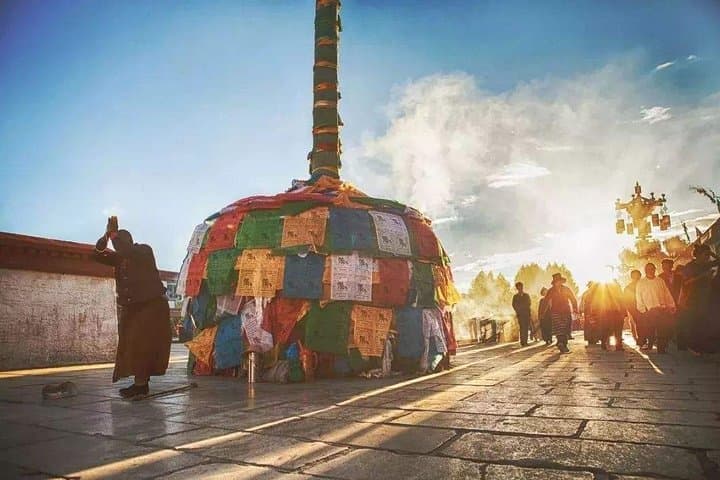
You arrive in Lhasa and the air feels thinner, charged with prayer flags snapping like small, colorful commands. The city sits high on the Tibetan Plateau, terraced against a wide valley; from the street the Potala Palace rises 13 stories above the whitewashed roofs, its red and ochre faces catching late light.
Verified experiences and guided adventures in the surrounding area.
Operated by Samtour of Chengdu OTC Travel · Lhasa, Tibet Autonomous Region
You arrive in Lhasa and the air feels thinner, charged with prayer flags snapping like small, colorful commands. The city sits high on the Tibetan Plateau, terraced against a wide valley; from the street the Potala Palace rises 13 stories above the whitewashed roofs, its red and ochre faces catching late light.
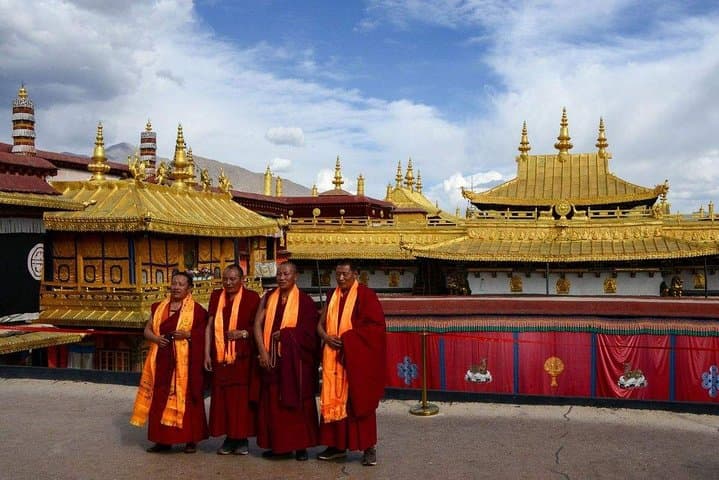
This four-day small-group tour stitches together Lhasa’s core: the Potala Palace complex, Jokhang Temple and the Barkhor pilgrim circuit, plus the scholarly monasteries of Drepung and Sera. Potala’s layered architecture reflects centuries of Tibetan governance and Buddhist devotion; Jokhang houses the revered Jowo statue that drew pilgrims for a millennium. Geologically, Lhasa occupies a fold of the Himalayan uplift — rocky outcrops and dry, high-altitude riverbeds shape the city’s frame, and yaks graze in the surrounding pastures.
Culturally the trip is intimate: you’ll watch monks debate at Sera, see pilgrims prostrate along Barkhor, and hear stories from your Tibetan English-speaking guide about how monasteries shaped social life here.
Practically, the tour is paced for altitude acclimatization — expect scheduled rest, hotel pickup and drop-off, and three breakfasts plus select dinners. Bring layered clothing, sun protection and a slow pace; the highest sights sit around 3,650–3,700 m (12,000–12,140 ft), where simple exertion can feel heavy. Plan arrival logistics according to the operator’s permit and fixed-departure rules; keep your passport and permit details handy. With sensible packing and respect for local customs, this is a focused, accessible introduction to Lhasa’s spiritual heart.
moderate.
4 days.
Suitable for travelers in reasonable health who can handle walking on uneven ground at high altitude; not recommended for people with serious heart or respiratory conditions.
Yes—the tour includes the necessary Tibet travel permit; follow the operator’s instructions and provide passport details promptly.
Lhasa sits around 3,650–3,700 m; most travelers tolerate the altitude with rest, hydration and slow pacing, but those with heart or lung issues should consult a physician.
The tour includes three nights’ accommodation with breakfast and select dinners as listed; details vary by booking class.
You can travel to Lhasa by plane or train, but the operator advises coordinating with their schedule before booking independent tickets because of fixed departure dates and permit processing.
Lhasa developed as a political and religious center under the Tibetan Empire and later as the seat of successive Dalai Lamas; Potala Palace functioned as both spiritual residence and administrative center.
The high‑altitude plateau is fragile—minimize waste, avoid single‑use plastics, and follow local rules at monasteries to reduce cultural and environmental impact.
Samtour of Chengdu OTC Travel operates guided outdoor trips and adventures with an emphasis on safety, stewardship, and memorable experiences.
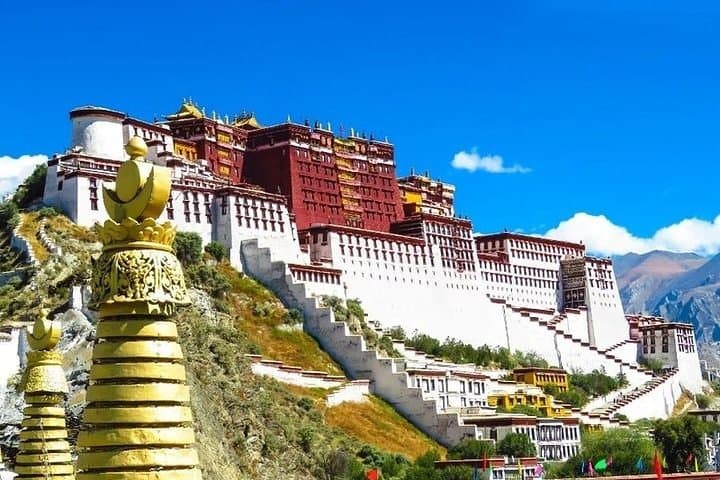
You arrive in Lhasa and the air feels thinner, charged with prayer flags snapping like small, colorful commands. The city sits high on the Tibetan Plateau, terraced against a wide valley; from the street the Potala Palace rises 13 stories above the whitewashed roofs, its red and ochre faces catching late light.
You arrive in Lhasa and the air feels thinner, charged with prayer flags snapping like small, colorful commands. The city sits high on the Tibetan Plateau, terraced against a wide valley; from the street the Potala Palace rises 13 stories above the whitewashed roofs, its red and ochre faces catching late light.
This four-day small-group tour stitches together Lhasa’s core: the Potala Palace complex, Jokhang Temple and the Barkhor pilgrim circuit, plus the scholarly monasteries of Drepung and Sera. Potala’s layered architecture reflects centuries of Tibetan governance and Buddhist devotion; Jokhang houses the revered Jowo statue that drew pilgrims for a millennium. Geologically, Lhasa occupies a fold of the Himalayan uplift — rocky outcrops and dry, high-altitude riverbeds shape the city’s frame, and yaks graze in the surrounding pastures.
Culturally the trip is intimate: you’ll watch monks debate at Sera, see pilgrims prostrate along Barkhor, and hear stories from your Tibetan English-speaking guide about how monasteries shaped social life here.
Practically, the tour is paced for altitude acclimatization — expect scheduled rest, hotel pickup and drop-off, and three breakfasts plus select dinners. Bring layered clothing, sun protection and a slow pace; the highest sights sit around 3,650–3,700 m (12,000–12,140 ft), where simple exertion can feel heavy. Plan arrival logistics according to the operator’s permit and fixed-departure rules; keep your passport and permit details handy. With sensible packing and respect for local customs, this is a focused, accessible introduction to Lhasa’s spiritual heart.