THE ADVENTURE COLLECTIVE® · Independent discovery and booking for outdoor travel

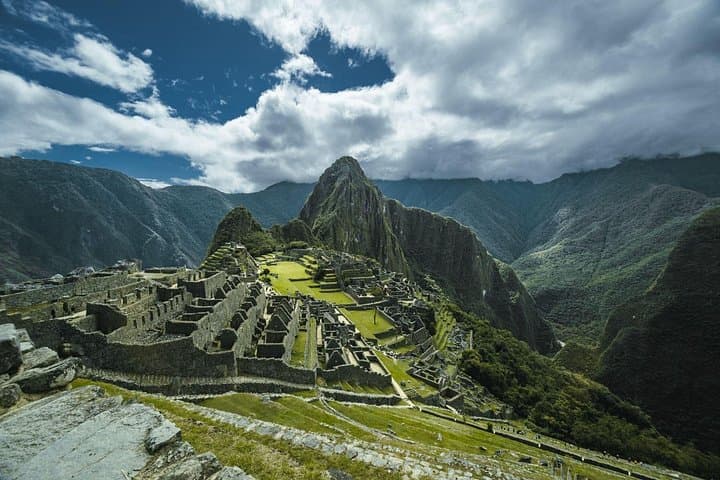
Choose the Lares Trek for a quieter, culture-rich approach to Machu Picchu. This four-day route climbs high passes, visits thermal springs, and passes through living Quechua communities before the final train ride to Aguas Calientes.
Choose the Lares Trek for a quieter, culture-rich approach to Machu Picchu. This four-day route climbs high passes, visits thermal springs, and passes through living Quechua communities before the final train ride to Aguas Calientes.
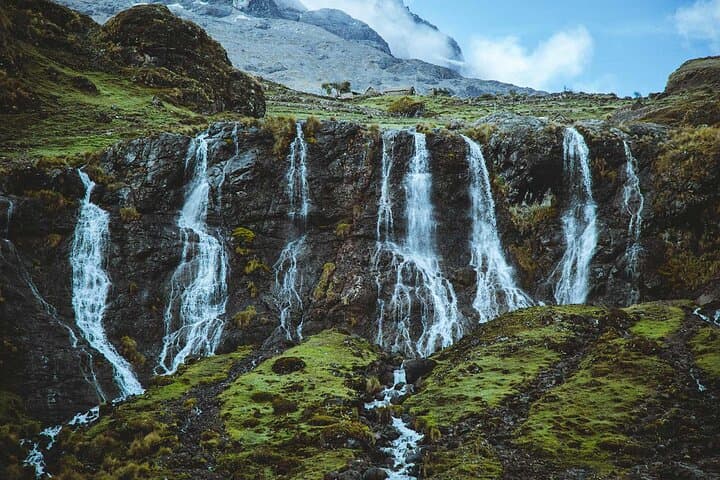
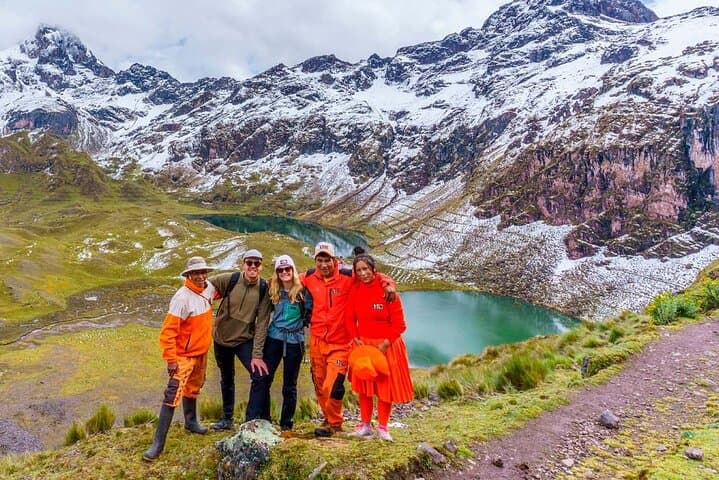
Dawn finds you above the Sacred Valley, wind pulling at your jacket as steam rises from distant terraces and herds of alpacas graze on scrubby slopes. The Lares route moves away from the beaten Inca Trail, trading crowds for high passes, turquoise lagoons, and mornings in small Quechua communities.
Verified experiences and guided adventures in the surrounding area.
Operated by Machupicchu Holiday · Cusco, Cusco Region
Dawn finds you above the Sacred Valley, wind pulling at your jacket as steam rises from distant terraces and herds of alpacas graze on scrubby slopes. The Lares route moves away from the beaten Inca Trail, trading crowds for high passes, turquoise lagoons, and mornings in small Quechua communities.
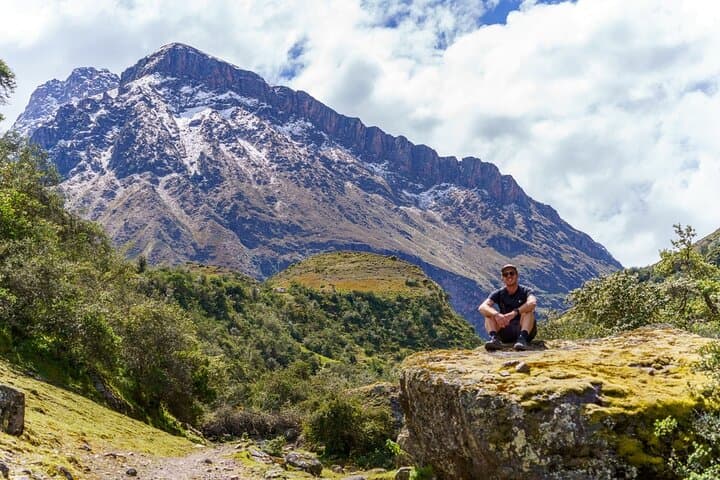
This trek threads through altitudes that define the Andes: Huaran at about 2,840 m, camps above 3,900 m, and the high point at Abra Pachacutec near 4,700 m. Geology here is folded and glaciated—steep granite ridges, moraines, and highland wetlands carve the valleys that sustained pre-Columbian agriculture. Lares villages preserve Quechua customs: woven textiles, communal terraces, and centuries-old potato varieties still tended by families.
Expect four days of mixed terrain—grassland, rocky trail, and muddy farm paths—with daily hikes roughly 6–12 km and significant altitude gain on day two. Nights are two in high-mountain camps and one in a simple Aguas Calientes hostel before an early bus to Machu Picchu on day four. Guides typically provide meals, train tickets, and a bilingual narration of cultural context.
Practical notes: manage altitude—rest, hydrate, and bring layered insulation for sub-zero nights. Footwear should be broken-in, waterproof, and supportive; trekking poles reduce strain on steep descents. Plan for weather swings: clear mornings can turn to wind and rain by afternoon. Logistics are straightforward—train connections from Ollantaytambo and return transfers to Cusco—but carry photocopies of your passport and the Machu Picchu ticket confirmation. The Lares route rewards travelers willing to trade comfort for intimate cultural encounters and sweeping Andean panoramas.
challenging.
4 days.
Good cardiovascular fitness and experience with multi-day hikes at altitude; ability to handle 6–12 km and significant elevation change each day.
Lares is less technical and less crowded than the Inca Trail but involves higher altitude and steep daily climbs, making it physically demanding.
Most operators provide meals and porters or mules for camping gear; confirm the packing allowance and what you must carry yourself.
Yes—Lares hot springs are a common stop on day three, offering mineral baths to relax tired muscles before continuing.
The tour includes bus and train transfers and typically arranges Machu Picchu entrance and a guided visit; verify ticket type and pickup details at booking.
The Lares corridor was a pre-Inca and Inca-era route linking highland communities to the Sacred Valley; terraces and irrigation practices visible today reflect centuries of Andean agriculture.
Visitors should stick to established campsites, pack out waste, and respect local water sources; many communities depend on tourism income but have limited infrastructure.
Machupicchu Holiday operates guided outdoor trips and adventures with an emphasis on safety, stewardship, and memorable experiences.
Dawn finds you above the Sacred Valley, wind pulling at your jacket as steam rises from distant terraces and herds of alpacas graze on scrubby slopes. The Lares route moves away from the beaten Inca Trail, trading crowds for high passes, turquoise lagoons, and mornings in small Quechua communities.
Dawn finds you above the Sacred Valley, wind pulling at your jacket as steam rises from distant terraces and herds of alpacas graze on scrubby slopes. The Lares route moves away from the beaten Inca Trail, trading crowds for high passes, turquoise lagoons, and mornings in small Quechua communities.
This trek threads through altitudes that define the Andes: Huaran at about 2,840 m, camps above 3,900 m, and the high point at Abra Pachacutec near 4,700 m. Geology here is folded and glaciated—steep granite ridges, moraines, and highland wetlands carve the valleys that sustained pre-Columbian agriculture. Lares villages preserve Quechua customs: woven textiles, communal terraces, and centuries-old potato varieties still tended by families.
Expect four days of mixed terrain—grassland, rocky trail, and muddy farm paths—with daily hikes roughly 6–12 km and significant altitude gain on day two. Nights are two in high-mountain camps and one in a simple Aguas Calientes hostel before an early bus to Machu Picchu on day four. Guides typically provide meals, train tickets, and a bilingual narration of cultural context.
Practical notes: manage altitude—rest, hydrate, and bring layered insulation for sub-zero nights. Footwear should be broken-in, waterproof, and supportive; trekking poles reduce strain on steep descents. Plan for weather swings: clear mornings can turn to wind and rain by afternoon. Logistics are straightforward—train connections from Ollantaytambo and return transfers to Cusco—but carry photocopies of your passport and the Machu Picchu ticket confirmation. The Lares route rewards travelers willing to trade comfort for intimate cultural encounters and sweeping Andean panoramas.