THE ADVENTURE COLLECTIVE® · Independent discovery and booking for outdoor travel

Four days of targeted wildlife viewing from Nairobi to Lake Nakuru and the Masai Mara. Expect pop-up-roof game drives across Rift Valley escarpments, flamingo-tinted lakeshores, and wide, predator-rich savannahs.
Four days of targeted wildlife viewing from Nairobi to Lake Nakuru and the Masai Mara. Expect pop-up-roof game drives across Rift Valley escarpments, flamingo-tinted lakeshores, and wide, predator-rich savannahs.
Dust lifts off the road as your 4WD pushes out of Nairobi, the Rift Valley escarpment opening like a page turned. Early light cuts across freshwater Naivasha; hippos snort in shaded shallows and fish eagles wheel above. By midday you’re at Lake Nakuru, where the shoreline sometimes blushes pink with flamingos and black rhino graze among acacia-studded grassland.
Verified experiences and guided adventures in the surrounding area.
Operated by Gracepatt Ecotours Kenya · Nairobi, Nairobi County
Dust lifts off the road as your 4WD pushes out of Nairobi, the Rift Valley escarpment opening like a page turned. Early light cuts across freshwater Naivasha; hippos snort in shaded shallows and fish eagles wheel above. By midday you’re at Lake Nakuru, where the shoreline sometimes blushes pink with flamingos and black rhino graze among acacia-studded grassland.
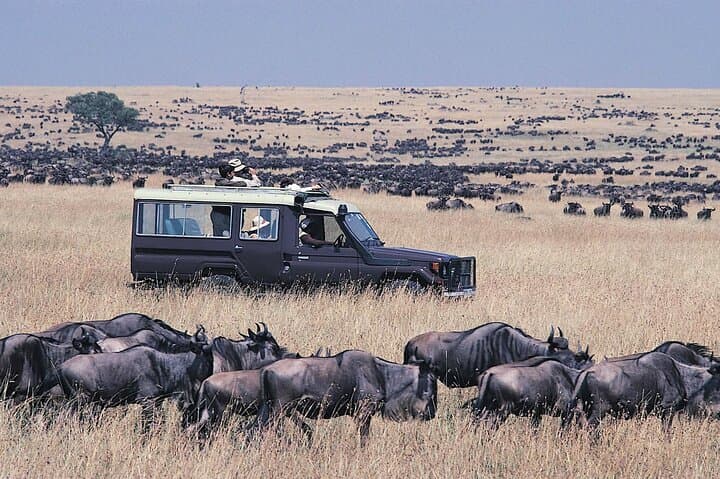
This four-day loop stitches two of Kenya’s iconic ecosystems. Lake Nakuru National Park sits on the floor of the Rift Valley—an alkaline lake framed by volcanic ridges and hot springs—and was protected in the 1960s to preserve its birdlife and rhino population. The Masai Mara is an undulating savannah at roughly 1,500 m elevation, shaped by soils from ancient volcanic flows and grazed for millennia by Maasai pastoralists; its seasonal wildebeest migration (July–October) is one of Africa’s great natural dramas.
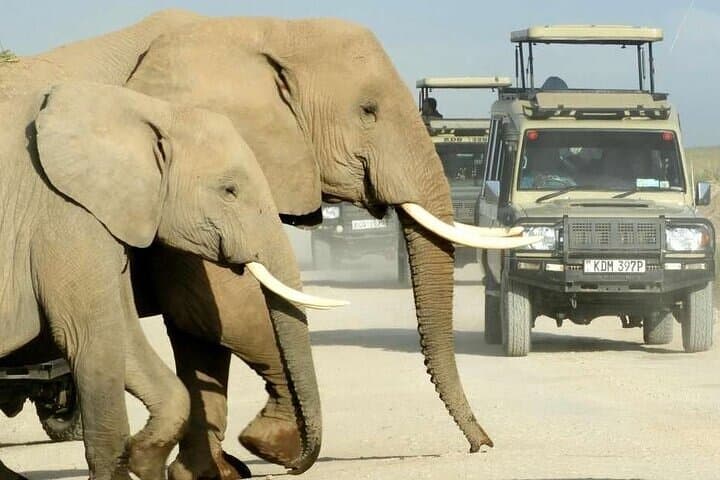
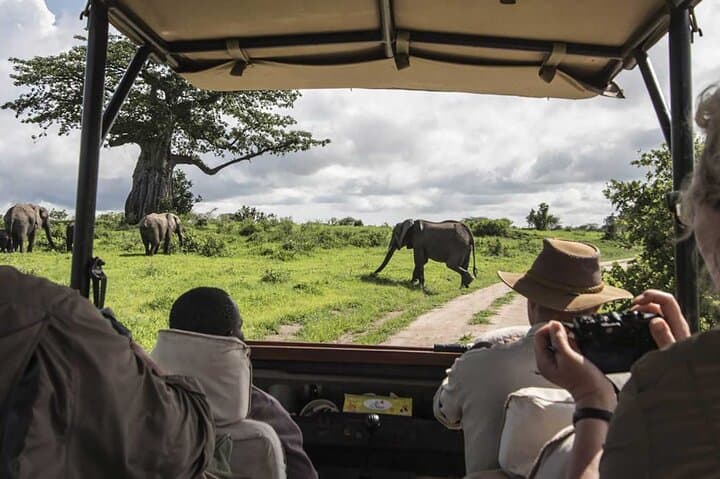
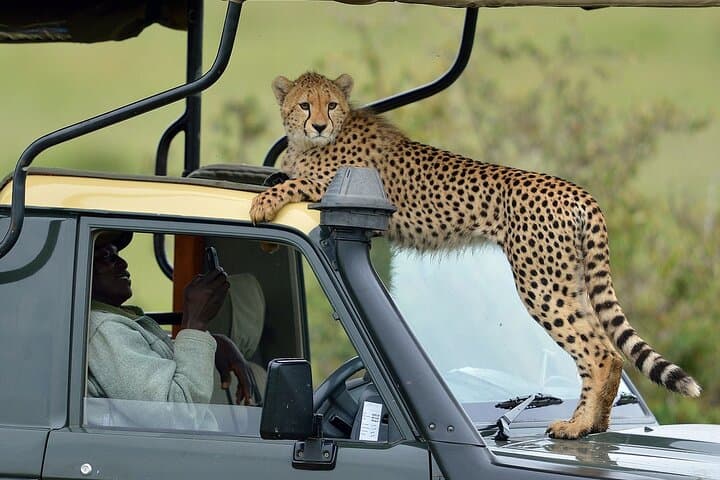
Expect long, rewarding game drives from a pop-up roof jeep: dawn light on lion prides, midday hippos in the Mara River, and late-afternoon herds silhouetted on the plains. Guides read animal behavior like a map and adapt routes to sightings.
Practical notes: drives between parks are 3–5 hours, so pack a small daybag with water, sun protection, and motion-sickness remedies. Morning and evening game drives are cool—bring layers—and camera gear with a 200–400mm zoom will capture distant subjects. Respect park rules, give animals space, and carry spare cash for park fees or community visits. This itinerary balances comfortable lodge stays with full days in the field—ideal for travelers who want concentrated wildlife viewing with minimal fuss.
moderate.
4 days.
Suitable for most travelers who can sit for several hours in a vehicle and manage short walks; not strenuous but expect early mornings and bumpy roads.
Nairobi to Lake Nakuru typically takes about 2.5–3 hours (≈160 km); Nakuru to the Masai Mara is longer—roughly 4–5 hours depending on route and stops.
The tour covers habitats rich in classic species—lions, elephants, buffalo, leopards and rhinos are present—but sightings can’t be guaranteed and depend on timing and wildlife movements.
Parts of the region are malaria risk areas; consult your physician before travel for current recommendations and consider insect protection measures in the field.
The itinerary includes lodge stays (examples: Lake Nakuru Lodge, Mara Sopa Lodge or similar) with breakfast, lunch and most dinners as listed; bottled water is typically provided.
Lake Nakuru was designated a national park in the 1960s to protect its unique birdlife and rhino populations; the Masai Mara bears the Maasai name for the spotted landscape and has long been managed in tandem with local pastoral communities.
Both parks face pressures from habitat change and poaching—support local conservancies and adhere to park rules to reduce impact; many operators contribute to community-based conservation initiatives.
Gracepatt Ecotours Kenya operates guided outdoor trips and adventures with an emphasis on safety, stewardship, and memorable experiences.
Dust lifts off the road as your 4WD pushes out of Nairobi, the Rift Valley escarpment opening like a page turned. Early light cuts across freshwater Naivasha; hippos snort in shaded shallows and fish eagles wheel above. By midday you’re at Lake Nakuru, where the shoreline sometimes blushes pink with flamingos and black rhino graze among acacia-studded grassland.
Dust lifts off the road as your 4WD pushes out of Nairobi, the Rift Valley escarpment opening like a page turned. Early light cuts across freshwater Naivasha; hippos snort in shaded shallows and fish eagles wheel above. By midday you’re at Lake Nakuru, where the shoreline sometimes blushes pink with flamingos and black rhino graze among acacia-studded grassland.
This four-day loop stitches two of Kenya’s iconic ecosystems. Lake Nakuru National Park sits on the floor of the Rift Valley—an alkaline lake framed by volcanic ridges and hot springs—and was protected in the 1960s to preserve its birdlife and rhino population. The Masai Mara is an undulating savannah at roughly 1,500 m elevation, shaped by soils from ancient volcanic flows and grazed for millennia by Maasai pastoralists; its seasonal wildebeest migration (July–October) is one of Africa’s great natural dramas.
Expect long, rewarding game drives from a pop-up roof jeep: dawn light on lion prides, midday hippos in the Mara River, and late-afternoon herds silhouetted on the plains. Guides read animal behavior like a map and adapt routes to sightings.
Practical notes: drives between parks are 3–5 hours, so pack a small daybag with water, sun protection, and motion-sickness remedies. Morning and evening game drives are cool—bring layers—and camera gear with a 200–400mm zoom will capture distant subjects. Respect park rules, give animals space, and carry spare cash for park fees or community visits. This itinerary balances comfortable lodge stays with full days in the field—ideal for travelers who want concentrated wildlife viewing with minimal fuss.