THE ADVENTURE COLLECTIVE® · Independent discovery and booking for outdoor travel

Four days of classic northern Tanzania wildlife: Lake Manyara’s tree-climbing lions, wide-open Serengeti plains, and a full-day descent into Ngorongoro Crater. Expect long drives, early starts, basic camping and high-value game viewing.
Four days of classic northern Tanzania wildlife: Lake Manyara’s tree-climbing lions, wide-open Serengeti plains, and a full-day descent into Ngorongoro Crater. Expect long drives, early starts, basic camping and high-value game viewing.
You step out of an air-conditioned minibus into a dry morning at Lake Manyara; acacia silhouettes puncture the pale sky and a lake wind tugs at your hat. The first day’s game drive moves along the Rift Valley escarpment where tree-climbing lions lounge like weathered ornaments and flamingos flare at the water’s edge.
Verified experiences and guided adventures in the surrounding area.
Operated by Maasai mara safaris tours and travel · Arusha, Arusha Region
You step out of an air-conditioned minibus into a dry morning at Lake Manyara; acacia silhouettes puncture the pale sky and a lake wind tugs at your hat. The first day’s game drive moves along the Rift Valley escarpment where tree-climbing lions lounge like weathered ornaments and flamingos flare at the water’s edge.
The route reads like a primer on northern Tanzania’s geology and culture: the Great Rift Wall drops away at Lake Manyara, volcanic highlands feed the Serengeti’s nutrient-rich plains, and the Ngorongoro Crater—a collapsed volcanic caldera roughly 20 km across and 600 m deep—holds a self-contained ecosystem. Maasai pastoralists still graze cattle on the crater rim; their presence is part of the conservation landscape as much as fences are not.
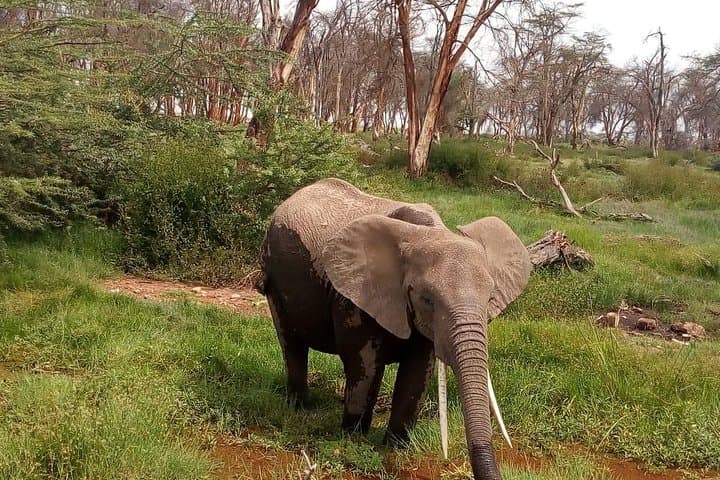
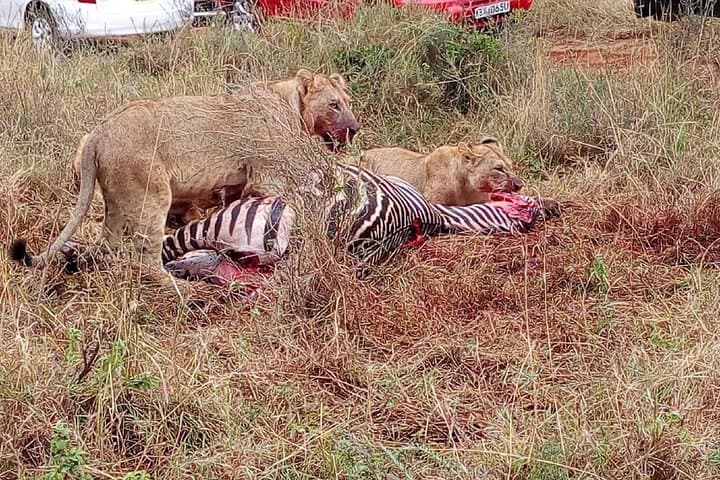
Days two and three are open savanna—Serengeti game drives targeting predators and the plains’ migratory pulse—before a dawn descent into Ngorongoro on day four for crater-floor viewing and a picnic lunch. Wildlife encounters vary by season: calving and predators in the wet months, dense resident herds during the short rains.
Practical edge: expect long drives between parks (Arusha to Manyara ~2–3 hours; Manyara to Serengeti via Naabi Gate ~4–5 hours) and early starts. Campsites are basic—bring layers for cold mornings, a warm sleeping bag if winter months, sun protection and reliable binoculars. Cameras with fast autofocus and extra batteries are worth packing.
Respect park rules: stay in the vehicle, keep distance from wildlife, and carry cash or cards only as advised for incidental purchases. The itinerary is compact but delivers classic northern Tanzania—wild, accessible, and rooted in volcanic geology and Maasai culture.
easy.
4 days.
Suitable for travelers in average physical condition; most activity is vehicle-based with short walks at campsites.
The tour lists national park fees and camping fees in the inclusions, but confirm at booking to avoid surprises.
Expect 2–5 hour transfers: Arusha to Lake Manyara ~2–3 hours; Manyara to Serengeti via Naabi Gate ~4–5 hours; Serengeti to Ngorongoro ~3–4 hours depending on route.
The itinerary uses campsites with basic facilities—shared tents and simple camp amenities are standard; confirm whether sleeping gear is provided.
Infants must sit on an adult’s lap during transfers; the tour is family-friendly but consider long drives and wildlife safety for very young children.
Ngorongoro formed from a massive volcanic collapse millions of years ago; the crater’s fertile floor has supported human and wildlife populations for millennia.
The area combines national park and conservation zones managed to balance tourism, Maasai grazing rights and anti-poaching efforts; visitors should minimize waste and follow park rules.
Maasai mara safaris tours and travel operates guided outdoor trips and adventures with an emphasis on safety, stewardship, and memorable experiences.

You step out of an air-conditioned minibus into a dry morning at Lake Manyara; acacia silhouettes puncture the pale sky and a lake wind tugs at your hat. The first day’s game drive moves along the Rift Valley escarpment where tree-climbing lions lounge like weathered ornaments and flamingos flare at the water’s edge.
You step out of an air-conditioned minibus into a dry morning at Lake Manyara; acacia silhouettes puncture the pale sky and a lake wind tugs at your hat. The first day’s game drive moves along the Rift Valley escarpment where tree-climbing lions lounge like weathered ornaments and flamingos flare at the water’s edge.
The route reads like a primer on northern Tanzania’s geology and culture: the Great Rift Wall drops away at Lake Manyara, volcanic highlands feed the Serengeti’s nutrient-rich plains, and the Ngorongoro Crater—a collapsed volcanic caldera roughly 20 km across and 600 m deep—holds a self-contained ecosystem. Maasai pastoralists still graze cattle on the crater rim; their presence is part of the conservation landscape as much as fences are not.
Days two and three are open savanna—Serengeti game drives targeting predators and the plains’ migratory pulse—before a dawn descent into Ngorongoro on day four for crater-floor viewing and a picnic lunch. Wildlife encounters vary by season: calving and predators in the wet months, dense resident herds during the short rains.
Practical edge: expect long drives between parks (Arusha to Manyara ~2–3 hours; Manyara to Serengeti via Naabi Gate ~4–5 hours) and early starts. Campsites are basic—bring layers for cold mornings, a warm sleeping bag if winter months, sun protection and reliable binoculars. Cameras with fast autofocus and extra batteries are worth packing.
Respect park rules: stay in the vehicle, keep distance from wildlife, and carry cash or cards only as advised for incidental purchases. The itinerary is compact but delivers classic northern Tanzania—wild, accessible, and rooted in volcanic geology and Maasai culture.