THE ADVENTURE COLLECTIVE® · Independent discovery and booking for outdoor travel

Four days across Lake Manyara, Ngorongoro Crater and Tarangire delivers concentrated East African wildlife viewing, dramatic geology, and nights under canvas. Expect early starts, long drives on dirt roads, and close encounters with elephants, flamingos and tree‑climbing lions.
Four days across Lake Manyara, Ngorongoro Crater and Tarangire delivers concentrated East African wildlife viewing, dramatic geology, and nights under canvas. Expect early starts, long drives on dirt roads, and close encounters with elephants, flamingos and tree‑climbing lions.
You arrive before dawn; headlights cut across acacia shadows and the air tastes like dust and coffee. As the Land Cruiser rolls toward Lake Manyara the soda lake dares you with bands of flamingos, and the woodlands awake with the chatter of baboons. By afternoon the crater rim drops away like a green amphitheater, and the Ngorongoro floor hums with grazing herds.
Verified experiences and guided adventures in the surrounding area.
Operated by dennsland trekk tours · Arusha, Arusha Region
You arrive before dawn; headlights cut across acacia shadows and the air tastes like dust and coffee. As the Land Cruiser rolls toward Lake Manyara the soda lake dares you with bands of flamingos, and the woodlands awake with the chatter of baboons. By afternoon the crater rim drops away like a green amphitheater, and the Ngorongoro floor hums with grazing herds.
This route threads three geological stories: Lake Manyara’s shallow soda basin, Tarangire’s ancient riverine corridor, and Ngorongoro’s 600m-deep volcanic caldera carved by a collapsed volcano. For millennia Maasai pastoralists shaped these plains; their seasonal cattle movements still meet wildlife along watering holes. Cultural stops in Arusha and market detours en route reveal Makonde carving and local coffee rituals.
Practically, expect long drives on graded and dirt roads, early starts for game viewing, and nights in basic camps or lodges. Vehicles are equipped for photography; bring fast lenses and a tripod with a beanbag. Wildlife density is highest in the dry months when elephants concentrate at Tarangire’s river, while Ngorongoro’s permanent grasses support resident predators year-round.
Plan for dusty roads, strong equatorial sun, and variable afternoon showers. Hydrate and layer: mornings on the crater rim are cool, midday in the park is hot. Follow ranger guidance—do not leave the vehicle—and keep a respectful distance from wildlife. Simple preparation turns a good safari into an unforgettable one.
moderate.
4 days.
Suitable for travelers in average fitness who can handle long vehicle days and short walks at camps; not physically demanding.
Consult your doctor before travel; malaria prophylaxis is commonly recommended for northern Tanzania and routine vaccinations should be up to date.
This itinerary includes park entry for Ngorongoro and Tarangire; confirm with the operator for Lake Manyara and any recent fee changes.
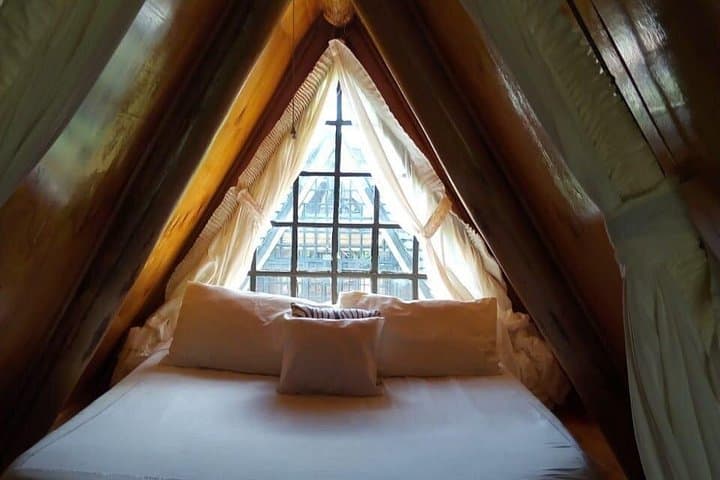
Accommodation alternates between basic campsites and simple lodges—expect communal facilities at some sites and tent or lodge sleeping arrangements.
Children may join but must sit on laps if infants; check age restrictions and safety recommendations with the operator before booking.
The Ngorongoro area has been occupied for millennia; the crater and surrounding highlands preserve both early human archaeological sites and Maasai pastoral heritage.
Park authorities and local conservancies work to balance tourism and pastoralism; stick to vehicle tracks, avoid driving off-road, and follow ranger advice to limit disturbance.
dennsland trekk tours operates guided outdoor trips and adventures with an emphasis on safety, stewardship, and memorable experiences.
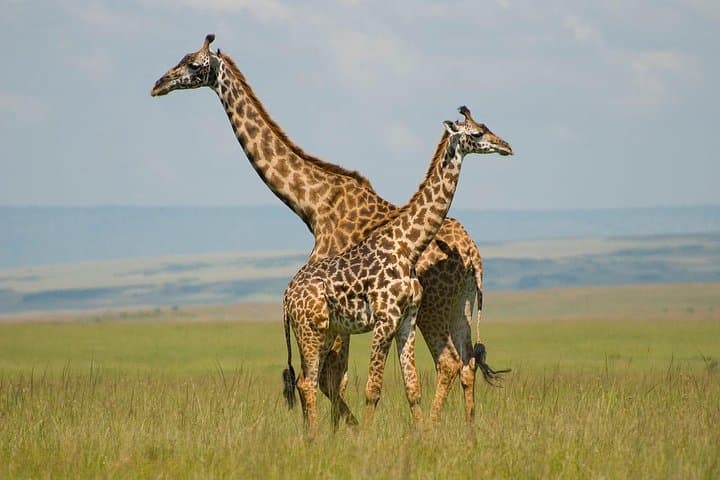
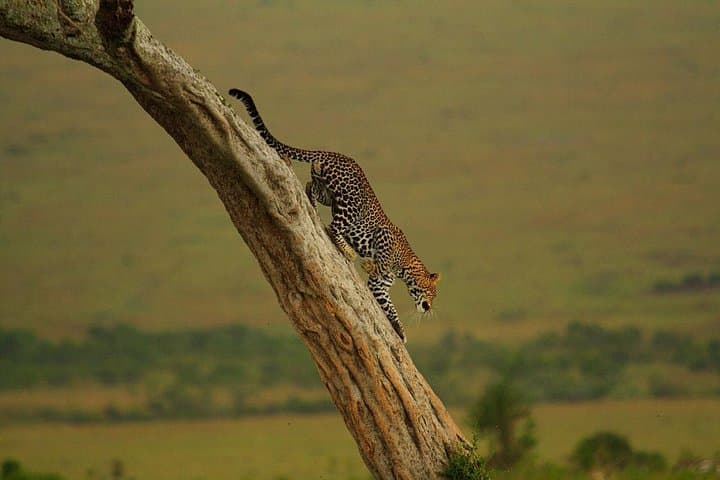
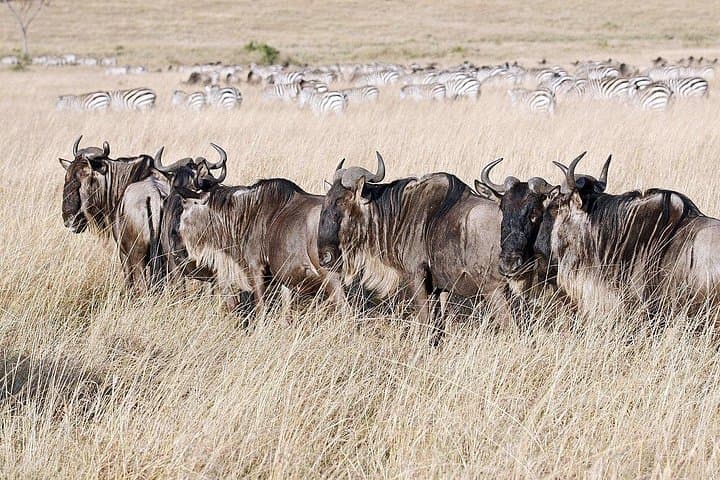
You arrive before dawn; headlights cut across acacia shadows and the air tastes like dust and coffee. As the Land Cruiser rolls toward Lake Manyara the soda lake dares you with bands of flamingos, and the woodlands awake with the chatter of baboons. By afternoon the crater rim drops away like a green amphitheater, and the Ngorongoro floor hums with grazing herds.
You arrive before dawn; headlights cut across acacia shadows and the air tastes like dust and coffee. As the Land Cruiser rolls toward Lake Manyara the soda lake dares you with bands of flamingos, and the woodlands awake with the chatter of baboons. By afternoon the crater rim drops away like a green amphitheater, and the Ngorongoro floor hums with grazing herds.
This route threads three geological stories: Lake Manyara’s shallow soda basin, Tarangire’s ancient riverine corridor, and Ngorongoro’s 600m-deep volcanic caldera carved by a collapsed volcano. For millennia Maasai pastoralists shaped these plains; their seasonal cattle movements still meet wildlife along watering holes. Cultural stops in Arusha and market detours en route reveal Makonde carving and local coffee rituals.
Practically, expect long drives on graded and dirt roads, early starts for game viewing, and nights in basic camps or lodges. Vehicles are equipped for photography; bring fast lenses and a tripod with a beanbag. Wildlife density is highest in the dry months when elephants concentrate at Tarangire’s river, while Ngorongoro’s permanent grasses support resident predators year-round.
Plan for dusty roads, strong equatorial sun, and variable afternoon showers. Hydrate and layer: mornings on the crater rim are cool, midday in the park is hot. Follow ranger guidance—do not leave the vehicle—and keep a respectful distance from wildlife. Simple preparation turns a good safari into an unforgettable one.