THE ADVENTURE COLLECTIVE® · Independent discovery and booking for outdoor travel

Four days take you from Johannesburg through the panorama-scrawled escarpment into Kruger National Park for open-vehicle game drives and waterfall viewpoints. Expect early starts, rich wildlife encounters with the Big Five, and stark geological scenes along the Panorama Route.
Four days take you from Johannesburg through the panorama-scrawled escarpment into Kruger National Park for open-vehicle game drives and waterfall viewpoints. Expect early starts, rich wildlife encounters with the Big Five, and stark geological scenes along the Panorama Route.
You arrive before dawn, the road east from Johannesburg unspooling into low hills and eucalyptus-scented air. By the time the sun tips the horizon the Blyde River Canyon opens like a carved wound in the landscape — sheer cliffs, stacked strata and waterfalls that throw spray into cool pockets of mist. The next days belong to Kruger: open-vehicle drives that move through mopane woodland and riverine forest, where elephant herds nudge at the waterline and lions fold into tall grass, watching the road.
Verified experiences and guided adventures in the surrounding area.
Operated by Virgio Tours · Hazyview, Mpumalanga
You arrive before dawn, the road east from Johannesburg unspooling into low hills and eucalyptus-scented air. By the time the sun tips the horizon the Blyde River Canyon opens like a carved wound in the landscape — sheer cliffs, stacked strata and waterfalls that throw spray into cool pockets of mist. The next days belong to Kruger: open-vehicle drives that move through mopane woodland and riverine forest, where elephant herds nudge at the waterline and lions fold into tall grass, watching the road.
The Panorama Route you cross on day one exposes Mpumalanga’s geology — quartzite ridges, dolomite cliffs and pothole hollows ground by millennia of water at Bourke’s Luck. Kruger itself has a conservation history stretching back to the late 19th century when the area was set aside for wildlife protection; today it supports complex predator–prey dynamics and diverse birdlife from eagles to storks.
Culturally, the region sits on the edge of Swazi and Tsonga communities; small towns like Hazyview offer market crafts and local cuisine between drives. Expect waking birdsong, dusty roads, and the sudden hush before a sighting: nature actively testing your attention.
Practical guidance: pack binoculars, sun protection and a lightweight waterproof — summer is hot and storm-prone while winter is cool and dry with better visibility for wildlife. Morning and late-afternoon drives are wildlife prime time; mid-day is for lodges, shade and reviewing photos. Bring cash for park fees and tips, charge batteries each evening, and follow guides’ safety briefings — animals set the rules here.
easy.
4 days.
Suitable for most fitness levels; mobility-friendly but expect vehicle-based game drives and short walks at viewpoints.
Some areas around Kruger are malaria-risk; consult a travel health clinic for up-to-date advice and consider prophylaxis, especially in the wet season.
Park admission can be included depending on the operator—confirm at booking; carry cash or card for any additional local fees or tips.
Kruger has all Big Five species but sightings depend on luck, season and area—multiple game drives increase your chances.
The itinerary is family-friendly and wheelchair-accessible in transport and many areas, but check specifics with the operator about vehicle access and child policies.
Kruger was established in the late 19th and early 20th centuries to protect declining wildlife populations; it later became South Africa’s flagship national park.
Anti-poaching efforts and community-based conservation are central here—visitors can support local guides and lodges that invest in anti-poaching and habitat programs.
Virgio Tours operates guided outdoor trips and adventures with an emphasis on safety, stewardship, and memorable experiences.
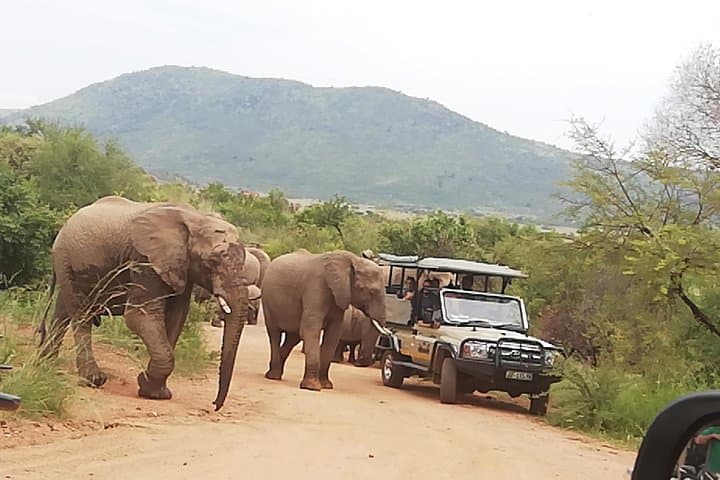
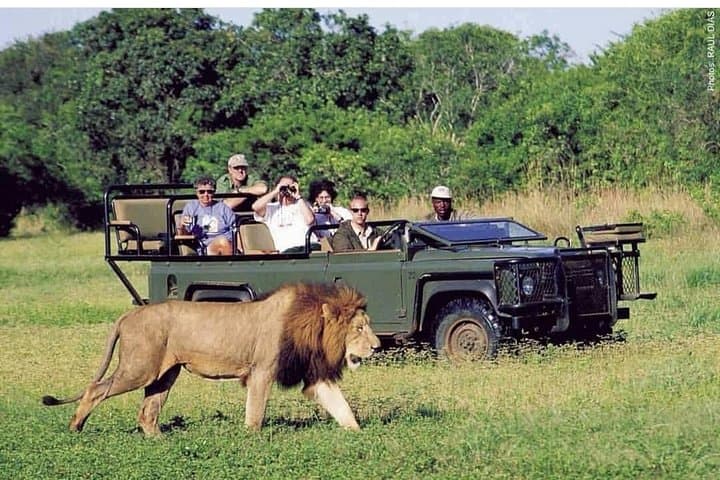
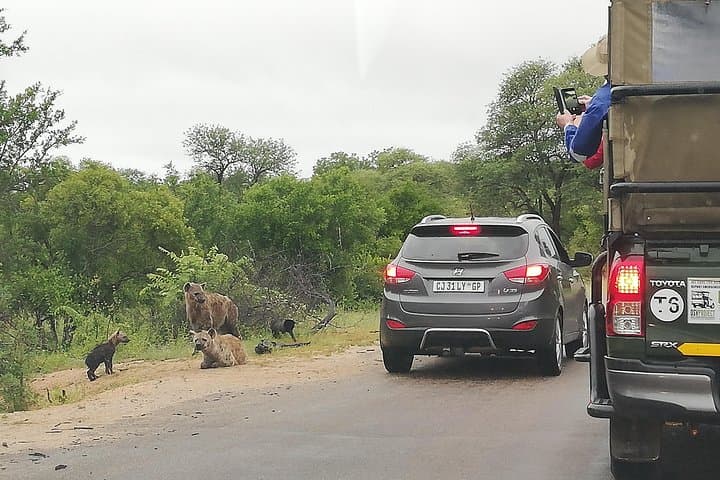
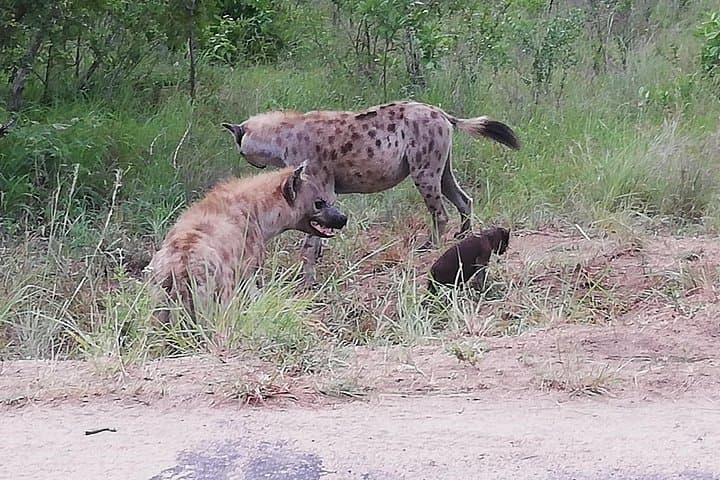
You arrive before dawn, the road east from Johannesburg unspooling into low hills and eucalyptus-scented air. By the time the sun tips the horizon the Blyde River Canyon opens like a carved wound in the landscape — sheer cliffs, stacked strata and waterfalls that throw spray into cool pockets of mist. The next days belong to Kruger: open-vehicle drives that move through mopane woodland and riverine forest, where elephant herds nudge at the waterline and lions fold into tall grass, watching the road.
You arrive before dawn, the road east from Johannesburg unspooling into low hills and eucalyptus-scented air. By the time the sun tips the horizon the Blyde River Canyon opens like a carved wound in the landscape — sheer cliffs, stacked strata and waterfalls that throw spray into cool pockets of mist. The next days belong to Kruger: open-vehicle drives that move through mopane woodland and riverine forest, where elephant herds nudge at the waterline and lions fold into tall grass, watching the road.
The Panorama Route you cross on day one exposes Mpumalanga’s geology — quartzite ridges, dolomite cliffs and pothole hollows ground by millennia of water at Bourke’s Luck. Kruger itself has a conservation history stretching back to the late 19th century when the area was set aside for wildlife protection; today it supports complex predator–prey dynamics and diverse birdlife from eagles to storks.
Culturally, the region sits on the edge of Swazi and Tsonga communities; small towns like Hazyview offer market crafts and local cuisine between drives. Expect waking birdsong, dusty roads, and the sudden hush before a sighting: nature actively testing your attention.
Practical guidance: pack binoculars, sun protection and a lightweight waterproof — summer is hot and storm-prone while winter is cool and dry with better visibility for wildlife. Morning and late-afternoon drives are wildlife prime time; mid-day is for lodges, shade and reviewing photos. Bring cash for park fees and tips, charge batteries each evening, and follow guides’ safety briefings — animals set the rules here.