THE ADVENTURE COLLECTIVE® · Independent discovery and booking for outdoor travel

Spend four days in Kruger’s Skukuza sector with sunrise and sunset game drives, optional Panorama Route stops, and evenings at camp. This compact safari pairs close-range wildlife viewing with short drives from Johannesburg for travelers on a tight schedule.
Spend four days in Kruger’s Skukuza sector with sunrise and sunset game drives, optional Panorama Route stops, and evenings at camp. This compact safari pairs close-range wildlife viewing with short drives from Johannesburg for travelers on a tight schedule.
The sun sifts through fever trees as the open-sided 4x4 noses across the Lowveld—shadows of impala pulse between mopane thickets and a distant elephant trunk lifts to investigate the scent of dust.
Verified experiences and guided adventures in the surrounding area.
Operated by Bamba Travel · Skukuza, Mpumalanga
The sun sifts through fever trees as the open-sided 4x4 noses across the Lowveld—shadows of impala pulse between mopane thickets and a distant elephant trunk lifts to investigate the scent of dust.
Kruger National Park, established in 1898 by President Paul Kruger, is one of Africa’s oldest and largest reserves, carved across granite outcrops, basalt ridges and broad riverine plains. Elevations in the Skukuza area sit roughly 200–600 m above sea level; soils and drainage shape permanent watering holes that dictate animal movement, especially in the dry months.
Local culture around Kruger blends Tsonga and Swazi traditions with safari camp hospitality; small towns like Hazyview grew as service hubs for visitors. The nearby Panorama Route adds geology and dramatic viewpoints—Blyde River Canyon and Bourke’s Luck Potholes contrast with the park’s flat savanna and make for a full-sensory itinerary.
Practically: expect 5–6 hours of road transfer from Johannesburg, three nights in chalets/huts or camping, and daily game drives—3–4 hours in the morning and a similar afternoon session, plus a sunset nocturnal drive. Vehicles are elevated, open-sided for photography and viewing; guides interpret tracks, calls and behavior.
Bring neutral, layered clothing, insect repellent and a good pair of binoculars; mornings are cool and wildlife is most active at first light. Hydrate and protect your skin—the Lowveld sun is direct. Respect park rules: stay in the vehicle during drives, keep noise low and never approach or feed animals.
This four-day circuit balances intense wildlife viewing with downtime at camp and an optional Panorama Route day for geological and cultural contrast—ideal for first-time safari-goers who want concentrated sightings and accessible logistical planning.
moderate.
4 days.
Suitable for average fitness; long vehicle hours with short walks. Expect early starts and occasional uneven camp terrain.
Dry season (May–September) concentrates animals around water, improving sightings; early mornings and late afternoons are best any time of year.
Children under 6 are typically not allowed on sunset nocturnal drives; policies vary by operator—confirm age rules before booking.
Routine vaccinations are advised; depending on travel history and season, some visitors take antimalarial medication—consult a travel clinic pre-trip.
Most activity is vehicle-based with optional short guided walks; basic mobility is sufficient, but expect uneven surfaces around camps.
Kruger was created in the late 19th century and expanded into a national park in 1926; it preserves ecosystems long used by local communities for grazing and trade.
Kruger is a focal point for anti-poaching efforts and community-based conservation; visitors reduce impact by following park rules, avoiding single-use plastics and supporting local guides.
Bamba Travel operates guided outdoor trips and adventures with an emphasis on safety, stewardship, and memorable experiences.
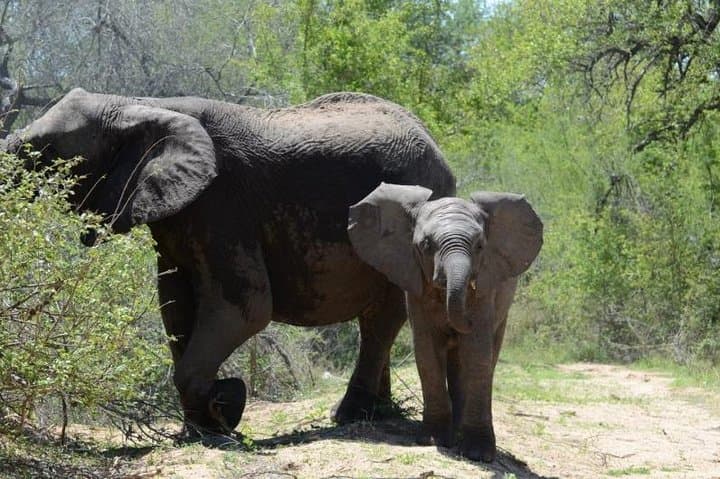
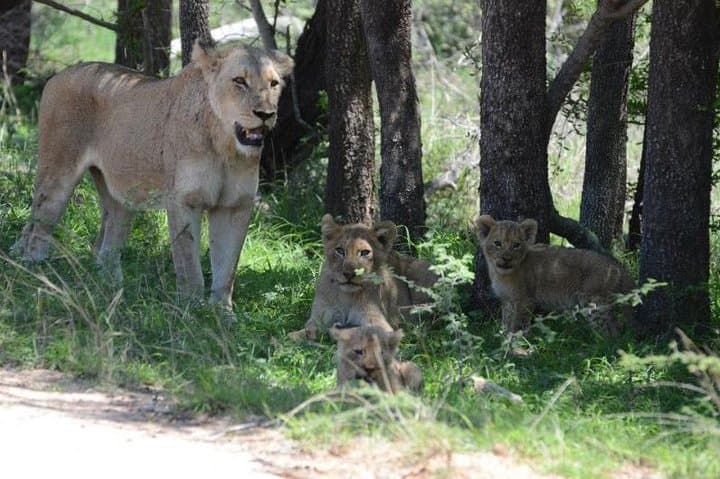
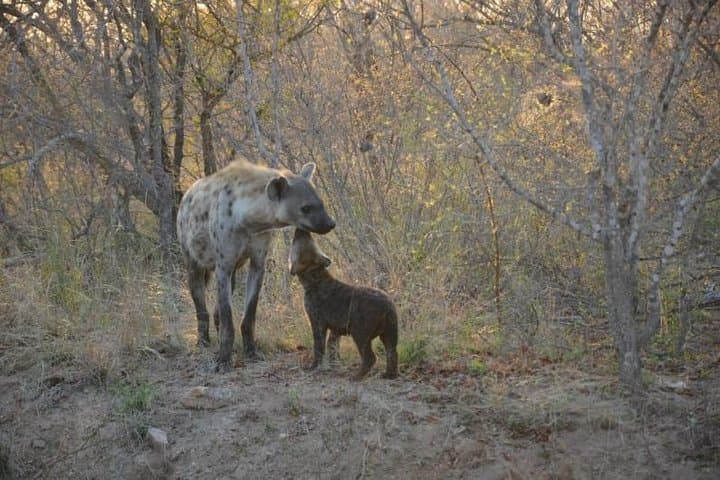
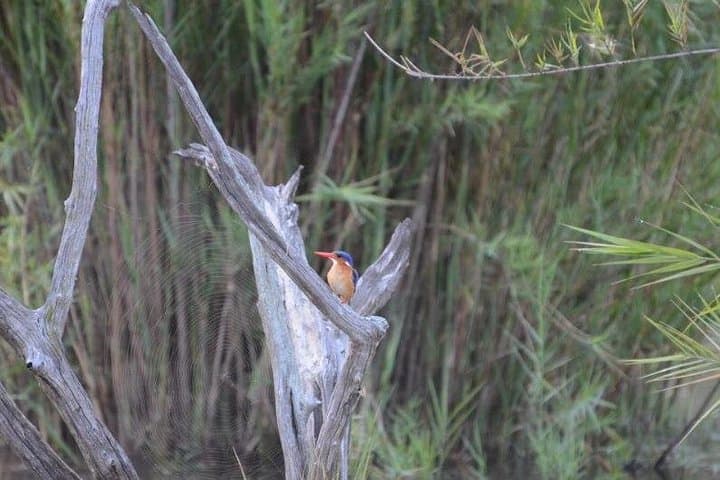
The sun sifts through fever trees as the open-sided 4x4 noses across the Lowveld—shadows of impala pulse between mopane thickets and a distant elephant trunk lifts to investigate the scent of dust.
The sun sifts through fever trees as the open-sided 4x4 noses across the Lowveld—shadows of impala pulse between mopane thickets and a distant elephant trunk lifts to investigate the scent of dust.
Kruger National Park, established in 1898 by President Paul Kruger, is one of Africa’s oldest and largest reserves, carved across granite outcrops, basalt ridges and broad riverine plains. Elevations in the Skukuza area sit roughly 200–600 m above sea level; soils and drainage shape permanent watering holes that dictate animal movement, especially in the dry months.
Local culture around Kruger blends Tsonga and Swazi traditions with safari camp hospitality; small towns like Hazyview grew as service hubs for visitors. The nearby Panorama Route adds geology and dramatic viewpoints—Blyde River Canyon and Bourke’s Luck Potholes contrast with the park’s flat savanna and make for a full-sensory itinerary.
Practically: expect 5–6 hours of road transfer from Johannesburg, three nights in chalets/huts or camping, and daily game drives—3–4 hours in the morning and a similar afternoon session, plus a sunset nocturnal drive. Vehicles are elevated, open-sided for photography and viewing; guides interpret tracks, calls and behavior.
Bring neutral, layered clothing, insect repellent and a good pair of binoculars; mornings are cool and wildlife is most active at first light. Hydrate and protect your skin—the Lowveld sun is direct. Respect park rules: stay in the vehicle during drives, keep noise low and never approach or feed animals.
This four-day circuit balances intense wildlife viewing with downtime at camp and an optional Panorama Route day for geological and cultural contrast—ideal for first-time safari-goers who want concentrated sightings and accessible logistical planning.