
4-Day Kruger National Park Safari from Johannesburg — Big Five & Panorama Route
Travel from Johannesburg along the dramatic Panorama Route to Kruger National Park for four days of open-vehicle game drives, bush walks and lodge nights. Spot the Big Five, learn tracking skills from experienced guides and unwind at a private bush camp.
An Adventure In Hazyview.
Travel from Johannesburg along the dramatic Panorama Route to Kruger National Park for four days of open-vehicle game drives, bush walks and lodge nights. Spot the Big Five, learn tracking skills from experienced guides and unwind at a private bush camp.
Read the full experience
Dawn breaks over layered hills as your vehicle slips from Johannesburg onto the long, open road toward Kruger. The air shifts from city exhaust to a dry, warm scent of grass and earth; mopane and marula trees lean toward the skyline while distant termite mounds punctuate the plain. By afternoon you’ll be standing at God’s Window, looking down into the Blyde River Canyon, then sliding into a private bush lodge where night sounds replace traffic.
Dawn breaks over layered hills as your vehicle slips from Johannesburg onto the long, open road toward Kruger. The air shifts from city exhaust to a dry, warm scent of grass and earth; mopane and marula trees lean toward the skyline while distant termite mounds punctuate the plain. By afternoon you’ll be standing at God’s Window, looking down into the Blyde River Canyon, then sliding into a private bush lodge where night sounds replace traffic.
Kruger National Park is one of Africa’s largest protected areas, carved from varied geology — granite outcrops give way to sandstone ridges and riverine lowlands that feed hippo pools and croton-lined pans. This landscape has supported human cultures for millennia; Tsonga and Shangaan communities still maintain ties to the land and local crafts appear at rest camps. Colonial-era conservation debates shaped Kruger into a modern park focused on both species protection and community benefits.
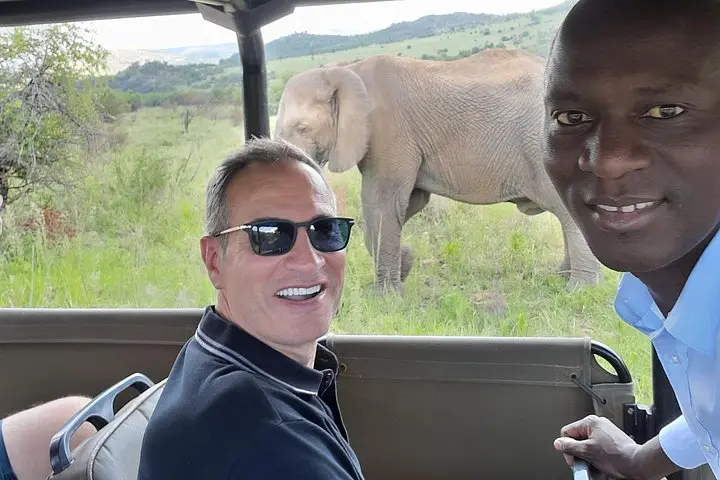
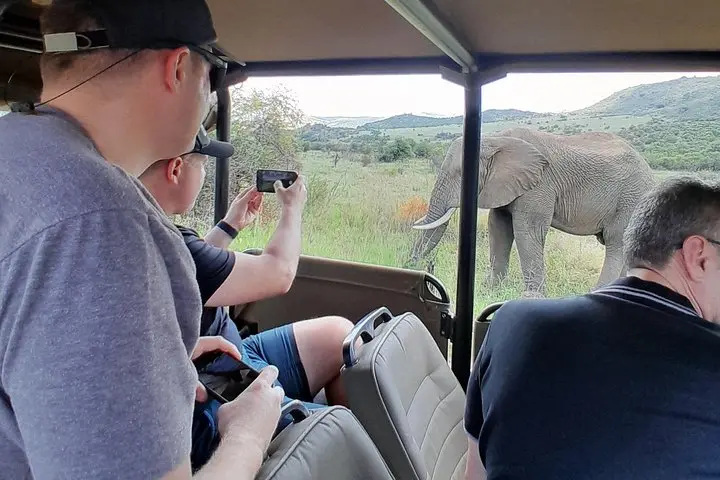
Expect structured game drives at dawn and dusk when predators and grazers are most active, interspersed with walks that teach tracking and animal behavior. Terrain ranges from flat savanna to rocky koppies; roads can be corrugated, and sightings depend on season and water sources. Guides read spoor and bird calls the way a navigator reads a map.
Practical guidance: pack neutral clothing, a wide-brim hat, binoculars, and a camera with a telephoto lens. Hydrate before early starts and carry sunscreen; insect repellent is essential in warmer months. Respect viewing distances, follow your guide’s instructions, and enjoy the slow rhythm of the African bush — it will make the wildlife encounters that follow feel earned.
Frequently asked questions
Kruger offers strong chances for the Big Five, especially on multi-day safaris with experienced guides; sightings can’t be guaranteed but multiple drives and varied habitats increase probability.
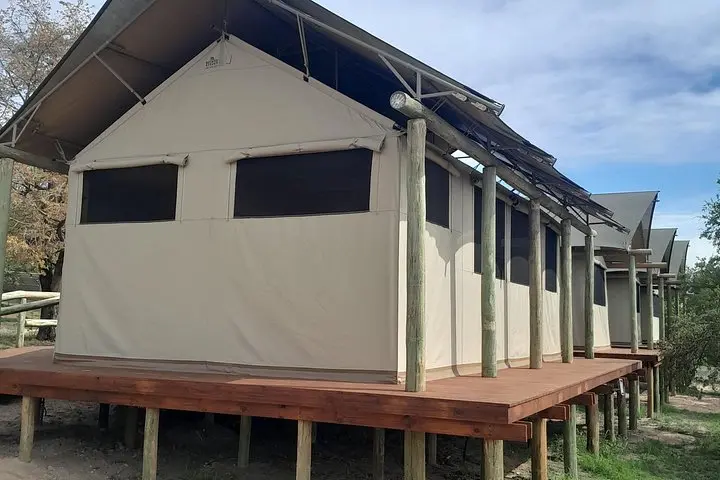
Lodges like the private bush camp in this tour offer basic to comfortable rooms with en-suite facilities, communal dining and deck views—expect rustic luxury rather than urban amenities.
The itinerary notes accessibility and suitability for most fitness levels; confirm specifics with the operator about vehicle access and length of walks for children or mobility needs.
Tipping is customary; typical ranges are $10–20 per guest per day for guides and smaller amounts for lodge staff—use local currency where possible.
About This Experience
Thiya Tours and Safaris operates guided outdoor trips and adventures with an emphasis on safety, stewardship, and memorable experiences.
Adventure tips
Recommended gear
- Binoculars (8–10x): Essential for picking out animals in the long grass and for birding.
- Neutral, layered clothing: Layers handle cold mornings and hot afternoons while muted colors reduce disturbance to wildlife.
- Travel-size sunscreen & insect repellent: Protects skin during midday sun and reduces insect bites during warmer months.
- Telephoto camera lens (200–400mm): Helps capture close-up wildlife shots from the safety of the vehicle.
Photos of the experience
Related adventures & guides
Read the full experience
Dawn breaks over layered hills as your vehicle slips from Johannesburg onto the long, open road toward Kruger. The air shifts from city exhaust to a dry, warm scent of grass and earth; mopane and marula trees lean toward the skyline while distant termite mounds punctuate the plain. By afternoon you’ll be standing at God’s Window, looking down into the Blyde River Canyon, then sliding into a private bush lodge where night sounds replace traffic.
Dawn breaks over layered hills as your vehicle slips from Johannesburg onto the long, open road toward Kruger. The air shifts from city exhaust to a dry, warm scent of grass and earth; mopane and marula trees lean toward the skyline while distant termite mounds punctuate the plain. By afternoon you’ll be standing at God’s Window, looking down into the Blyde River Canyon, then sliding into a private bush lodge where night sounds replace traffic.
Kruger National Park is one of Africa’s largest protected areas, carved from varied geology — granite outcrops give way to sandstone ridges and riverine lowlands that feed hippo pools and croton-lined pans. This landscape has supported human cultures for millennia; Tsonga and Shangaan communities still maintain ties to the land and local crafts appear at rest camps. Colonial-era conservation debates shaped Kruger into a modern park focused on both species protection and community benefits.
Expect structured game drives at dawn and dusk when predators and grazers are most active, interspersed with walks that teach tracking and animal behavior. Terrain ranges from flat savanna to rocky koppies; roads can be corrugated, and sightings depend on season and water sources. Guides read spoor and bird calls the way a navigator reads a map.
Practical guidance: pack neutral clothing, a wide-brim hat, binoculars, and a camera with a telephoto lens. Hydrate before early starts and carry sunscreen; insect repellent is essential in warmer months. Respect viewing distances, follow your guide’s instructions, and enjoy the slow rhythm of the African bush — it will make the wildlife encounters that follow feel earned.
Make a day of it nearby.
Verified experiences and guided adventures in the surrounding area.