THE ADVENTURE COLLECTIVE® · Independent discovery and booking for outdoor travel

Four days of sunrise and sunset safaris in Kruger National Park paired with the dramatic cliffs and waterfalls of Mpumalanga’s Panorama Route. Expect Big Five game drives, God’s Window vistas, Bourke’s Luck Potholes and Lisbon Falls—all with expert guiding and lodge stays.
Four days of sunrise and sunset safaris in Kruger National Park paired with the dramatic cliffs and waterfalls of Mpumalanga’s Panorama Route. Expect Big Five game drives, God’s Window vistas, Bourke’s Luck Potholes and Lisbon Falls—all with expert guiding and lodge stays.
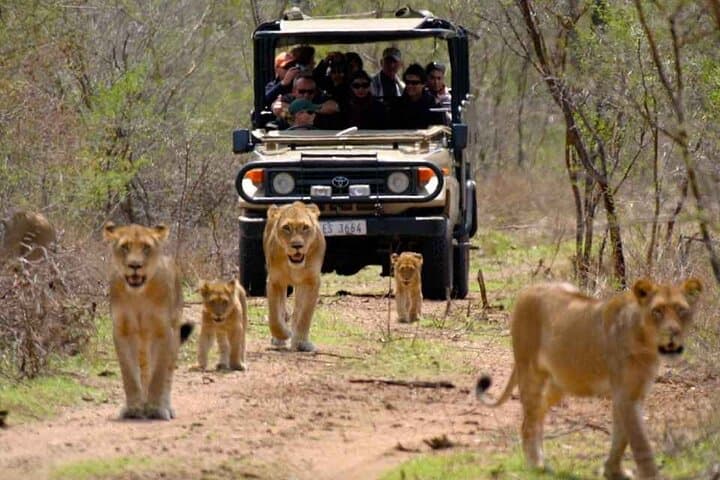
The first glow of dawn slices across the Lowveld as the convoy eases away from Johannesburg. By late afternoon the light has warmed to gold and, from an open safari vehicle, a tower of elephants silhouettes against the scrub—majestic, deliberate, impossible to ignore. That first sunset drive into Kruger National Park sets the tone: close, quiet encounters orchestrated by guides who read spoor and sky like text.
Verified experiences and guided adventures in the surrounding area.
Operated by African Tour Safaris · Hazyview, Mpumalanga
The first glow of dawn slices across the Lowveld as the convoy eases away from Johannesburg. By late afternoon the light has warmed to gold and, from an open safari vehicle, a tower of elephants silhouettes against the scrub—majestic, deliberate, impossible to ignore. That first sunset drive into Kruger National Park sets the tone: close, quiet encounters orchestrated by guides who read spoor and sky like text.
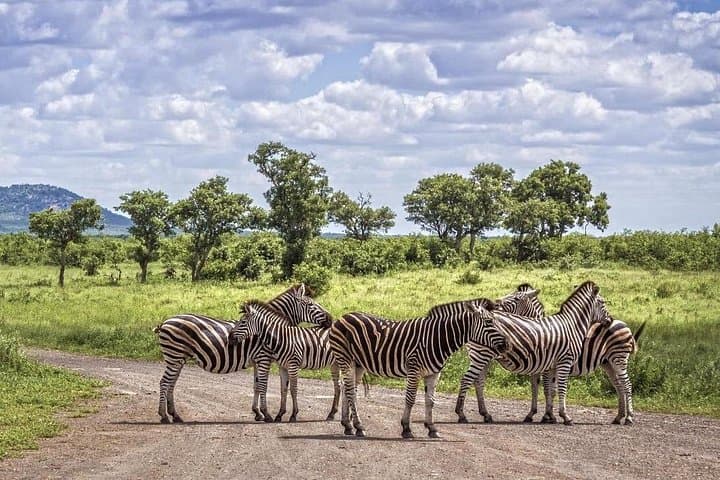
This four-day loop pairs classic Big Five safaris with the geological drama of Mpumalanga’s Panorama Route. Kruger’s long history as a protected reserve—formalized in 1926—has allowed ancient ecosystems to persist; the park’s sandy soils, acacia savannas and riverine corridors support herds and hunters alike. The following day’s full-day game drive moves from open plains into drier acacia pockets and riverbanks where hippos and crocs rule the water. Come morning, bird calls punctuate the air as sun melts the night away and predators begin to stir.
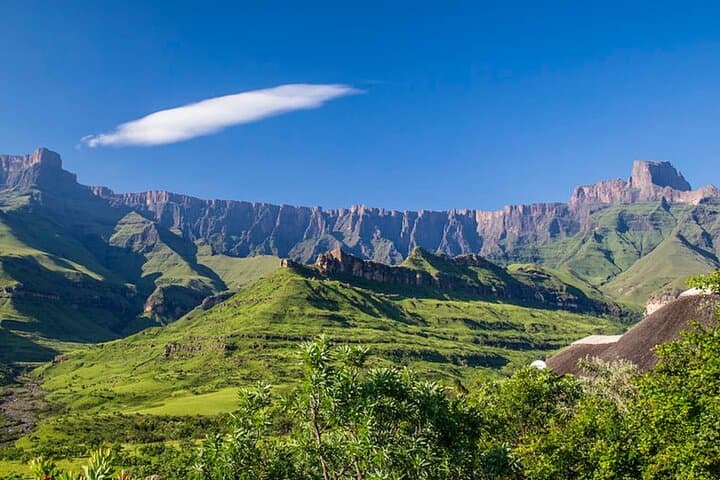
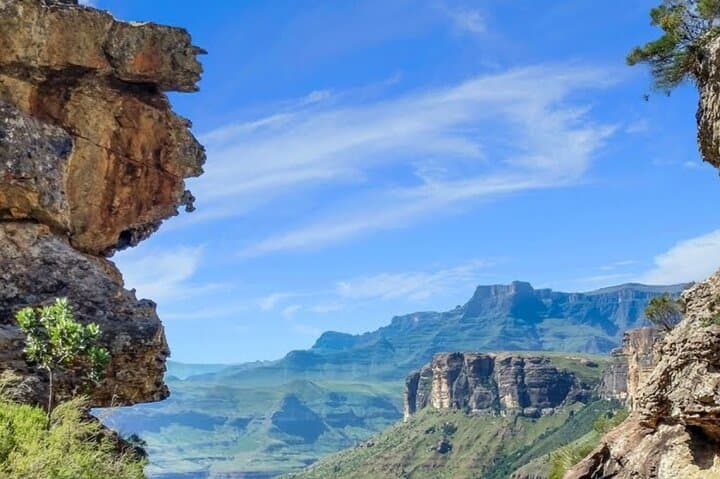
On day three the landscape flips. The Drakensberg escarpment rises nearly a kilometer above the lowveld; fog streams over cliffs at God’s Window and the Blyde River has ground Bourke’s Luck Potholes into sculpted cylinders over millennia. The Three Rondavels stand like weathered sentries above the canyon; Lisbon Falls drops nearly 94 meters into a ferned gorge, spraying cool mist back into the hills. These features tell a geological story of uplift, erosion, and time—useful context for reading the terrain between sightings of lion, elephant and kudu.
Cultural threads run through the route too. Small towns such as Hazyview and Graskop grew around timber, mining and agriculture; local communities now engage in tourism and conservation partnerships, offering crafts and interpretation that enrich the trip.
Practicalities: the itinerary includes sunset and morning safaris, a full-day drive in Kruger, Panorama Route stops and three nights’ lodge accommodation with breakfast. Expect long vehicle transfers—comfortable, but prepare for daypacks, sun and dust. Kruger sits in a malaria zone; consult a travel clinic for prophylaxis. Bring binoculars, a camera with a tele lens, neutral-colored layers for temperature swings, and refillable water. Guides provide tracking expertise and park logistics; leave your wish-list of species with them—their local knowledge is the clearest route to sightings.
Timing matters: early-morning drives and late-afternoon windows are prime for predators; midday is best for geology and waterfalls when visibility is clean. Respect park rules, keep windows partly closed around dangerous game, and tip guides for focused service.
This program balances adrenaline—the hush of a leopard sighting—with quiet moments at Lookouts and waterfalls. For travelers who want tangible wildlife encounters paired with highland panoramas, the four-day Kruger and Panorama Route loop remains an efficient, rewarding way to leave the city and step into South Africa’s wild heart.
easy.
4 days.
Suitable for travelers in general good health; game drives require long periods seated and short walks at viewpoints.
Kruger is in a malaria-risk area; travelers should consult a physician or travel clinic for recommended prophylaxis and follow bite-prevention measures.
Yes—vehicles and schedules accommodate families and many mobility levels, but notify operators of special needs during booking.
No tour can guarantee wildlife sightings, but morning and sunset drives increase chances and experienced guides improve odds.
South African rand is standard; tipping drivers and guides (10–15% of land portion) is customary and appreciated in cash.
Most viewpoints require short, easy walks; some paths have stairs and uneven surfaces—wear stable shoes.
Yes—cover for medical evacuation, trip cancellation and activities in remote areas is strongly advised.
Kruger National Park was formally established in 1926 to protect declining wildlife populations; the Panorama Route’s place names reflect a mix of indigenous, colonial and settler history.
Kruger operates on anti-poaching, scientific monitoring and community engagement programs; visitors help by following park rules and supporting local conservation-linked businesses.
African Tour Safaris operates guided outdoor trips and adventures with an emphasis on safety, stewardship, and memorable experiences.
The first glow of dawn slices across the Lowveld as the convoy eases away from Johannesburg. By late afternoon the light has warmed to gold and, from an open safari vehicle, a tower of elephants silhouettes against the scrub—majestic, deliberate, impossible to ignore. That first sunset drive into Kruger National Park sets the tone: close, quiet encounters orchestrated by guides who read spoor and sky like text.
The first glow of dawn slices across the Lowveld as the convoy eases away from Johannesburg. By late afternoon the light has warmed to gold and, from an open safari vehicle, a tower of elephants silhouettes against the scrub—majestic, deliberate, impossible to ignore. That first sunset drive into Kruger National Park sets the tone: close, quiet encounters orchestrated by guides who read spoor and sky like text.
This four-day loop pairs classic Big Five safaris with the geological drama of Mpumalanga’s Panorama Route. Kruger’s long history as a protected reserve—formalized in 1926—has allowed ancient ecosystems to persist; the park’s sandy soils, acacia savannas and riverine corridors support herds and hunters alike. The following day’s full-day game drive moves from open plains into drier acacia pockets and riverbanks where hippos and crocs rule the water. Come morning, bird calls punctuate the air as sun melts the night away and predators begin to stir.
On day three the landscape flips. The Drakensberg escarpment rises nearly a kilometer above the lowveld; fog streams over cliffs at God’s Window and the Blyde River has ground Bourke’s Luck Potholes into sculpted cylinders over millennia. The Three Rondavels stand like weathered sentries above the canyon; Lisbon Falls drops nearly 94 meters into a ferned gorge, spraying cool mist back into the hills. These features tell a geological story of uplift, erosion, and time—useful context for reading the terrain between sightings of lion, elephant and kudu.
Cultural threads run through the route too. Small towns such as Hazyview and Graskop grew around timber, mining and agriculture; local communities now engage in tourism and conservation partnerships, offering crafts and interpretation that enrich the trip.
Practicalities: the itinerary includes sunset and morning safaris, a full-day drive in Kruger, Panorama Route stops and three nights’ lodge accommodation with breakfast. Expect long vehicle transfers—comfortable, but prepare for daypacks, sun and dust. Kruger sits in a malaria zone; consult a travel clinic for prophylaxis. Bring binoculars, a camera with a tele lens, neutral-colored layers for temperature swings, and refillable water. Guides provide tracking expertise and park logistics; leave your wish-list of species with them—their local knowledge is the clearest route to sightings.
Timing matters: early-morning drives and late-afternoon windows are prime for predators; midday is best for geology and waterfalls when visibility is clean. Respect park rules, keep windows partly closed around dangerous game, and tip guides for focused service.
This program balances adrenaline—the hush of a leopard sighting—with quiet moments at Lookouts and waterfalls. For travelers who want tangible wildlife encounters paired with highland panoramas, the four-day Kruger and Panorama Route loop remains an efficient, rewarding way to leave the city and step into South Africa’s wild heart.