THE ADVENTURE COLLECTIVE® · Independent discovery and booking for outdoor travel

From God’s Window to the Sabie River, this four-day loop pairs the Panorama Route’s cliffs and waterfalls with concentrated Big Five viewing in Kruger National Park. Expect boat trips, sunset open-vehicle drives, and three nights in camp.
From God’s Window to the Sabie River, this four-day loop pairs the Panorama Route’s cliffs and waterfalls with concentrated Big Five viewing in Kruger National Park. Expect boat trips, sunset open-vehicle drives, and three nights in camp.
You step off the air-conditioned van into a wind that smells of dust and wild herbs; the escarpment opens ahead in tiers of ochre and green. On the first day you climb the Panorama Route—Pinnacle Rock juts above the cliff line, then God’s Window gives you a low cloud that slides across the valley like a slow, cool hand. Small craft stalls sell beadwork and iced rooibos while the road threads past Berlin Falls and the sculpted potholes of Bourke’s Luck.
Verified experiences and guided adventures in the surrounding area.
Operated by Amatungulu · Graskop, Mpumalanga
You step off the air-conditioned van into a wind that smells of dust and wild herbs; the escarpment opens ahead in tiers of ochre and green. On the first day you climb the Panorama Route—Pinnacle Rock juts above the cliff line, then God’s Window gives you a low cloud that slides across the valley like a slow, cool hand. Small craft stalls sell beadwork and iced rooibos while the road threads past Berlin Falls and the sculpted potholes of Bourke’s Luck.
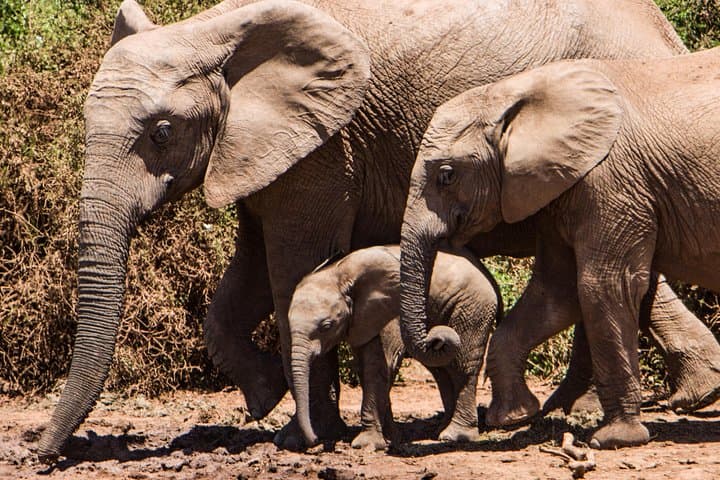
By the second morning the landscape changes: the Blyde Dam spreads like a dark mirror and a boat slips quietly toward the Three Rondawels. The guide points to the Kadishi Tufa waterfall, a 200-meter limestone curtain that gathers the river into ribbons. From there you pass through the Orpen gate into Kruger National Park, where the language is measured in tracks and calls—the scratch of elephant feet, the distant baritone of a buffalo and the low laugh of hyena as dusk thickens.
Kruger’s geology is old: ancient granite and gneiss outcrops influence drainage patterns and create the perennial Sabie River, a magnet for game. Culturally, the route traces early gold rush history at Pilgrim’s Rest and the labor of miners and traders who altered these valleys. Today small communities around Graskop and Hazyview trade craft, meals and local stories to travelers who make the trip.
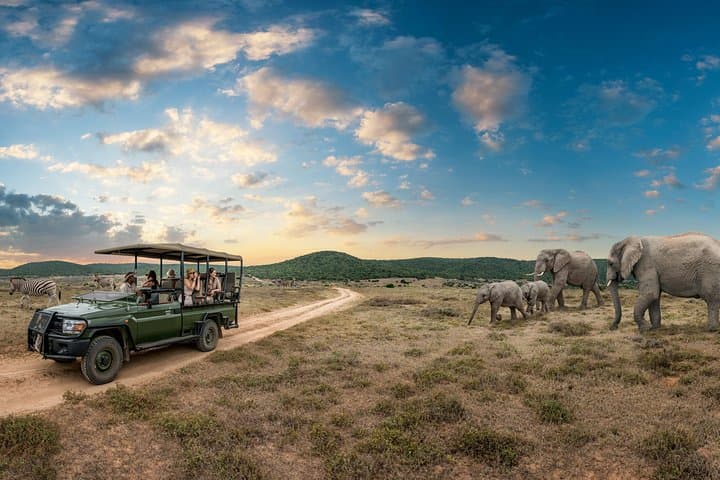
Practically, this is a trip of alternating rhythms. Long drives between viewpoints are punctuated by short, intense game drives—sunrise coffee and an early-morning sweep across open savanna, and a three-hour sunset drive that pushes into night viewing with keen-eyed trackers at the roof hatch. Expect open safari vehicles for evening drives and closed, air-conditioned transport on transfer legs.
Bring binoculars and a telephoto lens for the Sabie River edges; mornings and late afternoons are when predators become bold and waterholes draw a steady procession of animals. Note that Kruger is in a malaria zone, so anti-malarial precautions are sensible. Weather changes quickly on the escarpment—pack a light rain shell even if forecasts are dry.
Logistics are straightforward: pickup at OR Tambo or nearby hotels between 7:00 and 7:30 a.m., three nights in lodge or rest camp accommodation, and national park fees included. Book at least 60 days ahead if you want preferred dates. For travelers who want the Big Five with the added spectacle of the Panorama Route, this four-day loop balances scenery, geology and several concentrated chances to see elephant, rhino, lion, leopard and buffalo without the heavy lift of a private expedition.
moderate.
4 days.
Suitable for travelers with basic mobility who can handle long vehicle transfers and short walks; some early mornings and uneven terrain during guided walks.
Yes, Kruger is in a malaria risk area—consult your doctor or travel clinic for an appropriate prophylactic and bring insect repellent.
Guides maximize sighting opportunities, but distance varies; for safety many drives are conducted from vehicles rather than on foot, so expect sightings from a respectful distance.
Basic fitness is sufficient—most activities involve vehicle-based game drives with optional short guided walks.
Yes; national park fees are listed as included in the tour price.
Children under 6 are not allowed in the open sunset vehicle; parents can arrange alternate drives to accommodate younger kids.
Dry winter months (June–August) concentrate wildlife around water and offer the best visibility, while summer brings lush landscapes and birdlife.
The Panorama Route skirts Pilgrim’s Rest, an 1870s gold rush town preserved as a living museum; the Blyde River Canyon formed where resistant rock forced the river into dramatic bends.
Kruger operates extensive anti-poaching and habitat programs; visitors can reduce impact by staying on roads, minimizing flash photography and following guide directions.
Amatungulu operates guided outdoor trips and adventures with an emphasis on safety, stewardship, and memorable experiences.
You step off the air-conditioned van into a wind that smells of dust and wild herbs; the escarpment opens ahead in tiers of ochre and green. On the first day you climb the Panorama Route—Pinnacle Rock juts above the cliff line, then God’s Window gives you a low cloud that slides across the valley like a slow, cool hand. Small craft stalls sell beadwork and iced rooibos while the road threads past Berlin Falls and the sculpted potholes of Bourke’s Luck.
You step off the air-conditioned van into a wind that smells of dust and wild herbs; the escarpment opens ahead in tiers of ochre and green. On the first day you climb the Panorama Route—Pinnacle Rock juts above the cliff line, then God’s Window gives you a low cloud that slides across the valley like a slow, cool hand. Small craft stalls sell beadwork and iced rooibos while the road threads past Berlin Falls and the sculpted potholes of Bourke’s Luck.
By the second morning the landscape changes: the Blyde Dam spreads like a dark mirror and a boat slips quietly toward the Three Rondawels. The guide points to the Kadishi Tufa waterfall, a 200-meter limestone curtain that gathers the river into ribbons. From there you pass through the Orpen gate into Kruger National Park, where the language is measured in tracks and calls—the scratch of elephant feet, the distant baritone of a buffalo and the low laugh of hyena as dusk thickens.
Kruger’s geology is old: ancient granite and gneiss outcrops influence drainage patterns and create the perennial Sabie River, a magnet for game. Culturally, the route traces early gold rush history at Pilgrim’s Rest and the labor of miners and traders who altered these valleys. Today small communities around Graskop and Hazyview trade craft, meals and local stories to travelers who make the trip.
Practically, this is a trip of alternating rhythms. Long drives between viewpoints are punctuated by short, intense game drives—sunrise coffee and an early-morning sweep across open savanna, and a three-hour sunset drive that pushes into night viewing with keen-eyed trackers at the roof hatch. Expect open safari vehicles for evening drives and closed, air-conditioned transport on transfer legs.
Bring binoculars and a telephoto lens for the Sabie River edges; mornings and late afternoons are when predators become bold and waterholes draw a steady procession of animals. Note that Kruger is in a malaria zone, so anti-malarial precautions are sensible. Weather changes quickly on the escarpment—pack a light rain shell even if forecasts are dry.
Logistics are straightforward: pickup at OR Tambo or nearby hotels between 7:00 and 7:30 a.m., three nights in lodge or rest camp accommodation, and national park fees included. Book at least 60 days ahead if you want preferred dates. For travelers who want the Big Five with the added spectacle of the Panorama Route, this four-day loop balances scenery, geology and several concentrated chances to see elephant, rhino, lion, leopard and buffalo without the heavy lift of a private expedition.