THE ADVENTURE COLLECTIVE® · Independent discovery and booking for outdoor travel

A four-day loop from Johannesburg that pairs Kruger’s game-rich lowveld with the dramatic escarpments of the Panorama Route. Expect sunrise and sunset safaris, geological wonders like Bourke’s Luck Potholes, and local guides who know where the wildlife hides.
A four-day loop from Johannesburg that pairs Kruger’s game-rich lowveld with the dramatic escarpments of the Panorama Route. Expect sunrise and sunset safaris, geological wonders like Bourke’s Luck Potholes, and local guides who know where the wildlife hides.
Late afternoon in Mpumalanga, the road loosens the city’s hold: dust lifts in ribboned plumes, combed grasses lean into the wind and the first impala silhouette flickers along the verge. You arrive at the gate as the light thins and the bush takes up its soundtrack—thick insect chatter, distant bellows, and the soft rumble of elephants moving toward a waterhole. That opening sunset drive in Kruger sets the tone: wide horizons, animal profiles carved against an inked sky, and a guide whose binocular-trained patience turns every rustle into promise.
Verified experiences and guided adventures in the surrounding area.
Operated by African Cape Safaris · Hazyview, Mpumalanga
Late afternoon in Mpumalanga, the road loosens the city’s hold: dust lifts in ribboned plumes, combed grasses lean into the wind and the first impala silhouette flickers along the verge. You arrive at the gate as the light thins and the bush takes up its soundtrack—thick insect chatter, distant bellows, and the soft rumble of elephants moving toward a waterhole. That opening sunset drive in Kruger sets the tone: wide horizons, animal profiles carved against an inked sky, and a guide whose binocular-trained patience turns every rustle into promise.
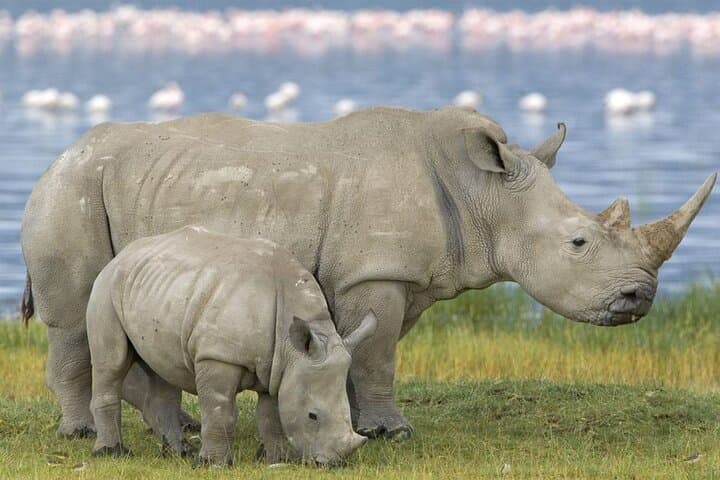
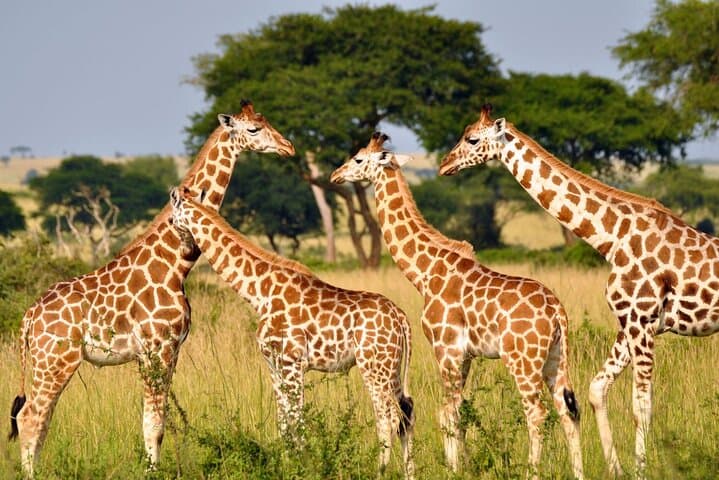
Over four days this trip stitches two distinct South African landscapes together. Kruger’s lowveld, a warm mosaic of acacia and mopane, holds the Big Five in slow, patient choreography. By contrast the Panorama Route—God’s Window, Bourke’s Luck Potholes, the Three Rondavels—rises on the Drakensberg escarpment where rivers have carved canyons and the air comes cool and clear. Geologically, the potholes are a slow-motion machinist: centuries of swirling river water grinding the sandstone into perfectly round chambers. Culturally, the route is a cross-section of Mpumalanga’s settler and indigenous histories—names and stories stamped on cliffs and bridges, and small towns like Graskop where coffee tastes of altitude.
Guides here are storytellers and naturalists: they interpret spoor as a living ledger, explain how the escarpment’s elevation drop creates weather that makes God’s Window possible, and point out how local communities are linked to both tourism and conservation. The itinerary balances those front-row safaris in open 4x4s—sunrise and full-day drives—with scenic walks and viewpoints that reward short, sharp hikes and easy photo stops.
Practical notes you’ll want before you go: expect roughly five hours of driving from Johannesburg to the Kruger edge, and plan for temperature swings—cool mornings in the highlands, hot, dry afternoons in the lowveld. Malaria prophylaxis is commonly recommended for Kruger; consult your physician. Pack a 300–400mm lens or rent one locally if you want tight wildlife frames, and bring layered clothing for early-morning safaris when the air bites. Hydration matters—carry at least 1.5–2 liters for game drives—and respect park rules: stay in vehicles unless at marked rest spots and follow your guide’s signals.
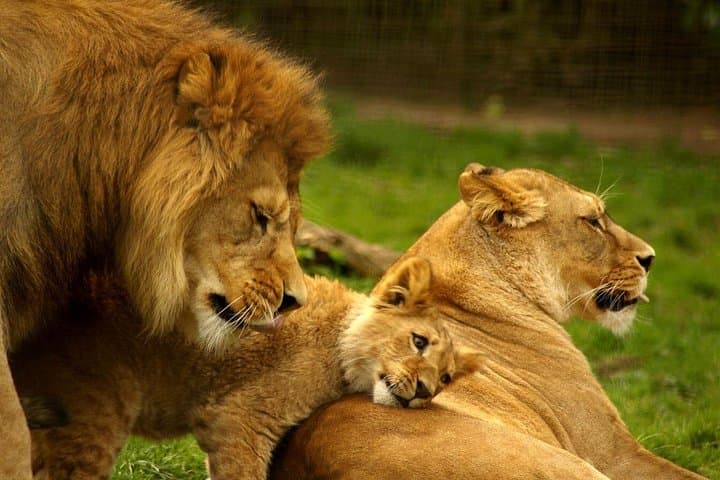
This is an approachable but immersive trip: you’ll witness predatory patience, rivers daring the rock to change shape, and vistas that make the long drive worth every hour. With informed guides and a mix of wildlife intensity and scenic calm, the Kruger and Panorama combination delivers a compact, unforgettable portrait of South Africa’s wild heart.
moderate.
4 days.
Moderate fitness — comfortable walking for short viewpoints and tolerance for long vehicle days required.
Plan for about 4.5–5.5 hours depending on traffic and pickup locations; the tour leaves Johannesburg mid-morning to make the most of daylight.
Yes — the tour is rated suitable for all fitness levels with wheelchair-accessible options noted, but long vehicle days may be tiring for very young children or travelers with limited mobility.
Visa requirements depend on your nationality; malaria prophylaxis is commonly recommended for Kruger—check with a travel clinic for current vaccine and medication advice.
The tour maximizes chances via multiple drives, but wildlife sightings are never guaranteed—conditions are seasonal and animals move freely across the park.
This tour includes three nights B&B, breakfasts, and picnic stops during full-day safaris, as listed in the itinerary.
Vehicles typically have limited charging; bring spare batteries and a power bank for the field rather than relying on in-vehicle power.
The Panorama Route and Kruger area carry layered histories—from Mpumalanga’s indigenous communities to 19th-century prospectors like Tom Bourke whose name is tied to Bourke’s Luck Potholes.
Kruger National Park runs anti-poaching and community upliftment programs; tourists can help by sticking to trails, respecting wildlife, and supporting local conservation-friendly businesses.
African Cape Safaris operates guided outdoor trips and adventures with an emphasis on safety, stewardship, and memorable experiences.
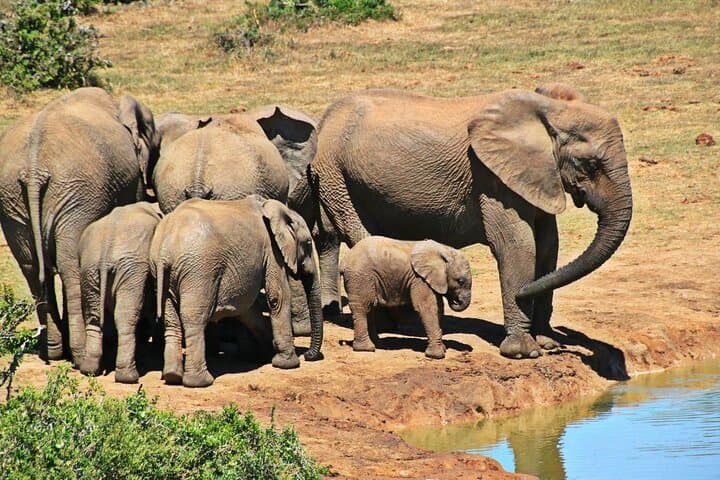
Late afternoon in Mpumalanga, the road loosens the city’s hold: dust lifts in ribboned plumes, combed grasses lean into the wind and the first impala silhouette flickers along the verge. You arrive at the gate as the light thins and the bush takes up its soundtrack—thick insect chatter, distant bellows, and the soft rumble of elephants moving toward a waterhole. That opening sunset drive in Kruger sets the tone: wide horizons, animal profiles carved against an inked sky, and a guide whose binocular-trained patience turns every rustle into promise.
Late afternoon in Mpumalanga, the road loosens the city’s hold: dust lifts in ribboned plumes, combed grasses lean into the wind and the first impala silhouette flickers along the verge. You arrive at the gate as the light thins and the bush takes up its soundtrack—thick insect chatter, distant bellows, and the soft rumble of elephants moving toward a waterhole. That opening sunset drive in Kruger sets the tone: wide horizons, animal profiles carved against an inked sky, and a guide whose binocular-trained patience turns every rustle into promise.
Over four days this trip stitches two distinct South African landscapes together. Kruger’s lowveld, a warm mosaic of acacia and mopane, holds the Big Five in slow, patient choreography. By contrast the Panorama Route—God’s Window, Bourke’s Luck Potholes, the Three Rondavels—rises on the Drakensberg escarpment where rivers have carved canyons and the air comes cool and clear. Geologically, the potholes are a slow-motion machinist: centuries of swirling river water grinding the sandstone into perfectly round chambers. Culturally, the route is a cross-section of Mpumalanga’s settler and indigenous histories—names and stories stamped on cliffs and bridges, and small towns like Graskop where coffee tastes of altitude.
Guides here are storytellers and naturalists: they interpret spoor as a living ledger, explain how the escarpment’s elevation drop creates weather that makes God’s Window possible, and point out how local communities are linked to both tourism and conservation. The itinerary balances those front-row safaris in open 4x4s—sunrise and full-day drives—with scenic walks and viewpoints that reward short, sharp hikes and easy photo stops.
Practical notes you’ll want before you go: expect roughly five hours of driving from Johannesburg to the Kruger edge, and plan for temperature swings—cool mornings in the highlands, hot, dry afternoons in the lowveld. Malaria prophylaxis is commonly recommended for Kruger; consult your physician. Pack a 300–400mm lens or rent one locally if you want tight wildlife frames, and bring layered clothing for early-morning safaris when the air bites. Hydration matters—carry at least 1.5–2 liters for game drives—and respect park rules: stay in vehicles unless at marked rest spots and follow your guide’s signals.
This is an approachable but immersive trip: you’ll witness predatory patience, rivers daring the rock to change shape, and vistas that make the long drive worth every hour. With informed guides and a mix of wildlife intensity and scenic calm, the Kruger and Panorama combination delivers a compact, unforgettable portrait of South Africa’s wild heart.