THE ADVENTURE COLLECTIVE® · Independent discovery and booking for outdoor travel

Trade the city skyline for stretching lowveld and canyon rims on this four-day circuit from Johannesburg. Expect Big Five sightings in Kruger, geological oddities along the Panorama Route and long, cinematic drives through Mpumalanga.
Trade the city skyline for stretching lowveld and canyon rims on this four-day circuit from Johannesburg. Expect Big Five sightings in Kruger, geological oddities along the Panorama Route and long, cinematic drives through Mpumalanga.
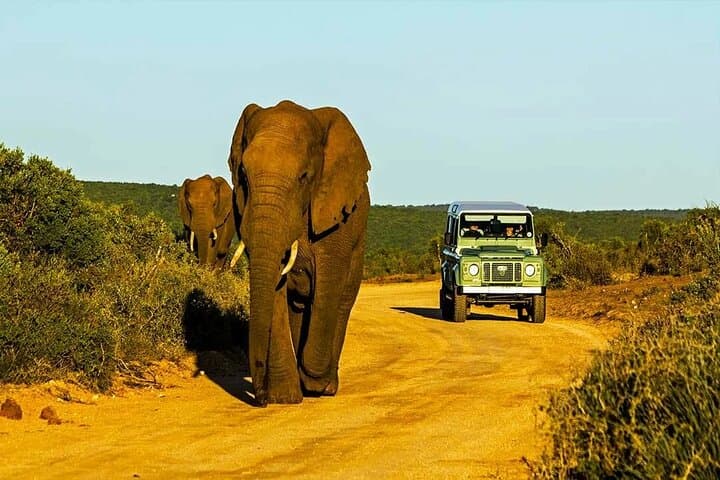
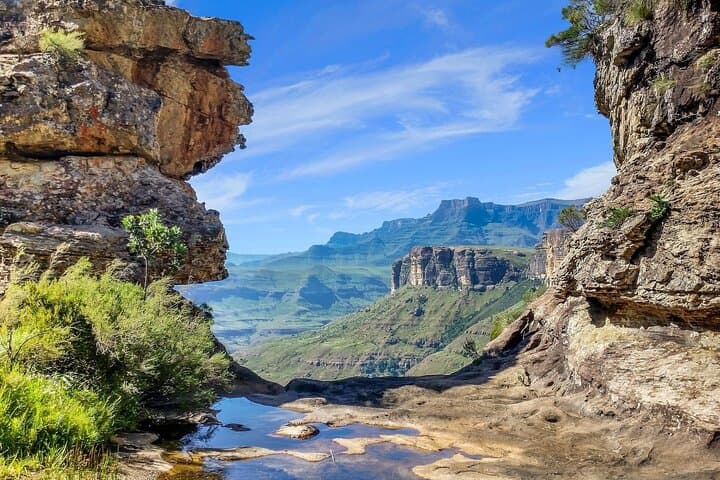
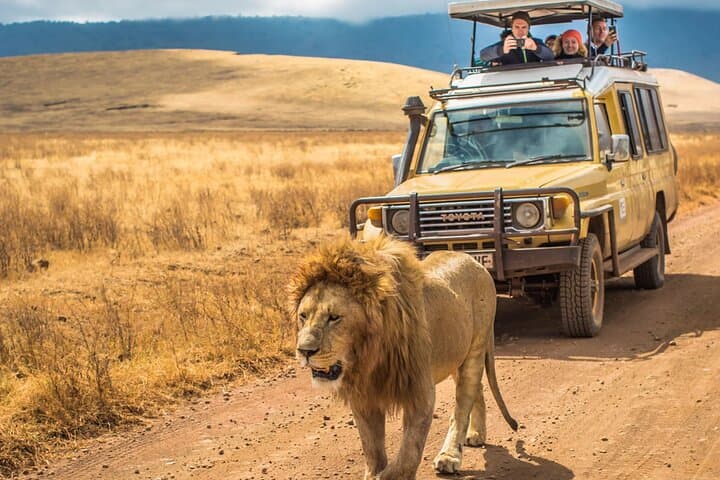
You step out of Johannesburg’s morning hush and into a highway that loosens the city’s grip. The landscape opens in stages: lowveld savanna giving way to Mpumalanga’s escarpment, and by late afternoon the scrub thins and the first giraffe silhouette punctures the horizon. This four-day loop pairs the raw focus of Kruger National Park—where lions mark their territories and elephants rearrange the road—with the geological drama of the Panorama Route: God’s Window, Bourke’s Luck Potholes and the Three Rondavels.
Verified experiences and guided adventures in the surrounding area.
Operated by Cape Touring · Skukuza, Mpumalanga
You step out of Johannesburg’s morning hush and into a highway that loosens the city’s grip. The landscape opens in stages: lowveld savanna giving way to Mpumalanga’s escarpment, and by late afternoon the scrub thins and the first giraffe silhouette punctures the horizon. This four-day loop pairs the raw focus of Kruger National Park—where lions mark their territories and elephants rearrange the road—with the geological drama of the Panorama Route: God’s Window, Bourke’s Luck Potholes and the Three Rondavels.
Kruger is older than any tourist itinerary; its plains and riverine corridors were shaped by millions of years of tectonics and seasonal flood cycles. The Blyde River Canyon, one of the world’s largest ‘‘green’’ canyons, records deep erosional history in its potholes and layered cliffs—the river’s swirling finger of force carving cylindrical basins that dare you to get closer. Mpumalanga itself—literally “the place where the sun rises”—has long been home to Tsonga, Swazi and Southern Ndebele communities; along the Panorama Route you’ll notice oven-dried stonework and occasional rural markets selling beadwork and rooibos tea.
The trip moves deliberately between quiet observation and cinematic vistas. Day one’s sunset safari primes your senses: light goes bronze, birds return to roost, predators shift from languid to purposeful. Day two is full-park immersion—open savannahs, acacia-lined drainage lines and watering holes that act like stage sets for kudu, zebra and the occasional rhino. Day three trades animal tracks for escarpment trails, where mist can hang in the valley like a low cloud river, and the potholes’ polished swirl patterns make a geology lesson you can frame in a photo.
Practical edge: most game-viewing happens from open 4x4s—bring binoculars and a lens with 200–400mm reach if you want tight wildlife shots. Expect long drives: the Johannesburg-to-Kruger leg runs roughly 400–500 km and takes 5–6 hours depending on stops. Mornings and evenings are cool; middays are hot and sun-intense.
Plan layers (early starts and late drives), sun protection, reusable water bottles and a small daypack for short walks at viewpoints. Guides are experienced at reading spoor and behavior; listen to their instructions—respect for animals and habitat keeps this landscape earning its future visits. If you can, book accommodations inside or adjacent to the park to extend quiet dawn and dusk hours—those are the moments when Kruger goes from scenic to unforgettable.
moderate.
4 days.
Suitable for travelers in light to moderate fitness—able to sit for multi-hour drives and walk short, uneven trails at viewpoints.
Expect roughly 400–500 km and 5–6 hours of driving depending on route and stops—your itinerary includes scenic pauses along the way.
The tour maximizes park time and increases your odds—guides are skilled at reading spoor—however wildlife sightings cannot be guaranteed.
Yes—vehicles and routes are chosen for accessibility; the operator notes the trip is suitable for all fitness levels, though long drives can be tiring.
Overnights are typically at a lodge near or inside Kruger (e.g., Kruger Adventure Lodge or similar), as listed in the itinerary.
Mpumalanga has cool mornings and hot midday—pack layers, sun protection, sturdy shoes for short walks, and a light rain layer in summer (Nov–Mar).
The listing indicates wheelchair-accessible options for transportation and surfaces—confirm specific requirements during booking so operators can accommodate you.
The Panorama Route follows an ancient escarpment formed as the African plateau dropped, and the area has long been home to Tsonga and Ndebele peoples whose crafts are sold along the route.
Kruger National Park is managed for ecosystem integrity—follow all park rules to reduce disturbance; consider small donations to local community conservation projects when offered.
Cape Touring operates guided outdoor trips and adventures with an emphasis on safety, stewardship, and memorable experiences.
You step out of Johannesburg’s morning hush and into a highway that loosens the city’s grip. The landscape opens in stages: lowveld savanna giving way to Mpumalanga’s escarpment, and by late afternoon the scrub thins and the first giraffe silhouette punctures the horizon. This four-day loop pairs the raw focus of Kruger National Park—where lions mark their territories and elephants rearrange the road—with the geological drama of the Panorama Route: God’s Window, Bourke’s Luck Potholes and the Three Rondavels.
You step out of Johannesburg’s morning hush and into a highway that loosens the city’s grip. The landscape opens in stages: lowveld savanna giving way to Mpumalanga’s escarpment, and by late afternoon the scrub thins and the first giraffe silhouette punctures the horizon. This four-day loop pairs the raw focus of Kruger National Park—where lions mark their territories and elephants rearrange the road—with the geological drama of the Panorama Route: God’s Window, Bourke’s Luck Potholes and the Three Rondavels.
Kruger is older than any tourist itinerary; its plains and riverine corridors were shaped by millions of years of tectonics and seasonal flood cycles. The Blyde River Canyon, one of the world’s largest ‘‘green’’ canyons, records deep erosional history in its potholes and layered cliffs—the river’s swirling finger of force carving cylindrical basins that dare you to get closer. Mpumalanga itself—literally “the place where the sun rises”—has long been home to Tsonga, Swazi and Southern Ndebele communities; along the Panorama Route you’ll notice oven-dried stonework and occasional rural markets selling beadwork and rooibos tea.
The trip moves deliberately between quiet observation and cinematic vistas. Day one’s sunset safari primes your senses: light goes bronze, birds return to roost, predators shift from languid to purposeful. Day two is full-park immersion—open savannahs, acacia-lined drainage lines and watering holes that act like stage sets for kudu, zebra and the occasional rhino. Day three trades animal tracks for escarpment trails, where mist can hang in the valley like a low cloud river, and the potholes’ polished swirl patterns make a geology lesson you can frame in a photo.
Practical edge: most game-viewing happens from open 4x4s—bring binoculars and a lens with 200–400mm reach if you want tight wildlife shots. Expect long drives: the Johannesburg-to-Kruger leg runs roughly 400–500 km and takes 5–6 hours depending on stops. Mornings and evenings are cool; middays are hot and sun-intense.
Plan layers (early starts and late drives), sun protection, reusable water bottles and a small daypack for short walks at viewpoints. Guides are experienced at reading spoor and behavior; listen to their instructions—respect for animals and habitat keeps this landscape earning its future visits. If you can, book accommodations inside or adjacent to the park to extend quiet dawn and dusk hours—those are the moments when Kruger goes from scenic to unforgettable.