THE ADVENTURE COLLECTIVE® · Independent discovery and booking for outdoor travel

Four days of guided exploration across Kathmandu Valley’s UNESCO sites—Swayambhunath, Boudhanath, Pashupatinath, Patan and Bhaktapur—plus a sunrise at Nagarkot. This private tour pairs efficient transfers with a knowledgeable guide to unpack local history and temple etiquette.
Four days of guided exploration across Kathmandu Valley’s UNESCO sites—Swayambhunath, Boudhanath, Pashupatinath, Patan and Bhaktapur—plus a sunrise at Nagarkot. This private tour pairs efficient transfers with a knowledgeable guide to unpack local history and temple etiquette.
Imagine stepping from Tribhuvan International into a city where prayer wheels click under the same sky that opens to Himalayan light. The first morning finds you at Swayambhunath, monkeys eyeing your camera as the stupa’s white dome reflects a slow, Buddhist cadence. By afternoon, the carved windows and crowded courtyards of Kathmandu Durbar Square compress centuries into a single alleyway.
Verified experiences and guided adventures in the surrounding area.
Operated by Nepal Mountain Club Pvt Ltd · Kathmandu, Bagmati Province
Imagine stepping from Tribhuvan International into a city where prayer wheels click under the same sky that opens to Himalayan light. The first morning finds you at Swayambhunath, monkeys eyeing your camera as the stupa’s white dome reflects a slow, Buddhist cadence. By afternoon, the carved windows and crowded courtyards of Kathmandu Durbar Square compress centuries into a single alleyway.
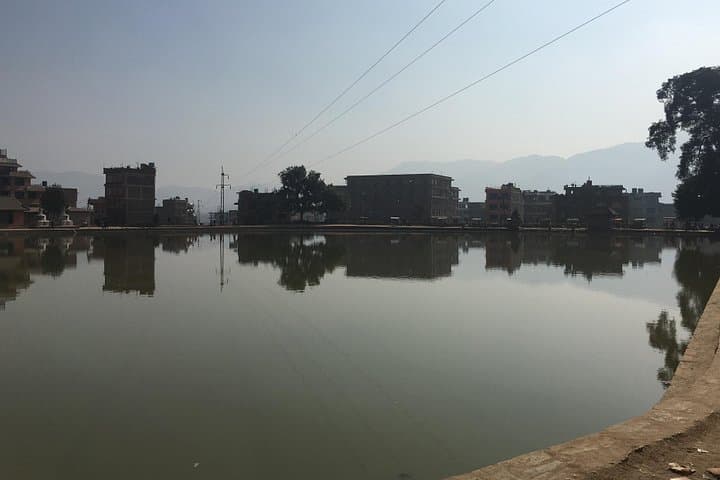
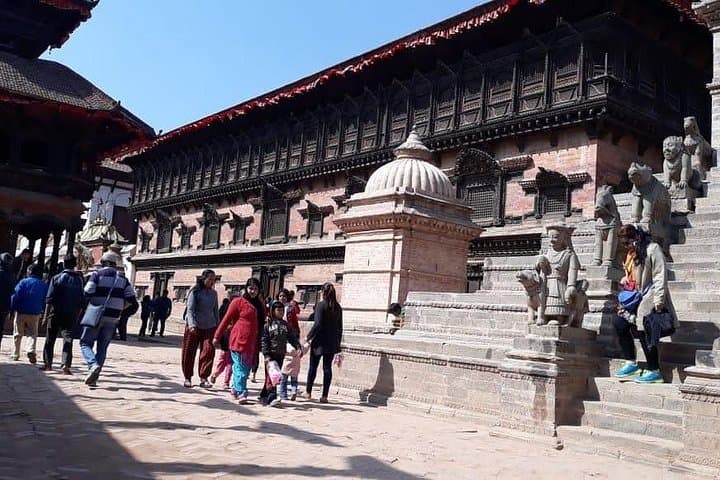
Kathmandu Valley sits at roughly 1,400 m elevation on a basin of ancient river terraces; its layered history mixes Newar craftsmanship, Hindu ritual along the Bagmati River and Tibetan-influenced monasteries around Boudhanath. Bhaktapur and Patan—both UNESCO sites—display kilns, pottery squares and wood-carved palaces that speak to medieval trade and local guilds. A quick pre-dawn drive to Nagarkot (higher ridgeline) rewards early risers with a wide, changing light over Himalayan silhouettes.
Practically, expect 3–6 km of walking daily across cobbled lanes and temple steps; comfortable shoes and modest clothing make temple visits smoother. Your private guide explains backstory and navigation—avoid peak traffic windows when transferring between sites. Carry small change for minor monument fees and monk donations; local cafés make convenient breaks. Hydrate regularly at altitude, and plan early starts for best light in courtyards and at Nagarkot sunrise. The rhythm of this tour is urban exploration with cultural depth—organized transfers and breakfasts simplify logistics so you can focus on the architecture, rituals and the city’s textured street life.
easy.
4 days (full days of sightseeing).
Light: suitable for travelers who can walk several kilometers and navigate stairs and uneven surfaces.
The tour notes sightseeing per itinerary; some monument fees and donations are separate—expect a small cumulative fee (up to about US$20).
Yes—round-trip private transfer from Tribhuvan International Airport is included as stated in the itinerary.
Yes—it's rated easy and accessible for a range of ages, though children must be accompanied and some sites have stairs and uneven ground.
Modest dress is required: cover shoulders and knees, remove shoes at some shrines, and avoid intrusive photography at sensitive areas like Pashupatinath cremation ghats.
Kathmandu Valley’s core cities—Kathmandu, Patan and Bhaktapur—preserve Newar urban layouts and medieval palaces; many sites are UNESCO-listed for their concentration of cultural heritage.
Visitors should limit plastic, use refillable bottles and respect restricted areas to reduce wear on fragile temple structures and riverfront ecosystems.
Nepal Mountain Club Pvt Ltd operates guided outdoor trips and adventures with an emphasis on safety, stewardship, and memorable experiences.
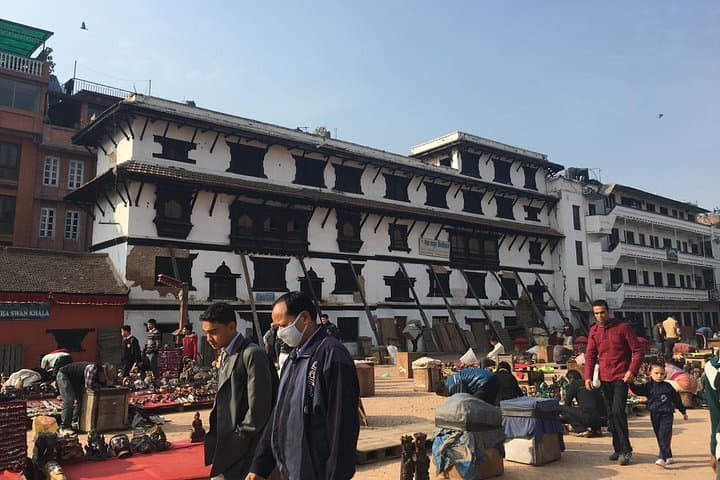
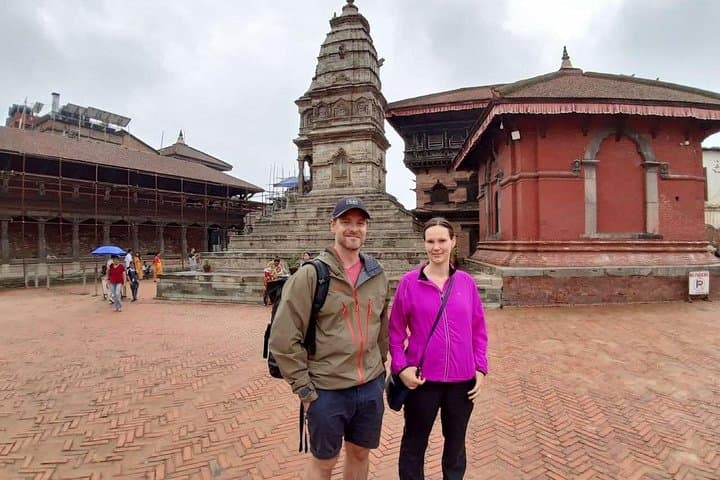
Imagine stepping from Tribhuvan International into a city where prayer wheels click under the same sky that opens to Himalayan light. The first morning finds you at Swayambhunath, monkeys eyeing your camera as the stupa’s white dome reflects a slow, Buddhist cadence. By afternoon, the carved windows and crowded courtyards of Kathmandu Durbar Square compress centuries into a single alleyway.
Imagine stepping from Tribhuvan International into a city where prayer wheels click under the same sky that opens to Himalayan light. The first morning finds you at Swayambhunath, monkeys eyeing your camera as the stupa’s white dome reflects a slow, Buddhist cadence. By afternoon, the carved windows and crowded courtyards of Kathmandu Durbar Square compress centuries into a single alleyway.
Kathmandu Valley sits at roughly 1,400 m elevation on a basin of ancient river terraces; its layered history mixes Newar craftsmanship, Hindu ritual along the Bagmati River and Tibetan-influenced monasteries around Boudhanath. Bhaktapur and Patan—both UNESCO sites—display kilns, pottery squares and wood-carved palaces that speak to medieval trade and local guilds. A quick pre-dawn drive to Nagarkot (higher ridgeline) rewards early risers with a wide, changing light over Himalayan silhouettes.
Practically, expect 3–6 km of walking daily across cobbled lanes and temple steps; comfortable shoes and modest clothing make temple visits smoother. Your private guide explains backstory and navigation—avoid peak traffic windows when transferring between sites. Carry small change for minor monument fees and monk donations; local cafés make convenient breaks. Hydrate regularly at altitude, and plan early starts for best light in courtyards and at Nagarkot sunrise. The rhythm of this tour is urban exploration with cultural depth—organized transfers and breakfasts simplify logistics so you can focus on the architecture, rituals and the city’s textured street life.