THE ADVENTURE COLLECTIVE® · Independent discovery and booking for outdoor travel

A compact 4-day circuit from Kalam to Mahodand Lake through Ushu Forest and high alpine meadows. Expect rough 4x4 tracks, trout-fed lakes, and cultural pit stops in mountain villages.
A compact 4-day circuit from Kalam to Mahodand Lake through Ushu Forest and high alpine meadows. Expect rough 4x4 tracks, trout-fed lakes, and cultural pit stops in mountain villages.
A cold wind from the upper valleys greets the convoy as it climbs out of Kalam and into Ushu’s green folds. Pine-scented air presses at the windows while the jeep grinds over a rough track; terraces, waterfalls and stone hamlets flick past like pages in a travel diary. By the second day the world opens into a wide, mirror-still bowl — Mahodand Lake sitting at alpine elevation, a clear, cold eye surrounded by moraine and grassy slopes.
Verified experiences and guided adventures in the surrounding area.
Operated by azan travel and tourism services · Kalam, Khyber Pakhtunkhwa
A cold wind from the upper valleys greets the convoy as it climbs out of Kalam and into Ushu’s green folds. Pine-scented air presses at the windows while the jeep grinds over a rough track; terraces, waterfalls and stone hamlets flick past like pages in a travel diary. By the second day the world opens into a wide, mirror-still bowl — Mahodand Lake sitting at alpine elevation, a clear, cold eye surrounded by moraine and grassy slopes.
This route threads Swat’s layered history: ancient trade corridors that linked Central Asia, followed by small mountain kingdoms and the local Pashtun culture centered in Kalam’s market. The geology is Pleistocene — glacial scouring left u-shaped valleys, erratic boulders and the high basins that hold Mahodand’s water. Locals fish trout from the lake and graze yaks and goats on the summer meadows.
Practical guidance: expect rough roads and 4x4 transfers of 2–4 hours between stops; Mahodand sits above 2,800–3,000 m (roughly 9,200–9,800 ft), so allow time for light acclimatization. Trails around the lake are short but uneven—rocky shorelines and wet sections near inlets. Bring layered clothing, waterproof footwear, and water purification if you plan to refill.
Timing matters: travel in summer for open passes and wildflowers, or late spring for fuller streams; winters close many access roads. Respect local customs — modest dress and asking before photographing people keeps interactions smooth — and leave no trace: fragile alpine meadows recover slowly.
The road distance is roughly 40–60 km and typically takes 2–4 hours by 4x4 depending on road conditions and stops.
Mahodand sits near 2,800–3,000 m; mild symptoms are possible—allow an easy first day, hydrate, and avoid heavy exertion on arrival.
No formal national park permits are usually required, but check with local authorities or your guide for any temporary restrictions.
Kalam has guesthouses and small hotels; near Mahodand you’ll find basic lakeside campsites and seasonal guest huts rather than full-service hotels.
azan travel and tourism services operates guided outdoor trips and adventures with an emphasis on safety, stewardship, and memorable experiences.
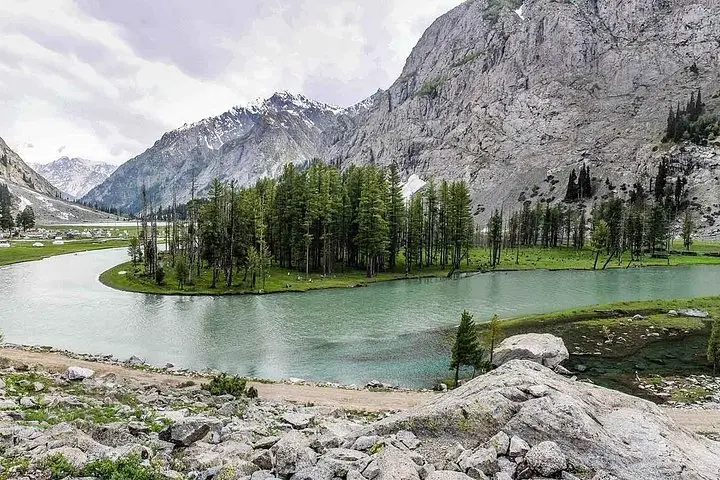
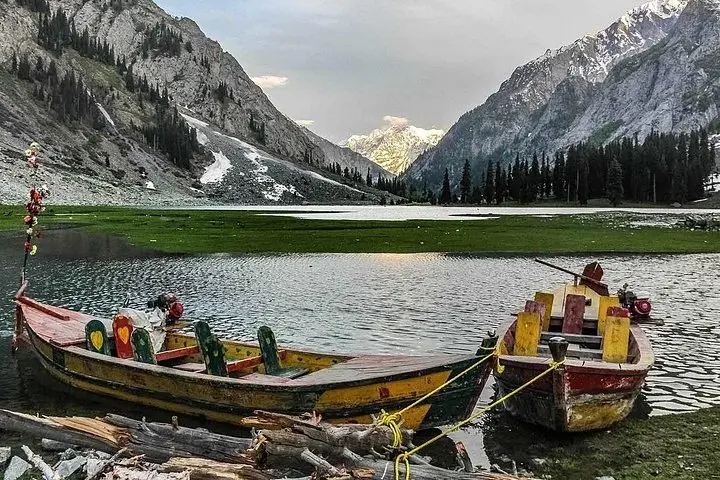
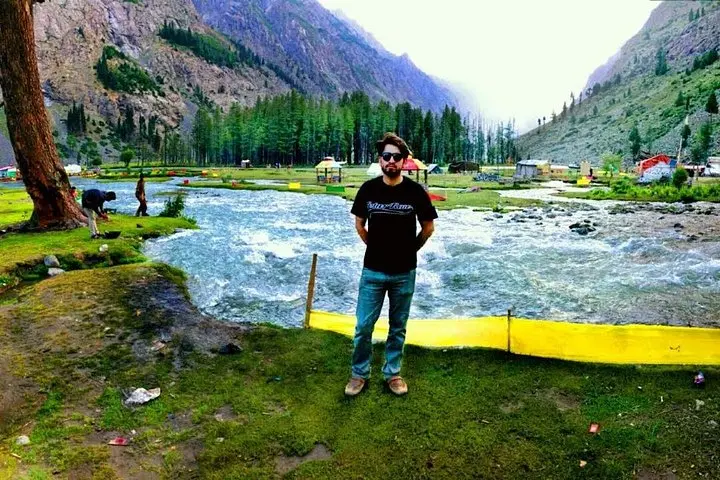
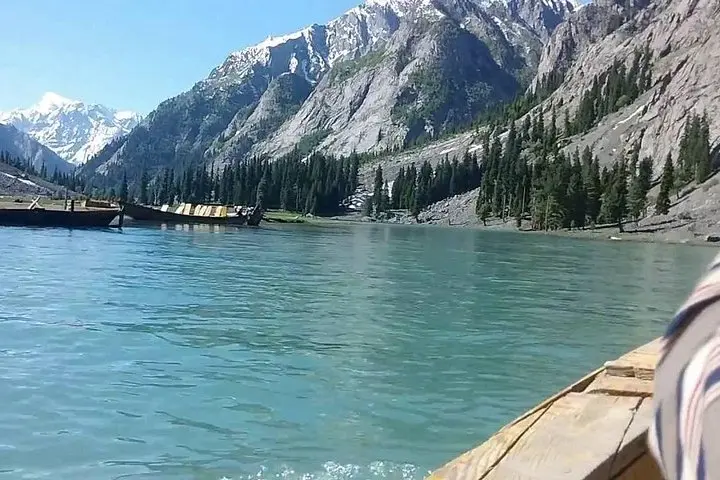
A cold wind from the upper valleys greets the convoy as it climbs out of Kalam and into Ushu’s green folds. Pine-scented air presses at the windows while the jeep grinds over a rough track; terraces, waterfalls and stone hamlets flick past like pages in a travel diary. By the second day the world opens into a wide, mirror-still bowl — Mahodand Lake sitting at alpine elevation, a clear, cold eye surrounded by moraine and grassy slopes.
A cold wind from the upper valleys greets the convoy as it climbs out of Kalam and into Ushu’s green folds. Pine-scented air presses at the windows while the jeep grinds over a rough track; terraces, waterfalls and stone hamlets flick past like pages in a travel diary. By the second day the world opens into a wide, mirror-still bowl — Mahodand Lake sitting at alpine elevation, a clear, cold eye surrounded by moraine and grassy slopes.
This route threads Swat’s layered history: ancient trade corridors that linked Central Asia, followed by small mountain kingdoms and the local Pashtun culture centered in Kalam’s market. The geology is Pleistocene — glacial scouring left u-shaped valleys, erratic boulders and the high basins that hold Mahodand’s water. Locals fish trout from the lake and graze yaks and goats on the summer meadows.
Practical guidance: expect rough roads and 4x4 transfers of 2–4 hours between stops; Mahodand sits above 2,800–3,000 m (roughly 9,200–9,800 ft), so allow time for light acclimatization. Trails around the lake are short but uneven—rocky shorelines and wet sections near inlets. Bring layered clothing, waterproof footwear, and water purification if you plan to refill.
Timing matters: travel in summer for open passes and wildflowers, or late spring for fuller streams; winters close many access roads. Respect local customs — modest dress and asking before photographing people keeps interactions smooth — and leave no trace: fragile alpine meadows recover slowly.