THE ADVENTURE COLLECTIVE® · Independent discovery and booking for outdoor travel

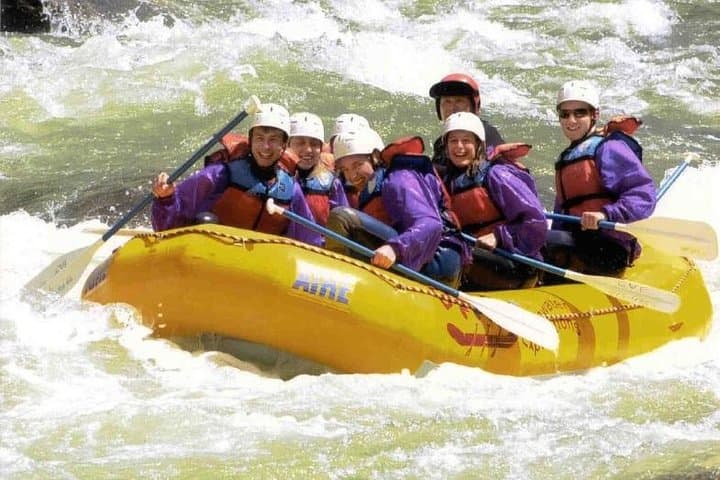
Combine downhill mountain biking from 4,350 m, Class III–IV rafting on the Urubamba, canopy zip-lines and multi-hour cloud-forest hikes en route to Machu Picchu. Expect varied terrain, dramatic elevation changes and a sunrise visit to the Inca citadel.
Combine downhill mountain biking from 4,350 m, Class III–IV rafting on the Urubamba, canopy zip-lines and multi-hour cloud-forest hikes en route to Machu Picchu. Expect varied terrain, dramatic elevation changes and a sunrise visit to the Inca citadel.
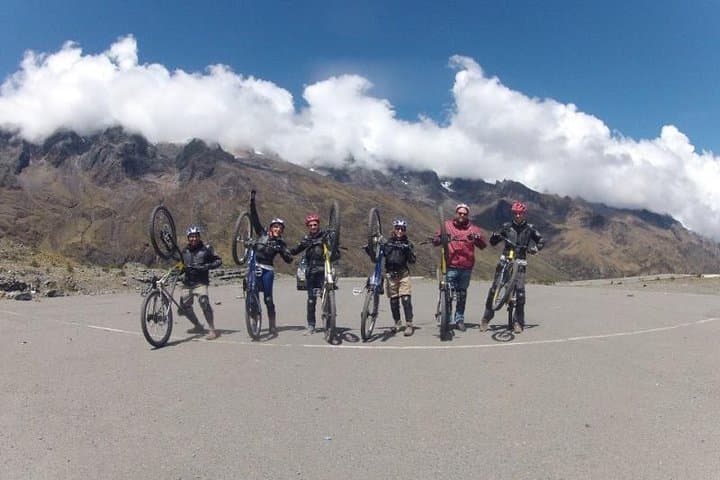
The morning air at Malaga High Pass is thin and bright: you pedal at 4,350 m, wind pressing against your face as cloud forest waits below. The descent is kinetic — mountain bike tires bite into dirt, rivers dare you to splash through, and warm jungle scents pull you toward Santa Maria.
Verified experiences and guided adventures in the surrounding area.
Operated by Bamba Travel · Aguas Calientes, Cusco Region
The morning air at Malaga High Pass is thin and bright: you pedal at 4,350 m, wind pressing against your face as cloud forest waits below. The descent is kinetic — mountain bike tires bite into dirt, rivers dare you to splash through, and warm jungle scents pull you toward Santa Maria.
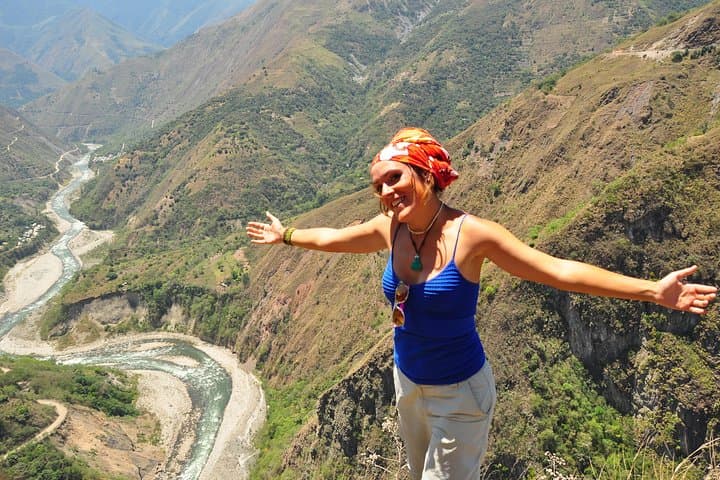
This four-day route threads Andean highlands into subtropical valleys. Geology shifts rapidly — granite and volcanic ridgelines give way to steep, eroded canyons carved by the Urubamba. You cross old Inca paths and ride past Huamanmarca ruins, reminders of pre-Columbian engineering that connect these landscapes. Local communities in Santa Maria and Santa Teresa offer a snapshot of contemporary Quechua life: market stalls, small farms, and steaming pachamanca lunches.
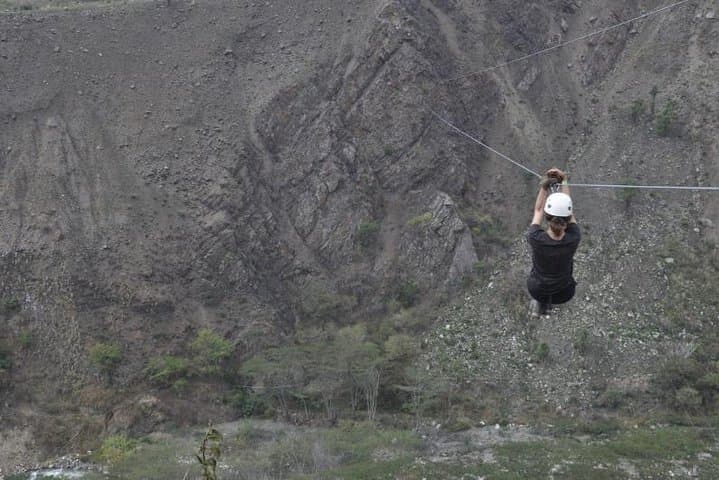
On day two you trade pedals for trekking boots and climb through cloud forest alive with orchids and hummingbirds. The third day’s zip-line and rail-to-hydro treks lead to Aguas Calientes, the town that ushers you toward Machu Picchu’s stone terraces at 2,430 m. Dawn at the citadel is a study in light and structure — terraces, plazas and the surrounding serrated peaks reveal Inca ingenuity against a dramatic backdrop.
Practical edge: prepare for big elevation swings (4,350 m down to ~1,680 m), varied terrain from singletrack to railway ballast, and 2–3 hour activity blocks (bike descent ~2.5 hrs; rafting ~2.5 hrs; hikes 3–6 hrs). Carry rain protection, layers for chilly mornings, and a small first-aid kit. With moderate fitness and some technical biking/rafting familiarity, this itinerary delivers high-adrenaline variety and direct access to Machu Picchu’s sunrise over stone and cloud.
moderate.
4 days.
Moderate to fit: expect sustained hiking and multi-hour activity blocks; prior cycling/rafting experience recommended
You should be comfortable riding downhill on mixed surfaces; guides provide equipment and safety briefings but technical confidence helps.
Activities are part of the itinerary but operators may offer alternatives or local time to rest—check availability ahead of booking.
Hikes range from moderate to strenuous with multi-hour sections and uneven terrain; expect sustained effort and elevation change.
Yes—options to upgrade trains or add extra nights in Aguas Calientes can usually be arranged at booking or locally for a fee.
The route follows corridors used for centuries, connecting Inca-era sites and modern Andean villages; Machu Picchu itself dates to the 15th century Inca period.
High visitor numbers and fragile cloud-forest ecosystems require staying on trails, minimizing plastics, and respecting permits and carrying capacity limits.
Bamba Travel operates guided outdoor trips and adventures with an emphasis on safety, stewardship, and memorable experiences.
The morning air at Malaga High Pass is thin and bright: you pedal at 4,350 m, wind pressing against your face as cloud forest waits below. The descent is kinetic — mountain bike tires bite into dirt, rivers dare you to splash through, and warm jungle scents pull you toward Santa Maria.
The morning air at Malaga High Pass is thin and bright: you pedal at 4,350 m, wind pressing against your face as cloud forest waits below. The descent is kinetic — mountain bike tires bite into dirt, rivers dare you to splash through, and warm jungle scents pull you toward Santa Maria.
This four-day route threads Andean highlands into subtropical valleys. Geology shifts rapidly — granite and volcanic ridgelines give way to steep, eroded canyons carved by the Urubamba. You cross old Inca paths and ride past Huamanmarca ruins, reminders of pre-Columbian engineering that connect these landscapes. Local communities in Santa Maria and Santa Teresa offer a snapshot of contemporary Quechua life: market stalls, small farms, and steaming pachamanca lunches.
On day two you trade pedals for trekking boots and climb through cloud forest alive with orchids and hummingbirds. The third day’s zip-line and rail-to-hydro treks lead to Aguas Calientes, the town that ushers you toward Machu Picchu’s stone terraces at 2,430 m. Dawn at the citadel is a study in light and structure — terraces, plazas and the surrounding serrated peaks reveal Inca ingenuity against a dramatic backdrop.
Practical edge: prepare for big elevation swings (4,350 m down to ~1,680 m), varied terrain from singletrack to railway ballast, and 2–3 hour activity blocks (bike descent ~2.5 hrs; rafting ~2.5 hrs; hikes 3–6 hrs). Carry rain protection, layers for chilly mornings, and a small first-aid kit. With moderate fitness and some technical biking/rafting familiarity, this itinerary delivers high-adrenaline variety and direct access to Machu Picchu’s sunrise over stone and cloud.