THE ADVENTURE COLLECTIVE® · Independent discovery and booking for outdoor travel

A compact four-day route from Tel Aviv that places you in Jerash’s Roman grid, Amman’s lively streets, and the red-rock corridors of Petra. Expect long drives, rich history, and hands-on cultural moments with Bedouin hosts.
A compact four-day route from Tel Aviv that places you in Jerash’s Roman grid, Amman’s lively streets, and the red-rock corridors of Petra. Expect long drives, rich history, and hands-on cultural moments with Bedouin hosts.
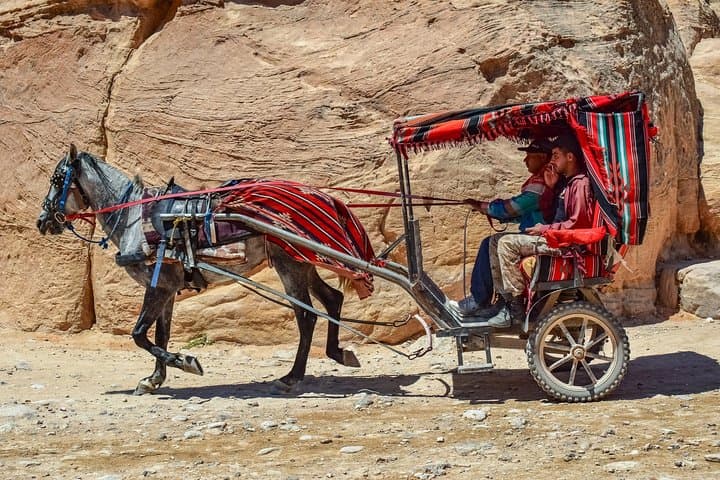
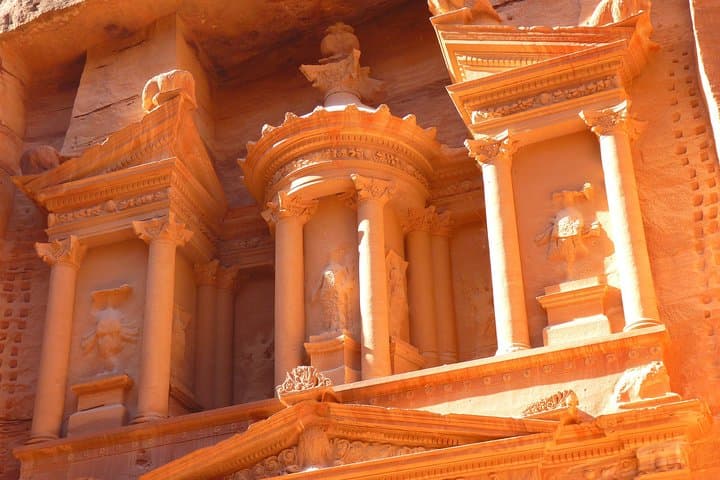
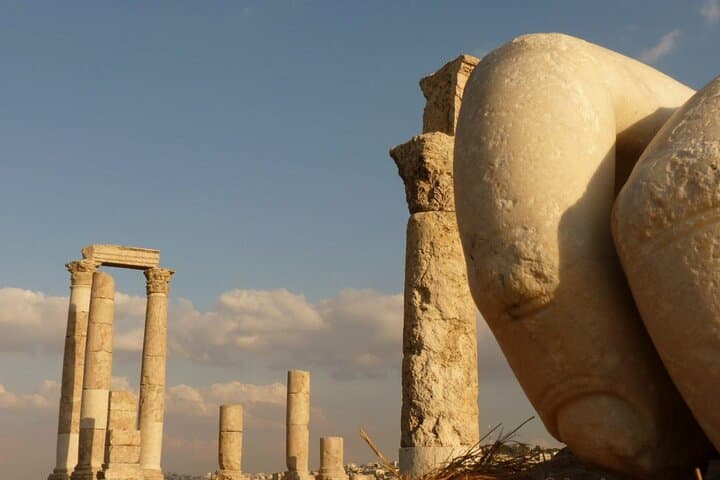
Dawn breaks over a dry valley as the shuttle slips across the border and into Jordan—olive terraces give way to ochre scrub, and the road narrows toward columns that have stood for two millennia. By midmorning you are walking Jerash’s colonnaded streets, where wind-worn stone still seems to whisper imperial processions. Later the desert draws you south to Petra: the Siq squeezes and then opens, revealing the Treasury carved directly from red sandstone; light plays across fluted facades and the canyon seems to dare you onward.
Verified experiences and guided adventures in the surrounding area.
Operated by Across Africa Tours LLC · Wadi Musa, Ma'an
Dawn breaks over a dry valley as the shuttle slips across the border and into Jordan—olive terraces give way to ochre scrub, and the road narrows toward columns that have stood for two millennia. By midmorning you are walking Jerash’s colonnaded streets, where wind-worn stone still seems to whisper imperial processions. Later the desert draws you south to Petra: the Siq squeezes and then opens, revealing the Treasury carved directly from red sandstone; light plays across fluted facades and the canyon seems to dare you onward.
This route threads Byzantine- and Roman-era ruins, Nabatean rock-cut architecture, and modern Amman’s layered neighborhoods. Geologically, Petra’s rose-hued cliffs are sandstone sculpted by flash floods and wind; Jerash rides a limestone plain that once felt the footfall of Roman legions. Culturally, expect warm hospitality, strong black coffee, and sweet knafeh in Amman markets; guides translate not just facts but the living continuity of Bedouin traditions around Wadi Musa.
Practically: pack sun protection, carry at least 2 liters for long Petra walks, and plan for long drives and border formalities. Wear broken-in walking shoes—the terrain alternates packed paths and carved rock—and schedule heavier sightseeing for morning light when temperatures are cooler. Respect archaeological zones by keeping to paths and photographing without climbing on fragile façades. With reasonable fitness and clear documents for the crossing, this four-day loop delivers a compact, high-impact portrait of Jordan’s past and present.
moderate.
4 days.
Good general fitness for walking on uneven stone, short climbs, and multi-hour sightseeing days; no special endurance required.
Visa rules vary by nationality—check current requirements before travel and have passport and any paperwork ready for the Sheikh Hussein or Allenby crossings.
You can see the main Treasury and nearby sites with moderate walking, but reaching the Monastery or higher viewpoints requires steep climbs and more fitness.
Jordanian dinar is used; smaller purchases may accept cards in Amman but carry cash in smaller towns; tipping guides and drivers is customary (small discretionary amounts).
Some elements are wheelchair accessible (as noted), but many archaeological sites have uneven stone and steps—confirm specifics with the operator if mobility is limited.
Petra was a Nabatean capital carved into sandstone around 2,000 years ago; Jerash preserves a remarkably intact Roman urban plan with theatres, temples, and a colonnaded forum.
High visitor numbers and erosion threaten fragile façades—stick to marked paths, avoid touching carved surfaces, and support local guides and community-run accommodations.
Across Africa Tours LLC operates guided outdoor trips and adventures with an emphasis on safety, stewardship, and memorable experiences.
Dawn breaks over a dry valley as the shuttle slips across the border and into Jordan—olive terraces give way to ochre scrub, and the road narrows toward columns that have stood for two millennia. By midmorning you are walking Jerash’s colonnaded streets, where wind-worn stone still seems to whisper imperial processions. Later the desert draws you south to Petra: the Siq squeezes and then opens, revealing the Treasury carved directly from red sandstone; light plays across fluted facades and the canyon seems to dare you onward.
Dawn breaks over a dry valley as the shuttle slips across the border and into Jordan—olive terraces give way to ochre scrub, and the road narrows toward columns that have stood for two millennia. By midmorning you are walking Jerash’s colonnaded streets, where wind-worn stone still seems to whisper imperial processions. Later the desert draws you south to Petra: the Siq squeezes and then opens, revealing the Treasury carved directly from red sandstone; light plays across fluted facades and the canyon seems to dare you onward.
This route threads Byzantine- and Roman-era ruins, Nabatean rock-cut architecture, and modern Amman’s layered neighborhoods. Geologically, Petra’s rose-hued cliffs are sandstone sculpted by flash floods and wind; Jerash rides a limestone plain that once felt the footfall of Roman legions. Culturally, expect warm hospitality, strong black coffee, and sweet knafeh in Amman markets; guides translate not just facts but the living continuity of Bedouin traditions around Wadi Musa.
Practically: pack sun protection, carry at least 2 liters for long Petra walks, and plan for long drives and border formalities. Wear broken-in walking shoes—the terrain alternates packed paths and carved rock—and schedule heavier sightseeing for morning light when temperatures are cooler. Respect archaeological zones by keeping to paths and photographing without climbing on fragile façades. With reasonable fitness and clear documents for the crossing, this four-day loop delivers a compact, high-impact portrait of Jordan’s past and present.