THE ADVENTURE COLLECTIVE® · Independent discovery and booking for outdoor travel

A compact four-day loop from the Sheikh Hussein crossing that stitches Jerash, Madaba, Mount Nebo, Kerak, Petra and an overnight in Wadi Rum into a single immersive itinerary. Expect archaeological grandeur, desert jeep rides, and a Bedouin camp under clear stars.
A compact four-day loop from the Sheikh Hussein crossing that stitches Jerash, Madaba, Mount Nebo, Kerak, Petra and an overnight in Wadi Rum into a single immersive itinerary. Expect archaeological grandeur, desert jeep rides, and a Bedouin camp under clear stars.
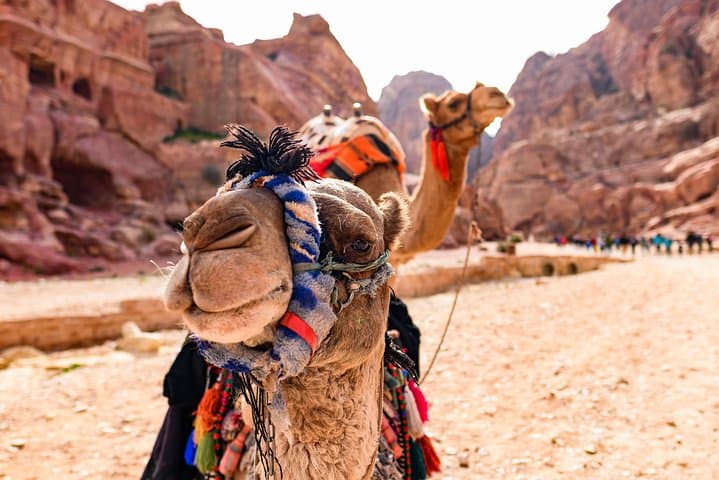
You step through a narrow ribbon of sandstone—the Siq—until the Treasury cuts into the light: rose-red rock towering and carved, the first reward after the long cross-border arrival at Sheikh Hussein.
Verified experiences and guided adventures in the surrounding area.
Operated by Zaid Tours and Travel · Wadi Musa, Ma'an Governorate
You step through a narrow ribbon of sandstone—the Siq—until the Treasury cuts into the light: rose-red rock towering and carved, the first reward after the long cross-border arrival at Sheikh Hussein.
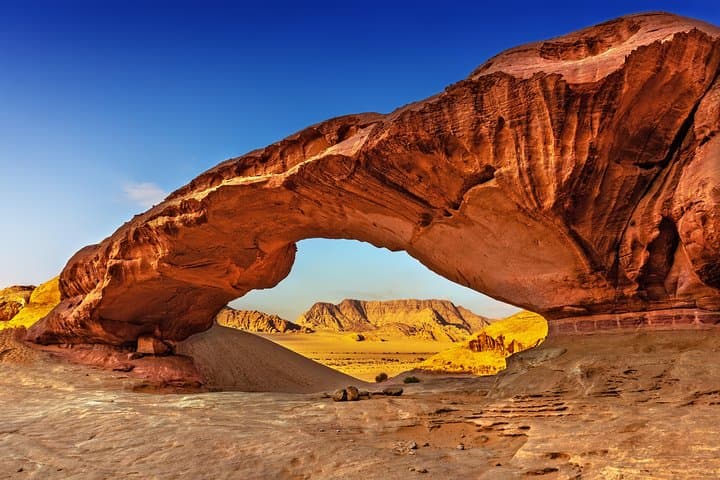
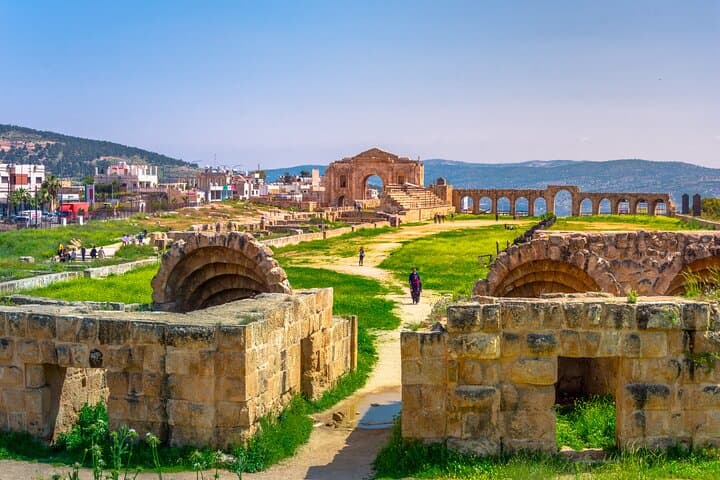
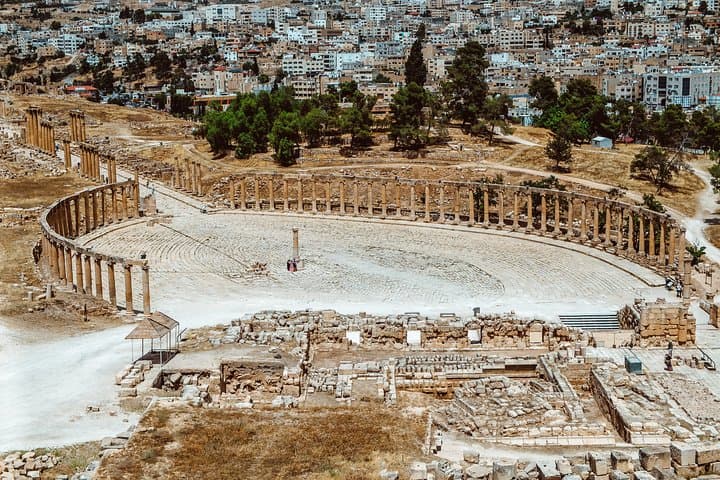
This four-day loop threads Jordan’s layers of history: Roman colonnades at Jerash, Byzantine mosaics in Madaba, the panoramic vantage at Mount Nebo where tradition places Moses’ view of the Jordan Valley, the Crusader bastion of Kerak, and the Nabatean city of Petra hewn from sandstone. Geology frames the journey: uplifted limestone and iron-rich sandstones weather into the rosy cliffs of Petra and the wind-sculpted towers of Wadi Rum, the “Valley of the Moon” where cinematic crews chased alien landscapes.
Culture and hospitality are constant companions—Bedouin camps in Wadi Rum host a simple dinner and storytelling under brilliant, low-humidity skies; Madaba’s Saint George Church preserves a 6th-century mosaic map that maps early sacred geographies.
Practically, expect walking across mixed terrain: Jerash paved ruins, Petra’s Siq (1.2 km) and uneven carved steps to the Monastery or High Place of Sacrifice (steep climbs, several hundred meters of elevation gain across stone steps). Wadi Rum is explored by 4x4 over sandy tracks during a classic 2‑hour jeep tour; overnight camp is basic but warm and dry.
Pack sun protection, sturdy shoes, and a refillable water bottle; start Petra at first light to avoid crowds and heat. Confirm border transfer instructions in advance and bring a valid passport (visa rules vary). With moderate fitness you’ll move comfortably through four distinct portraits of Jordan—archaeology, geology, desert night skies, and living Bedouin culture.
moderate.
3–4 days.
Moderate: be comfortable walking 4–6 hours total per day with stair climbs and uneven footing; basic conditioning recommended
Visa requirements depend on nationality—many nationalities can obtain a visa on arrival but confirm current rules and bring passports; if you hold a Jordan Pass, inform the operator to handle entrance fee reimbursements.
Petra includes a 1.2 km walk through the Siq and optional climbs to the Monastery or High Place of Sacrifice—expect uneven stone steps and several hundred meters of ascents for those viewpoints.
Overnight is in a Bedouin-style camp with basic but warm accommodations; a classic 2‑hour 4x4 jeep tour covers key rock formations and photo stops—comfort levels vary by camp standard chosen.
Some locations offer limited accessibility—transport and many hotels are wheelchair-accessible, but Petra’s Siq and cliff sites have narrow, uneven paths that are not fully suitable for wheelchairs without special arrangements.
The route maps Roman urbanism at Jerash, Byzantine Christian art in Madaba, Crusader fortifications at Kerak and the Nabatean engineering of Petra—each era left a distinct imprint on roads, stonework and religious sites.
Wadi Rum and Petra face visitor impact and erosion; stick to marked paths, minimize plastic use, respect Bedouin camp rules, and avoid climbing fragile rock faces to help preserve these landscapes.
Zaid Tours and Travel operates guided outdoor trips and adventures with an emphasis on safety, stewardship, and memorable experiences.
You step through a narrow ribbon of sandstone—the Siq—until the Treasury cuts into the light: rose-red rock towering and carved, the first reward after the long cross-border arrival at Sheikh Hussein.
You step through a narrow ribbon of sandstone—the Siq—until the Treasury cuts into the light: rose-red rock towering and carved, the first reward after the long cross-border arrival at Sheikh Hussein.
This four-day loop threads Jordan’s layers of history: Roman colonnades at Jerash, Byzantine mosaics in Madaba, the panoramic vantage at Mount Nebo where tradition places Moses’ view of the Jordan Valley, the Crusader bastion of Kerak, and the Nabatean city of Petra hewn from sandstone. Geology frames the journey: uplifted limestone and iron-rich sandstones weather into the rosy cliffs of Petra and the wind-sculpted towers of Wadi Rum, the “Valley of the Moon” where cinematic crews chased alien landscapes.
Culture and hospitality are constant companions—Bedouin camps in Wadi Rum host a simple dinner and storytelling under brilliant, low-humidity skies; Madaba’s Saint George Church preserves a 6th-century mosaic map that maps early sacred geographies.
Practically, expect walking across mixed terrain: Jerash paved ruins, Petra’s Siq (1.2 km) and uneven carved steps to the Monastery or High Place of Sacrifice (steep climbs, several hundred meters of elevation gain across stone steps). Wadi Rum is explored by 4x4 over sandy tracks during a classic 2‑hour jeep tour; overnight camp is basic but warm and dry.
Pack sun protection, sturdy shoes, and a refillable water bottle; start Petra at first light to avoid crowds and heat. Confirm border transfer instructions in advance and bring a valid passport (visa rules vary). With moderate fitness you’ll move comfortably through four distinct portraits of Jordan—archaeology, geology, desert night skies, and living Bedouin culture.