THE ADVENTURE COLLECTIVE® · Independent discovery and booking for outdoor travel

A four-day private loop through Jordan’s iconic landscapes—Amman, the Dead Sea, Petra and Wadi Rum—this itinerary blends ancient history, desert geology and Bedouin hospitality. Ideal for travelers who want concentrated highlights with private transfers and local guides.
A four-day private loop through Jordan’s iconic landscapes—Amman, the Dead Sea, Petra and Wadi Rum—this itinerary blends ancient history, desert geology and Bedouin hospitality. Ideal for travelers who want concentrated highlights with private transfers and local guides.
You turn a corner in the Siq and the canyon exhales—narrow walls of red sandstone compress light into a thin, golden slit. The Treasury appears as if someone carved a city out of the rock and then polished it to a sheen: fretted columns, Hellenistic pediments and Nabataean details catching the morning sun.
Verified experiences and guided adventures in the surrounding area.
Operated by BookingJordan.com · Wadi Musa, Ma'an Governorate
You turn a corner in the Siq and the canyon exhales—narrow walls of red sandstone compress light into a thin, golden slit. The Treasury appears as if someone carved a city out of the rock and then polished it to a sheen: fretted columns, Hellenistic pediments and Nabataean details catching the morning sun.
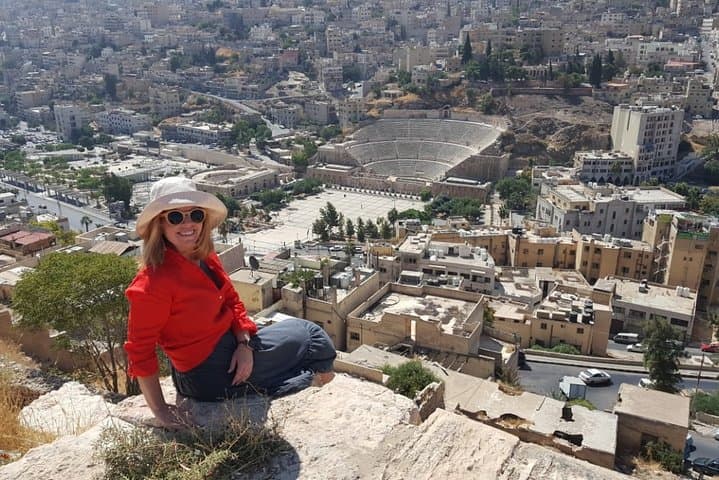
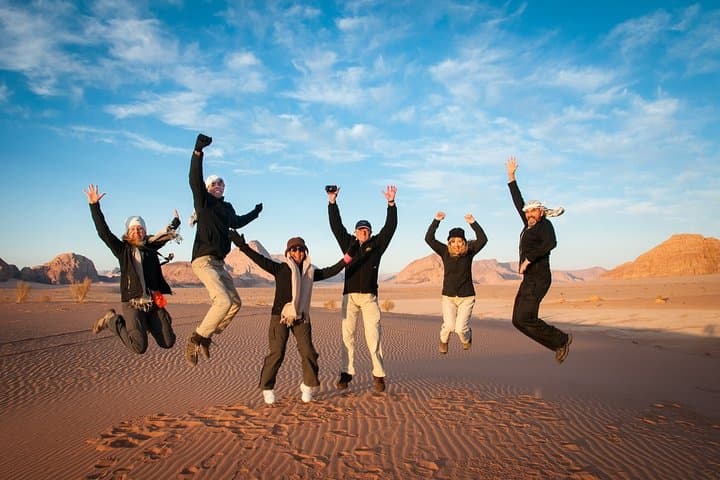
This four-day private tour stitches together Jordan’s headline acts: Amman’s layered citadel, the mineral-blanketed Dead Sea, Petra’s carved façades and the wind-sculpted moonscape of Wadi Rum. Each stop is an entry point into a different geological process and human story. Amman perches on 20 hills with Roman theaters and Ottoman cafés; the Dead Sea sits roughly 430 meters below sea level, an evaporative basin where salt gathers and people come to float; Petra is a 2,000-year-old Nabataean city carved into Cambrian sandstone; and Wadi Rum’s granite and sandstone towers are laced with Thamudic and Nabataean inscriptions and Bedouin camp tracks.
Culture threads through the trip: licensed spot guides unfurl Petra’s commercial past and the Nabataeans’ water-harvesting cleverness, while Bedouin drivers and families in Wadi Rum offer tea and conversation in desert camps. Geology matters here—wind and occasional flash floods sculpt the Siq and erode the rose-red cliffs into the façades that travelers line up to photograph.
Practical edge: the itinerary includes private transfers in air-conditioned vehicles, a two-hour licensed English-speaking guide in Petra (main trail), entrance fees to listed sites and a three-hour 4x4 tour in Wadi Rum. Note the Wadi Rum jeeps are older models with no air conditioning and no seatbelts; rides are bumpy and dusty. The tour assumes a moderate fitness level—expect several hours of walking in Petra on uneven stone and short climbs. It’s not recommended for pregnant travelers or those with serious back or heart conditions.
Timing is everything: start Petra at first light to avoid crowds and midday heat. Bring sturdy shoes, sun protection and at least 2–3 liters of water per day; reusable bottles are preferred to reduce plastic. For the Dead Sea, pack swimwear and water sandals—mud baths and flotation are part ritual, part practical. Respect local customs: modest dress in Amman and towns, and ask before photographing people.
Expect long drives—Amman to the Dead Sea is about an hour, Petra roughly 3–4 hours from Amman, and the Wadi Rum leg includes a 1.5-hour drive plus the three-hour jeep exploration. Bring layered clothing for desert nights when temperatures fall, and leave time to slow down: Jordan’s vistas reward those who look closely.
moderate.
4 days.
Moderate fitness: able to walk 3–6 hours on uneven terrain and tolerate long vehicle transfers.
Yes—entrance fees to the mentioned sites are included in the tour price.
An English-speaking licensed spot guide is included for the main Petra trail for about two hours; after that you have free time to explore.
Infant seats are available, but Petra and Wadi Rum involve uneven terrain and bumpy jeep rides—consider your child’s tolerance for walking and dust.
Swimwear and water sandals are recommended; bring a towel and clothes for covering up after floating—salt can irritate fabrics.
The jeeps are older and may lack seatbelts or AC; operators are experienced, but the ride is rough—people with back or heart issues should avoid it.
Tipping is customary: consider tipping the driver and guide at the end of service; small tips for Bedouin hosts in Wadi Rum are appreciated.
Petra was built by the Nabataeans around the 6th century B.C. as a caravan and water-management hub; Wadi Rum contains ancient Thamudic and Nabataean rock inscriptions.
Water scarcity and the shrinking Dead Sea are key concerns—use hotel water sparingly, avoid swimming if you have open wounds, and stick to marked paths to protect fragile desert crusts.
BookingJordan.com operates guided outdoor trips and adventures with an emphasis on safety, stewardship, and memorable experiences.
You turn a corner in the Siq and the canyon exhales—narrow walls of red sandstone compress light into a thin, golden slit. The Treasury appears as if someone carved a city out of the rock and then polished it to a sheen: fretted columns, Hellenistic pediments and Nabataean details catching the morning sun.
You turn a corner in the Siq and the canyon exhales—narrow walls of red sandstone compress light into a thin, golden slit. The Treasury appears as if someone carved a city out of the rock and then polished it to a sheen: fretted columns, Hellenistic pediments and Nabataean details catching the morning sun.
This four-day private tour stitches together Jordan’s headline acts: Amman’s layered citadel, the mineral-blanketed Dead Sea, Petra’s carved façades and the wind-sculpted moonscape of Wadi Rum. Each stop is an entry point into a different geological process and human story. Amman perches on 20 hills with Roman theaters and Ottoman cafés; the Dead Sea sits roughly 430 meters below sea level, an evaporative basin where salt gathers and people come to float; Petra is a 2,000-year-old Nabataean city carved into Cambrian sandstone; and Wadi Rum’s granite and sandstone towers are laced with Thamudic and Nabataean inscriptions and Bedouin camp tracks.
Culture threads through the trip: licensed spot guides unfurl Petra’s commercial past and the Nabataeans’ water-harvesting cleverness, while Bedouin drivers and families in Wadi Rum offer tea and conversation in desert camps. Geology matters here—wind and occasional flash floods sculpt the Siq and erode the rose-red cliffs into the façades that travelers line up to photograph.
Practical edge: the itinerary includes private transfers in air-conditioned vehicles, a two-hour licensed English-speaking guide in Petra (main trail), entrance fees to listed sites and a three-hour 4x4 tour in Wadi Rum. Note the Wadi Rum jeeps are older models with no air conditioning and no seatbelts; rides are bumpy and dusty. The tour assumes a moderate fitness level—expect several hours of walking in Petra on uneven stone and short climbs. It’s not recommended for pregnant travelers or those with serious back or heart conditions.
Timing is everything: start Petra at first light to avoid crowds and midday heat. Bring sturdy shoes, sun protection and at least 2–3 liters of water per day; reusable bottles are preferred to reduce plastic. For the Dead Sea, pack swimwear and water sandals—mud baths and flotation are part ritual, part practical. Respect local customs: modest dress in Amman and towns, and ask before photographing people.
Expect long drives—Amman to the Dead Sea is about an hour, Petra roughly 3–4 hours from Amman, and the Wadi Rum leg includes a 1.5-hour drive plus the three-hour jeep exploration. Bring layered clothing for desert nights when temperatures fall, and leave time to slow down: Jordan’s vistas reward those who look closely.