THE ADVENTURE COLLECTIVE® · Independent discovery and booking for outdoor travel

A compact four-day loop from Yogyakarta to Ketapang links Borobudur and Prambanan with sunrise at Bromo and a predawn hike into Ijen crater. Expect temple archaeology, jeep transfers across a Sea of Sand, steep crater trails and encounters with local sulphur miners.
A compact four-day loop from Yogyakarta to Ketapang links Borobudur and Prambanan with sunrise at Bromo and a predawn hike into Ijen crater. Expect temple archaeology, jeep transfers across a Sea of Sand, steep crater trails and encounters with local sulphur miners.
At dawn the train pulls away from Yogyakarta and the landscape opens into Java’s mix of rice paddies, volcanic ridges and lowland towns. Travelers step from first-class seats into temple courtyards of carved stone, then trade silk batiks and city bustle for jeep dust and a black-sand sea beneath Bromo’s rim. By the third morning the air is thin, cool and laced with faint sulphur—this is the rhythm of a four-day circuit that stitches culture to raw geology.
Verified experiences and guided adventures in the surrounding area.
Operated by Smartine Indonesia Travel · Cemara Lawang, East Java
At dawn the train pulls away from Yogyakarta and the landscape opens into Java’s mix of rice paddies, volcanic ridges and lowland towns. Travelers step from first-class seats into temple courtyards of carved stone, then trade silk batiks and city bustle for jeep dust and a black-sand sea beneath Bromo’s rim. By the third morning the air is thin, cool and laced with faint sulphur—this is the rhythm of a four-day circuit that stitches culture to raw geology.
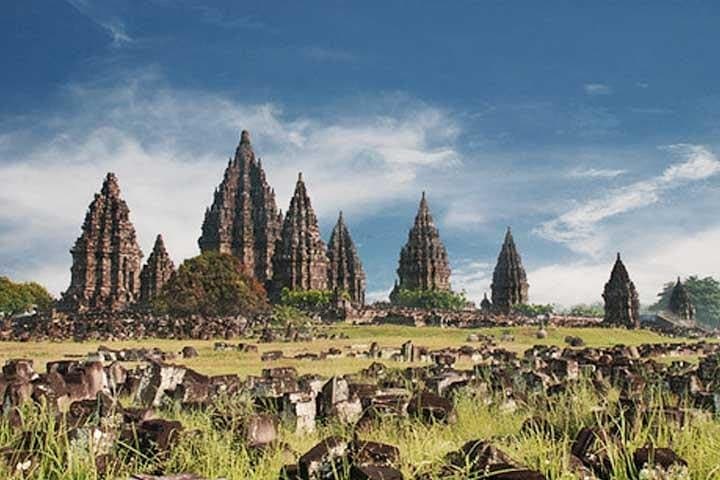
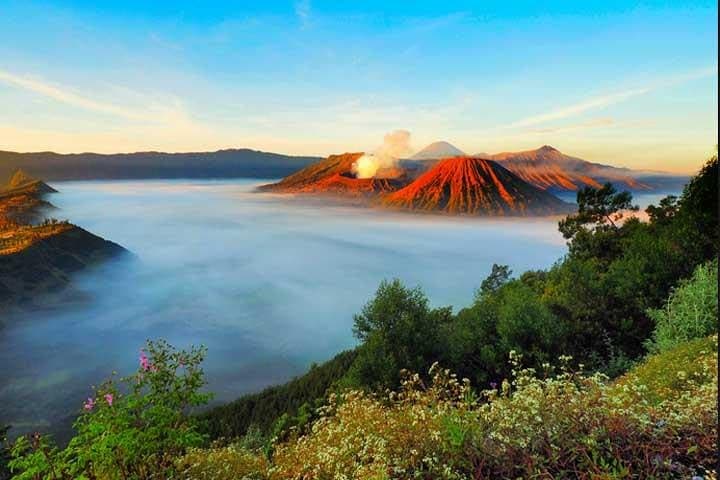
The route pairs two UNESCO monuments—Borobudur (8th-century Mahayana Buddhist reliefs and stupas) and Prambanan (9th-century Hindu shrine complexes)—with the island’s volcanic backbone: the Tengger caldera that frames Mount Bromo and the acidic turquoise lake of Ijen. Geologically, visitors move from older andesite-and-lava plateaus to recent pyroclastic fields and active hydrothermal zones where sulphur veins feed local miners.
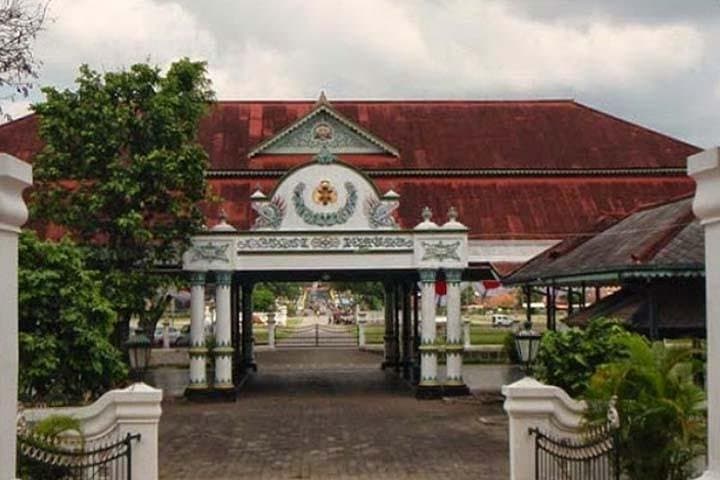
Culturally, Yogyakarta remains the island’s arts capital—batik, gamelan and Javanese court traditions—while the Tengger people maintain Hindu practices distinct from surrounding communities. Practical travel notes: expect early starts for Bromo and Ijen sunrises; jeep transfers, short steep hikes (Bromo ~45 min from the Sea of Sand; Ijen ~1.5 hours, ~3 km with steep sections), and occasional wet clothes at Madakaripura waterfall. Pack layers, a respirator or good filter mask for Ijen, sturdy shoes, and a headlamp for predawn treks. Allow extra time for train connections and ferry transfers at Ketapang. The itinerary rewards travelers who want concentrated culture, dramatic volcanic scenery and direct encounters with both ancient temples and living local industries.
moderate.
4 days.
Suitable for travelers with moderate fitness who can handle 1–3 hour hikes, steep sections and several early starts.
When accompanied by a local guide and using a respirator, the marked trail to the Ijen rim is commonly climbed; maintain distance from active fumaroles and miners for safety.
Borobudur and Prambanan admissions are listed as included on the itinerary, but bring cash for optional museum entries or additional site services.
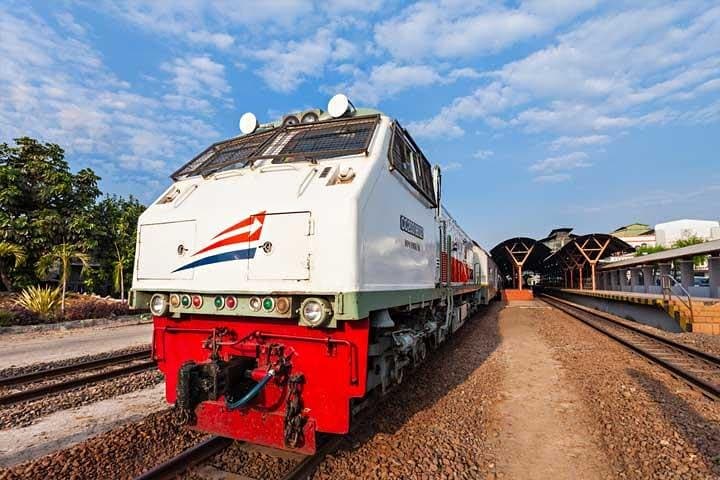
The tour includes a first-class train ticket Yogyakarta–Malang and ends at Ketapang harbour where travelers can take the ferry to Bali; confirm times with your operator.
Children can join but must be accompanied by adults; note the early-morning departures and steep/slippery hikes which may be challenging for very young kids.
Borobudur (8th century) and Prambanan (9th century) reflect Java’s historical religious shifts; the Tengger people kept Hindu practices while much of Java adopted Islam.
Volcanic calderas are fragile: stick to marked paths, avoid discarding waste, and heed local guidance to reduce impact on miner communities and ecosystems.
Smartine Indonesia Travel operates guided outdoor trips and adventures with an emphasis on safety, stewardship, and memorable experiences.
At dawn the train pulls away from Yogyakarta and the landscape opens into Java’s mix of rice paddies, volcanic ridges and lowland towns. Travelers step from first-class seats into temple courtyards of carved stone, then trade silk batiks and city bustle for jeep dust and a black-sand sea beneath Bromo’s rim. By the third morning the air is thin, cool and laced with faint sulphur—this is the rhythm of a four-day circuit that stitches culture to raw geology.
At dawn the train pulls away from Yogyakarta and the landscape opens into Java’s mix of rice paddies, volcanic ridges and lowland towns. Travelers step from first-class seats into temple courtyards of carved stone, then trade silk batiks and city bustle for jeep dust and a black-sand sea beneath Bromo’s rim. By the third morning the air is thin, cool and laced with faint sulphur—this is the rhythm of a four-day circuit that stitches culture to raw geology.
The route pairs two UNESCO monuments—Borobudur (8th-century Mahayana Buddhist reliefs and stupas) and Prambanan (9th-century Hindu shrine complexes)—with the island’s volcanic backbone: the Tengger caldera that frames Mount Bromo and the acidic turquoise lake of Ijen. Geologically, visitors move from older andesite-and-lava plateaus to recent pyroclastic fields and active hydrothermal zones where sulphur veins feed local miners.
Culturally, Yogyakarta remains the island’s arts capital—batik, gamelan and Javanese court traditions—while the Tengger people maintain Hindu practices distinct from surrounding communities. Practical travel notes: expect early starts for Bromo and Ijen sunrises; jeep transfers, short steep hikes (Bromo ~45 min from the Sea of Sand; Ijen ~1.5 hours, ~3 km with steep sections), and occasional wet clothes at Madakaripura waterfall. Pack layers, a respirator or good filter mask for Ijen, sturdy shoes, and a headlamp for predawn treks. Allow extra time for train connections and ferry transfers at Ketapang. The itinerary rewards travelers who want concentrated culture, dramatic volcanic scenery and direct encounters with both ancient temples and living local industries.