THE ADVENTURE COLLECTIVE® · Independent discovery and booking for outdoor travel

Explore Jaisalmer’s ancient fort, carved Havelis and a night under the stars on a camel-led desert camp. This four-day package mixes cultural sightseeing with an easy desert safari—ideal for travelers seeking history and open-sky adventure.
Explore Jaisalmer’s ancient fort, carved Havelis and a night under the stars on a camel-led desert camp. This four-day package mixes cultural sightseeing with an easy desert safari—ideal for travelers seeking history and open-sky adventure.
Dust lifts off the road as the jeep slows into Jaisalmer’s honey-colored silhouette—its fort rising from the city like a weathered citadel of stone. Daylight sketches filigreed windows and narrow bazaars; by afternoon the Thar’s wind begins to shape the dunes, pushing them into new horizons for the evening camp.
Verified experiences and guided adventures in the surrounding area.
Operated by Indian Travel Online · Jaisalmer, Rajasthan
Dust lifts off the road as the jeep slows into Jaisalmer’s honey-colored silhouette—its fort rising from the city like a weathered citadel of stone. Daylight sketches filigreed windows and narrow bazaars; by afternoon the Thar’s wind begins to shape the dunes, pushing them into new horizons for the evening camp.
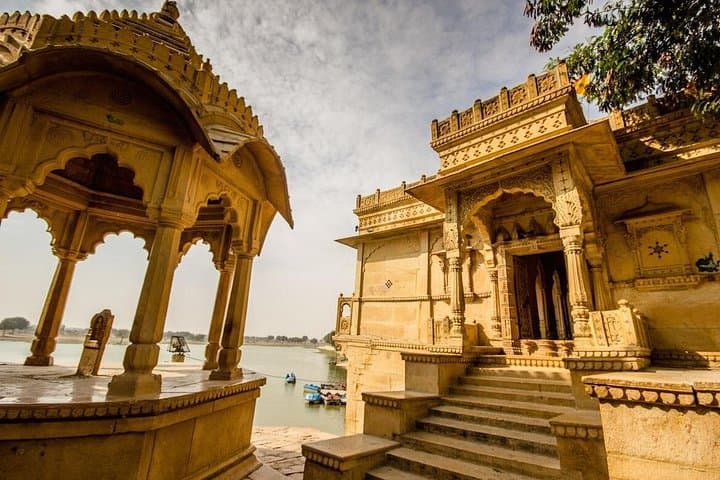
Jaisalmer grew wealthy on caravan trade routes between India and Central Asia; the fort and ornate Havelis date to the 12th–15th centuries, when sandstone carving became a local craft. Geologically, the Thar is an arid plain of wind-blown sand and hardpan, where isolated saltwater lakes like Gadisar collect migratory birds and local lore. Culturally, nights in camp highlight Rajasthani music and dance—an opportunity to see living craft traditions and sample regional cuisine.
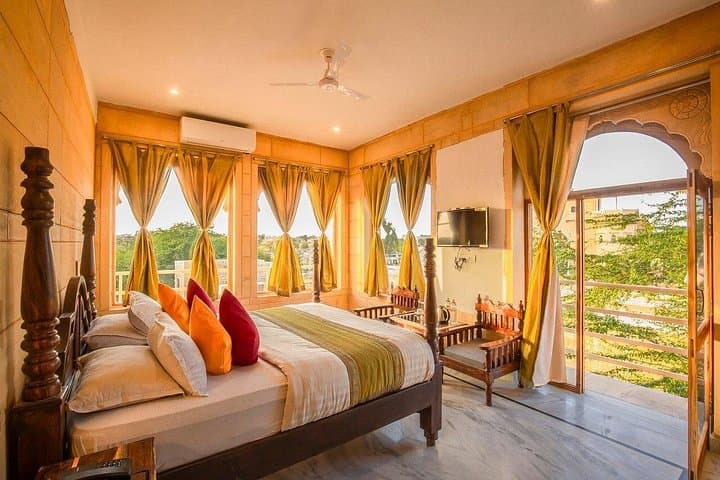
This four-day package blends low-impact sightseeing in the walled city with an overnight desert camp and camel safari. Travelers can expect paved streets, some uneven carved stone steps inside the fort, a short drive out to Sam or Khuri dunes, and comfortable mid-range hotels or Swiss-style tents with basic en-suite facilities at camp.
Practical guidance: travel light with sun protection and a reusable water bottle, time walks for early morning or late afternoon to avoid peak heat, and carry small-denomination cash for local vendors. Respect local dress codes at religious sites and support community-run crafts to keep tourism sustainable. With basic mobility and an appetite for wide-open skies, the trip offers immersive history and easy desert adventure.
easy.
4 days.
Suitable for travelers in average physical condition who can handle short walks, some stairs and one overnight in a desert tent.
Yes—the desert safari portion typically includes a short camel ride and transport to a desert camp, though specifics can vary so confirm at booking.
Accommodations are generally 3-star hotels in town with a one-night stay in a desert camp or Swiss tent that usually offers basic en-suite or attached facilities.
The operator lists wheelchair-accessible options for transport and some sites, but narrow streets and fort steps can limit access—check details with the provider for personalized arrangements.
October through March provides the most comfortable temperatures for sightseeing and overnight camps; avoid peak summer months if sensitive to heat.
Jaisalmer rose to prominence in the 12th century as a fortified trading post on caravan routes; the city’s sandstone architecture reflects wealth from salt and spice trade.
Water is scarce in the Thar—carry reusable containers and minimize waste; support local guides and community-run camps to ensure tourism benefits residents.
Indian Travel Online operates guided outdoor trips and adventures with an emphasis on safety, stewardship, and memorable experiences.
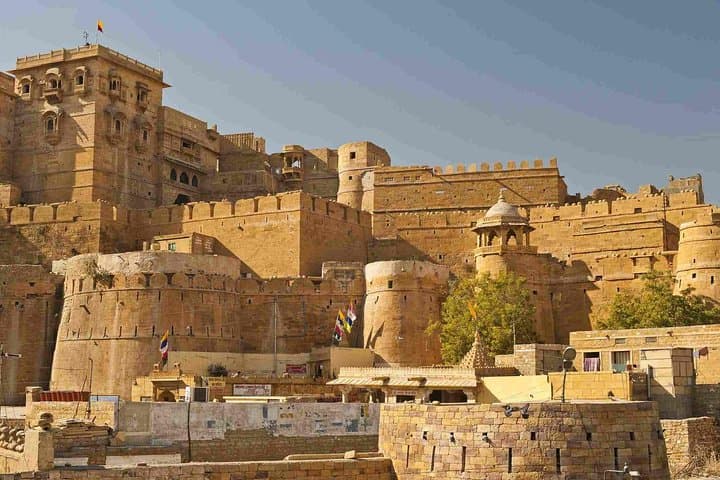
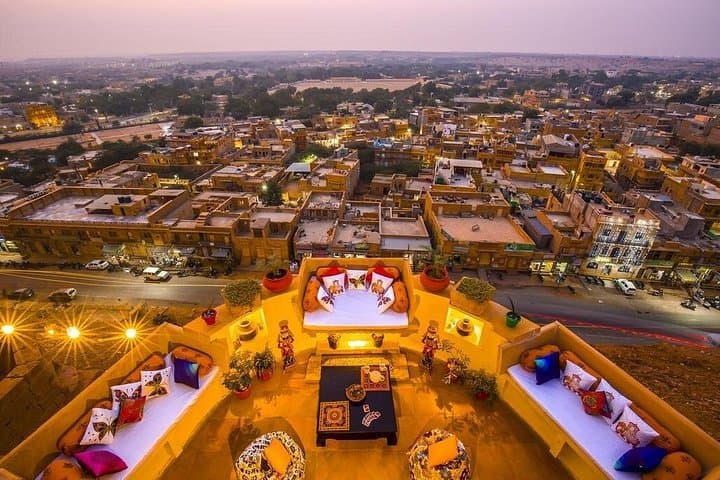
Dust lifts off the road as the jeep slows into Jaisalmer’s honey-colored silhouette—its fort rising from the city like a weathered citadel of stone. Daylight sketches filigreed windows and narrow bazaars; by afternoon the Thar’s wind begins to shape the dunes, pushing them into new horizons for the evening camp.
Dust lifts off the road as the jeep slows into Jaisalmer’s honey-colored silhouette—its fort rising from the city like a weathered citadel of stone. Daylight sketches filigreed windows and narrow bazaars; by afternoon the Thar’s wind begins to shape the dunes, pushing them into new horizons for the evening camp.
Jaisalmer grew wealthy on caravan trade routes between India and Central Asia; the fort and ornate Havelis date to the 12th–15th centuries, when sandstone carving became a local craft. Geologically, the Thar is an arid plain of wind-blown sand and hardpan, where isolated saltwater lakes like Gadisar collect migratory birds and local lore. Culturally, nights in camp highlight Rajasthani music and dance—an opportunity to see living craft traditions and sample regional cuisine.
This four-day package blends low-impact sightseeing in the walled city with an overnight desert camp and camel safari. Travelers can expect paved streets, some uneven carved stone steps inside the fort, a short drive out to Sam or Khuri dunes, and comfortable mid-range hotels or Swiss-style tents with basic en-suite facilities at camp.
Practical guidance: travel light with sun protection and a reusable water bottle, time walks for early morning or late afternoon to avoid peak heat, and carry small-denomination cash for local vendors. Respect local dress codes at religious sites and support community-run crafts to keep tourism sustainable. With basic mobility and an appetite for wide-open skies, the trip offers immersive history and easy desert adventure.