THE ADVENTURE COLLECTIVE® · Independent discovery and booking for outdoor travel

Cover Jaipur’s forts, safari Ranthambore for a chance at tigers, and sunrise at the Taj Mahal on a compact four‑day route with driver and local guides. Expect long drives, short safaris, and guided city visits that prioritize site access and timing.
Cover Jaipur’s forts, safari Ranthambore for a chance at tigers, and sunrise at the Taj Mahal on a compact four‑day route with driver and local guides. Expect long drives, short safaris, and guided city visits that prioritize site access and timing.
Morning light washes over Jaipur’s pink facades as a driver collects the group for a four-day loop through Rajasthan’s layered history and wildlife. The itinerary moves with steady purpose: a guided circuit of Jaipur’s forts and observatory, a game drive that chases tiger tracks in Ranthambore, then the monumental hush of the Taj Mahal at dawn before a final transfer to Delhi.
Verified experiences and guided adventures in the surrounding area.
Operated by Unseen Tours and Travels · Jaipur, Rajasthan
Morning light washes over Jaipur’s pink facades as a driver collects the group for a four-day loop through Rajasthan’s layered history and wildlife. The itinerary moves with steady purpose: a guided circuit of Jaipur’s forts and observatory, a game drive that chases tiger tracks in Ranthambore, then the monumental hush of the Taj Mahal at dawn before a final transfer to Delhi.
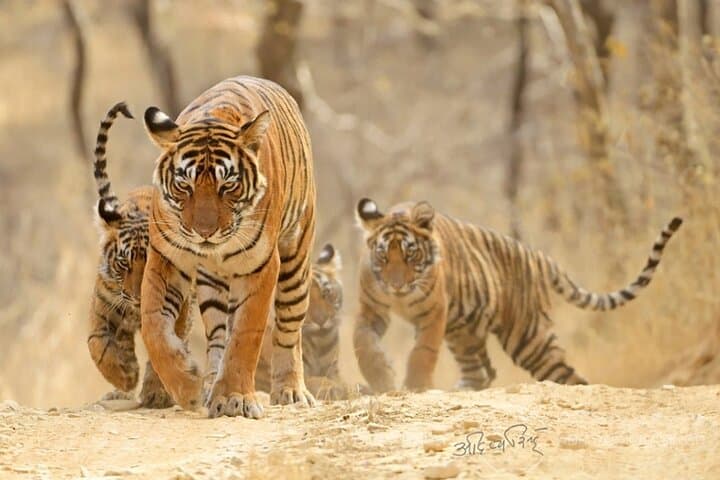
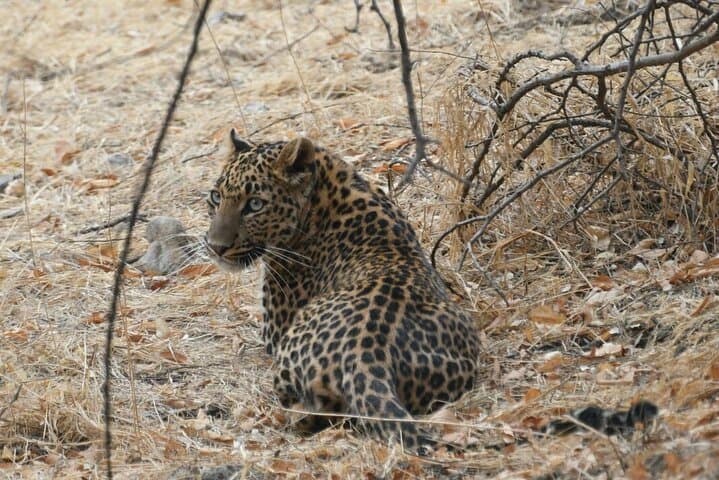
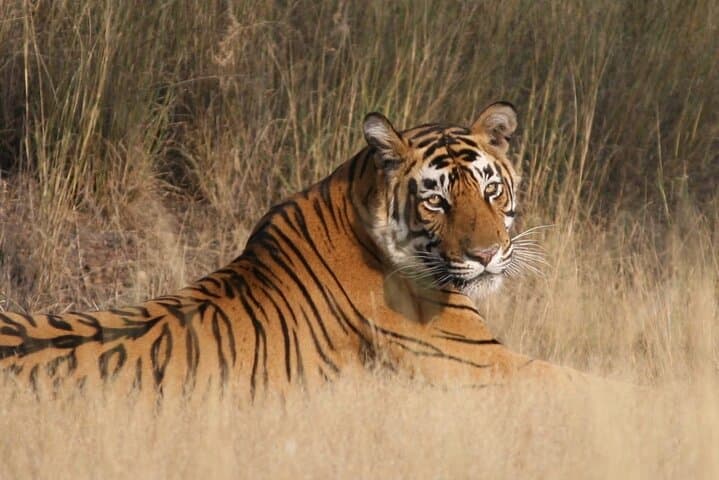
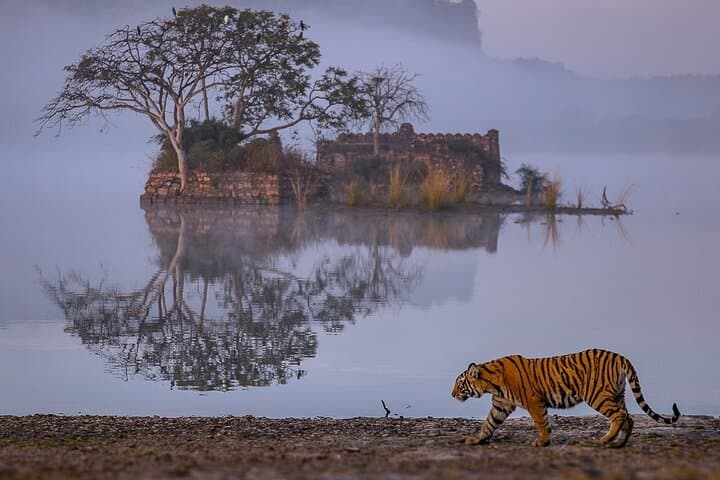
The route stitches Rajput palaces and Mughal mausolea together with former royal hunting grounds. Amber Fort and City Palace illustrate 18th‑century Jaipur planning and Sikh‑Rajput craftsmanship; Jantar Mantar records pre-modern astronomical ambition. Ranthambore sits on Vindhya‑age rock, its ruins and lakes framing Bengal tiger habitat that conservation efforts have slowly restored. Agra’s Taj Mahal and Agra Fort reflect Mughal imperial power and stone carving techniques developed over centuries.
Practically, expect long road transfers—Jaipur to Ranthambore ≈160 km (3–4 hrs), Ranthambore to Agra ≈289 km (5–6 hrs), Agra to Delhi ≈250 km (4–5 hrs). Wildlife sightings are never guaranteed; safari windows are short (about 3 hours) and depend on park timing. Guides in Jaipur and Agra handle monument logistics and can speed entry with prearranged tickets if included. Pack for heat and dust, bring binoculars and a light daypack, and schedule the Taj for early morning light to avoid crowds and extreme heat.
This tour balances cultural immersion with wildlife glimpses—efficient for travelers who want heritage, a chance at tigers, and a sunrise at one of the world’s most photographed monuments.
moderate.
4 days.
Suitable for travelers in average fitness who can handle several hours of walking, short hikes around forts, and multiple long vehicle transfers.
No; sightings depend on animal movement and luck. Ranthambore increases chance during early mornings and dry months when tigers use waterholes.
Some tour options include monument entry (often with premium packages); confirm at booking—otherwise expect to pay at gates or have it billed as an add‑on.
Local guides are commonly English‑speaking for Jaipur and Agra; request language preferences when booking to ensure a compatible guide.
Pickup points and drop‑off are typically arranged—this itinerary includes pickup in Jaipur and a drop in Delhi; specify pickup location and flight details when booking.
The route threads Rajput capital planning (Jaipur, founded 1727) and Mughal-era architecture in Agra, reflecting centuries of regional power shifts and stonecraft.
Ranthambore is part of India’s Project Tiger network; visitors should follow park rules, avoid litter, and support accredited guides to reduce disturbance.
Unseen Tours and Travels operates guided outdoor trips and adventures with an emphasis on safety, stewardship, and memorable experiences.
Morning light washes over Jaipur’s pink facades as a driver collects the group for a four-day loop through Rajasthan’s layered history and wildlife. The itinerary moves with steady purpose: a guided circuit of Jaipur’s forts and observatory, a game drive that chases tiger tracks in Ranthambore, then the monumental hush of the Taj Mahal at dawn before a final transfer to Delhi.
Morning light washes over Jaipur’s pink facades as a driver collects the group for a four-day loop through Rajasthan’s layered history and wildlife. The itinerary moves with steady purpose: a guided circuit of Jaipur’s forts and observatory, a game drive that chases tiger tracks in Ranthambore, then the monumental hush of the Taj Mahal at dawn before a final transfer to Delhi.
The route stitches Rajput palaces and Mughal mausolea together with former royal hunting grounds. Amber Fort and City Palace illustrate 18th‑century Jaipur planning and Sikh‑Rajput craftsmanship; Jantar Mantar records pre-modern astronomical ambition. Ranthambore sits on Vindhya‑age rock, its ruins and lakes framing Bengal tiger habitat that conservation efforts have slowly restored. Agra’s Taj Mahal and Agra Fort reflect Mughal imperial power and stone carving techniques developed over centuries.
Practically, expect long road transfers—Jaipur to Ranthambore ≈160 km (3–4 hrs), Ranthambore to Agra ≈289 km (5–6 hrs), Agra to Delhi ≈250 km (4–5 hrs). Wildlife sightings are never guaranteed; safari windows are short (about 3 hours) and depend on park timing. Guides in Jaipur and Agra handle monument logistics and can speed entry with prearranged tickets if included. Pack for heat and dust, bring binoculars and a light daypack, and schedule the Taj for early morning light to avoid crowds and extreme heat.
This tour balances cultural immersion with wildlife glimpses—efficient for travelers who want heritage, a chance at tigers, and a sunrise at one of the world’s most photographed monuments.