THE ADVENTURE COLLECTIVE® · Independent discovery and booking for outdoor travel

A four-day, guided hike along the classic Inca Trail from Km 82 to Machu Picchu with camp accommodations, chef-prepared meals, porters and return transport. Expect high-altitude passes, cloud-forest descent and a sunrise arrival at the Sun Gate.
A four-day, guided hike along the classic Inca Trail from Km 82 to Machu Picchu with camp accommodations, chef-prepared meals, porters and return transport. Expect high-altitude passes, cloud-forest descent and a sunrise arrival at the Sun Gate.
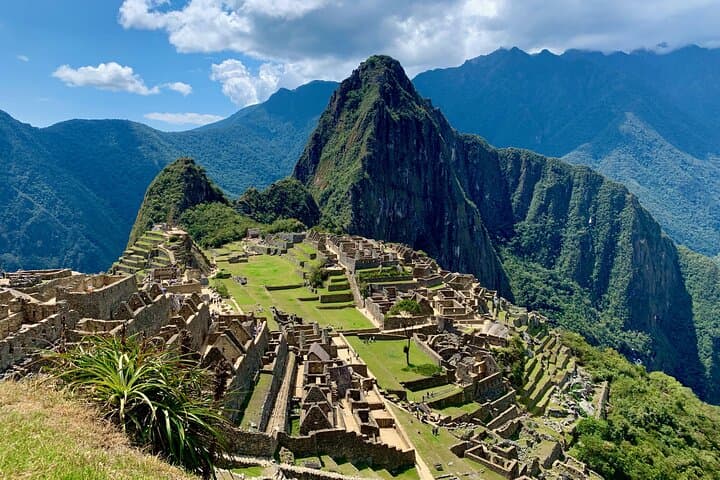
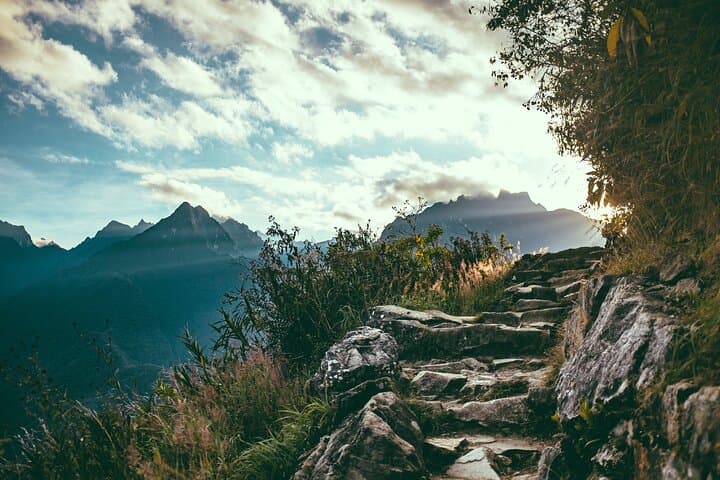
Dawn breaks over the high Andes and the trail ahead is a ribbon of stone and mist. On day one hikers leave Cusco before sunrise, moving through the Sacred Valley toward Km 82, where the Inca Trail threads forested gullies and stepped terraces toward a horizon of cloud-scrubbed peaks. The path pushes upward, and the air grows thinner; the mountains seem to watch, their ridges daring you past ancient walls and highland watercourses.
Verified experiences and guided adventures in the surrounding area.
Operated by Machu Picchu Tours · Cusco, Cusco
Dawn breaks over the high Andes and the trail ahead is a ribbon of stone and mist. On day one hikers leave Cusco before sunrise, moving through the Sacred Valley toward Km 82, where the Inca Trail threads forested gullies and stepped terraces toward a horizon of cloud-scrubbed peaks. The path pushes upward, and the air grows thinner; the mountains seem to watch, their ridges daring you past ancient walls and highland watercourses.
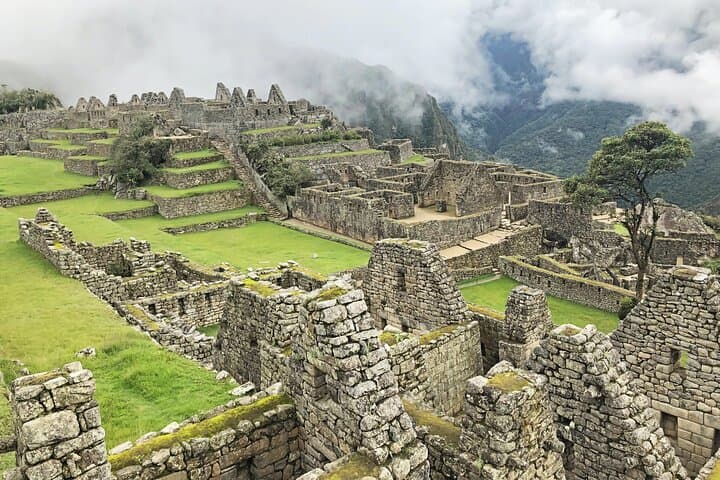
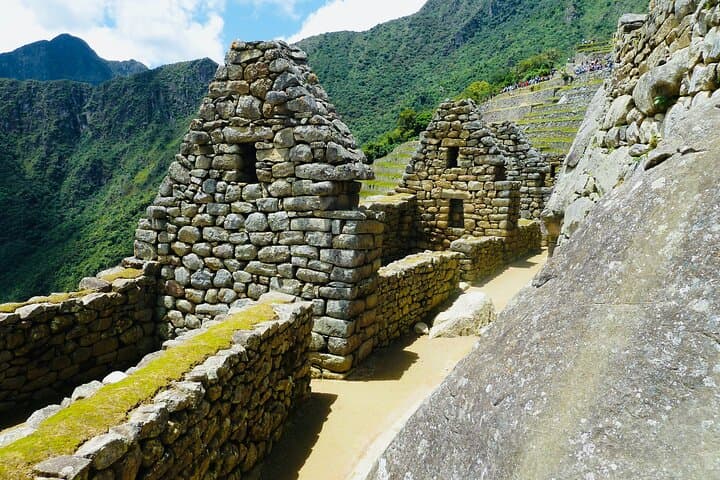
This route follows an original Inca artery that once linked communities across varied ecosystems — from alpine tundra and puna to cloud forest. Along the way trekkers pass pre-Hispanic ruins such as Puyupatamarca and Wiñay Wayna, sites that reveal Inca engineering and agricultural terraces carved into steep slopes. Geologically the corridor runs on folded Andean formations that create steep passes like Warmiwañuska (Dead Woman’s Pass) at 4,215 m.a.s.l., and then descends into the humid belt where orchids cling to mossy stone.
Practically, the itinerary is organized: camping each night in two-person tents, meals prepared by a chef, personal porter service for 6 kg, and guided entry through the Sun Gate at Machu Picchu for sunrise. Expect long days on uneven stone staircases, altitude swings, and variable weather — sun can be sudden, and rain can arrive within hours. Hydrate, layer for temperature swings, break in waterproof boots, and acclimatize in Cusco for 48–72 hours beforehand. Trained guides and included oxygen bottles increase safety, but this is a physically demanding, high-altitude trek that rewards stamina with one of the most singular archaeological views on earth.
challenging.
4 days.
Good cardiovascular fitness with experience in multi-day hiking; able to handle long ascents and high altitude.
Yes — permits are required and limited; reputable operators include the permit in booking and must register you with government records.
It’s the highest and most strenuous ascent on day two (4,215 m); steep stone steps and altitude make it tough even for fit hikers—pacing and hydration are key.
Yes — this tour includes meals (breakfast, lunches, dinners), a chef, 2-person tents, sleeping mattresses and a duffel for porters to carry your 6 kg allowance.
Climb tickets are limited and separate; inform the operator when booking so they can secure an additional Huayna Picchu entrance, otherwise it may not be available.
The Inca Trail was an imperial route used for transport, pilgrimage and administrative control, linking the Sacred Valley to the citadel of Machu Picchu.
Strict permit limits and guided-only access are designed to protect fragile archaeological sites and fragile cloud-forest ecosystems; stick to established trails and avoid single-use plastics.
Machu Picchu Tours operates guided outdoor trips and adventures with an emphasis on safety, stewardship, and memorable experiences.
Dawn breaks over the high Andes and the trail ahead is a ribbon of stone and mist. On day one hikers leave Cusco before sunrise, moving through the Sacred Valley toward Km 82, where the Inca Trail threads forested gullies and stepped terraces toward a horizon of cloud-scrubbed peaks. The path pushes upward, and the air grows thinner; the mountains seem to watch, their ridges daring you past ancient walls and highland watercourses.
Dawn breaks over the high Andes and the trail ahead is a ribbon of stone and mist. On day one hikers leave Cusco before sunrise, moving through the Sacred Valley toward Km 82, where the Inca Trail threads forested gullies and stepped terraces toward a horizon of cloud-scrubbed peaks. The path pushes upward, and the air grows thinner; the mountains seem to watch, their ridges daring you past ancient walls and highland watercourses.
This route follows an original Inca artery that once linked communities across varied ecosystems — from alpine tundra and puna to cloud forest. Along the way trekkers pass pre-Hispanic ruins such as Puyupatamarca and Wiñay Wayna, sites that reveal Inca engineering and agricultural terraces carved into steep slopes. Geologically the corridor runs on folded Andean formations that create steep passes like Warmiwañuska (Dead Woman’s Pass) at 4,215 m.a.s.l., and then descends into the humid belt where orchids cling to mossy stone.
Practically, the itinerary is organized: camping each night in two-person tents, meals prepared by a chef, personal porter service for 6 kg, and guided entry through the Sun Gate at Machu Picchu for sunrise. Expect long days on uneven stone staircases, altitude swings, and variable weather — sun can be sudden, and rain can arrive within hours. Hydrate, layer for temperature swings, break in waterproof boots, and acclimatize in Cusco for 48–72 hours beforehand. Trained guides and included oxygen bottles increase safety, but this is a physically demanding, high-altitude trek that rewards stamina with one of the most singular archaeological views on earth.