THE ADVENTURE COLLECTIVE® · Independent discovery and booking for outdoor travel

Walk the classic 4-day Inca Trail from Piscacucho to the Sun Gate and experience sunrise over Machu Picchu. This guide covers route highlights, campsites, permit tips and what to pack.
Walk the classic 4-day Inca Trail from Piscacucho to the Sun Gate and experience sunrise over Machu Picchu. This guide covers route highlights, campsites, permit tips and what to pack.
Dawn on the Inca Trail feels immediate: wind slices the high valley, the stone path cool under your boots, and distant glaciers on Veronica catch first light. You move through cloud-scoured forest, step over original Inca stairways and feel the trail urging you onward toward Intipunku—the Sun Gate—where Machu Picchu reveals itself in a slow, dramatic opening.
Verified experiences and guided adventures in the surrounding area.
Operated by VIPAC Travel · Cusco, Cusco Region
Dawn on the Inca Trail feels immediate: wind slices the high valley, the stone path cool under your boots, and distant glaciers on Veronica catch first light. You move through cloud-scoured forest, step over original Inca stairways and feel the trail urging you onward toward Intipunku—the Sun Gate—where Machu Picchu reveals itself in a slow, dramatic opening.
This four-day route follows a route carved and maintained by the Incas, crossing ecological zones from Andean high puna to subtropical cloudforest. Geology is visible in the folded ridgelines and terraces; culture appears in ruins—Runcuracay, Sayacmarca, Wiñay Wayna—each a reminder that the path was a living artery of the empire. Modern regulations limit permits and control flows: the trail closes in February for maintenance and only licensed operators may run multi-day groups.
Expect steep climbs (Warmiwañusca, ~4,200 m), rocky descents, and variable weather—sun, wind, rain and cold can arrive in the same day. Campsites are basic: group igloo-style tents, shared cooking and dining tents, and trained cooks and porters who carry group equipment. Guides provide archeological context and manage logistics.
Practical: book permits months ahead, arrive to Cusco early to acclimatize, and pack layered clothing, a warm sleeping bag, and good boots. Hydrate and carry snacks for energy on the long second-day ascent. Respect trail rules, carry out waste, and be prepared to swap plans if permit circuits at Machu Picchu change. The trail rewards effort with sunrise over a lost city—direct, humbling, and undeniably historic.
challenging.
4 days (approx. 48–60 hours).
Requires high cardiovascular fitness and multi-day hiking endurance; comfortable on steep, rocky terrain.
Yes. Permits are required and limited; they are tied to your passport and sold through licensed operators—book months ahead.
The trek reaches about 4,200 m at Warmiwañusca; even fit hikers can experience altitude effects—acclimatize beforehand and monitor symptoms.
No. The official Inca Trail closes every February for maintenance; plan trips outside that month.
Porters are available only through operators and should be requested at booking; last-minute requests may not be guaranteed.
The trail was part of the Inca road system linking administrative and ceremonial centers; many stone stretches you walk today are original Inca construction.
Visitor limits and seasonal closures protect fragile trails and archaeological sites; use licensed operators who follow pack-out and waste protocols.
VIPAC Travel operates guided outdoor trips and adventures with an emphasis on safety, stewardship, and memorable experiences.
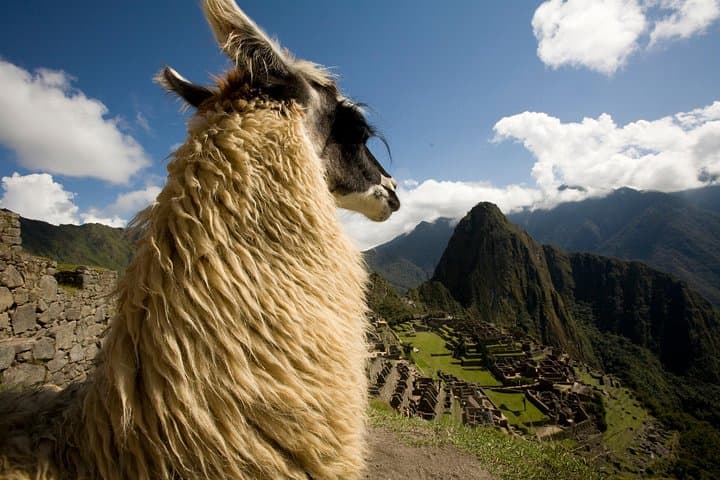
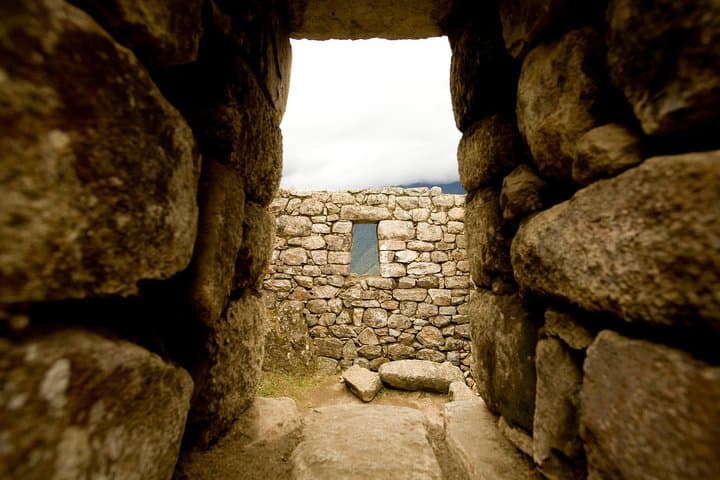
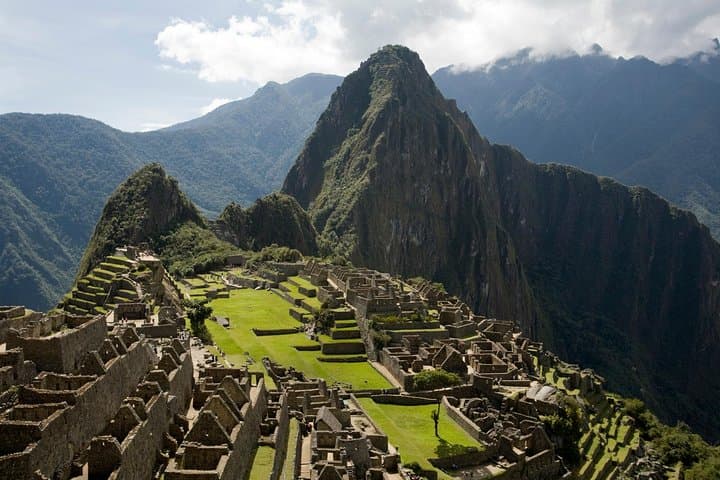
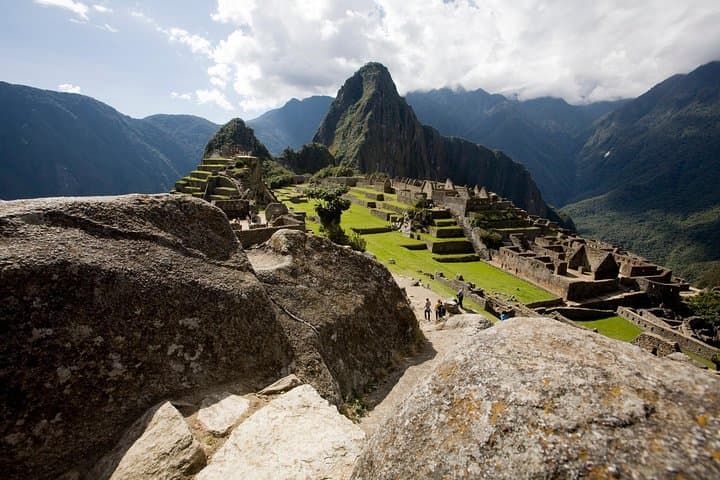
Dawn on the Inca Trail feels immediate: wind slices the high valley, the stone path cool under your boots, and distant glaciers on Veronica catch first light. You move through cloud-scoured forest, step over original Inca stairways and feel the trail urging you onward toward Intipunku—the Sun Gate—where Machu Picchu reveals itself in a slow, dramatic opening.
Dawn on the Inca Trail feels immediate: wind slices the high valley, the stone path cool under your boots, and distant glaciers on Veronica catch first light. You move through cloud-scoured forest, step over original Inca stairways and feel the trail urging you onward toward Intipunku—the Sun Gate—where Machu Picchu reveals itself in a slow, dramatic opening.
This four-day route follows a route carved and maintained by the Incas, crossing ecological zones from Andean high puna to subtropical cloudforest. Geology is visible in the folded ridgelines and terraces; culture appears in ruins—Runcuracay, Sayacmarca, Wiñay Wayna—each a reminder that the path was a living artery of the empire. Modern regulations limit permits and control flows: the trail closes in February for maintenance and only licensed operators may run multi-day groups.
Expect steep climbs (Warmiwañusca, ~4,200 m), rocky descents, and variable weather—sun, wind, rain and cold can arrive in the same day. Campsites are basic: group igloo-style tents, shared cooking and dining tents, and trained cooks and porters who carry group equipment. Guides provide archeological context and manage logistics.
Practical: book permits months ahead, arrive to Cusco early to acclimatize, and pack layered clothing, a warm sleeping bag, and good boots. Hydrate and carry snacks for energy on the long second-day ascent. Respect trail rules, carry out waste, and be prepared to swap plans if permit circuits at Machu Picchu change. The trail rewards effort with sunrise over a lost city—direct, humbling, and undeniably historic.