THE ADVENTURE COLLECTIVE® · Independent discovery and booking for outdoor travel

Follow the original stone steps of the Inca on this classic 4-day trek from Km 82 to Machu Picchu. Expect four days of high-altitude hiking, engineered terraces, cloud forest, and a sunrise arrival at the Sun Gate.
Follow the original stone steps of the Inca on this classic 4-day trek from Km 82 to Machu Picchu. Expect four days of high-altitude hiking, engineered terraces, cloud forest, and a sunrise arrival at the Sun Gate.
A thin gray light threads through the Andean pines as the tourist bus rolls out of Cusco, and the valley breathes beneath the silhouette of Nevado Veronica. By the time the group signs in at Km 82, the Urubamba River is already daring feet to follow the stone-cut path the Inca carved six centuries ago. Stairs rise and fall like living geology; cloud forest gives way to high puna and the trail’s stonework appears, then disappears, folded into terraces and stairways.
Verified experiences and guided adventures in the surrounding area.
Operated by Discover Inca Planet · Ollantaytambo, Cusco
A thin gray light threads through the Andean pines as the tourist bus rolls out of Cusco, and the valley breathes beneath the silhouette of Nevado Veronica. By the time the group signs in at Km 82, the Urubamba River is already daring feet to follow the stone-cut path the Inca carved six centuries ago. Stairs rise and fall like living geology; cloud forest gives way to high puna and the trail’s stonework appears, then disappears, folded into terraces and stairways.
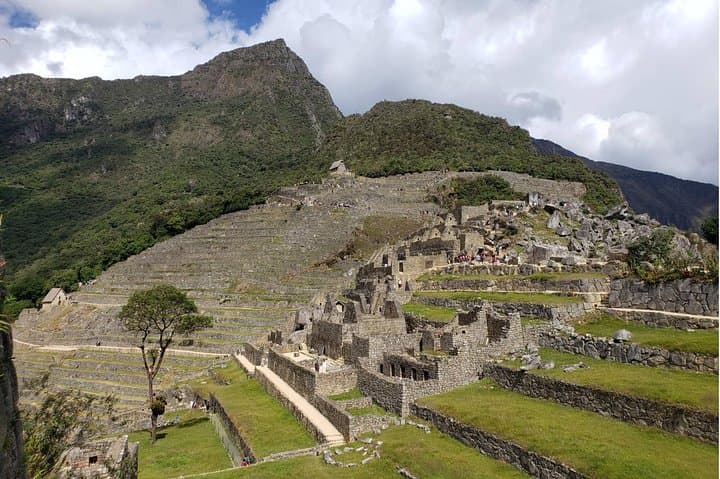
This route—approximately 43 km over four days—follows engineered paths built from local granite and mortar, linking agricultural sites, water works, and ceremonial terraces. The Inca left plazas and storehouses that still frame the views; villages of Quechua speakers and skillful porters provide the human pulse along the way. Geologically, the trek moves from humid river gorge to exposed glaciated ridgelines; expect dramatic microclimates.
Practically, the second day’s Warmihuanusca (Dead Woman’s Pass) at about 4,200 m is the high mark and the hardest day: steep stone steps and sustained gain demand steady pacing. Trails are uneven—mud, rock, carved steps—and camps are basic but serviceable. Permit-controlled access means bookings are required; a guided, multi-day itinerary typically includes meals, campsite logistics, and the early-morning Sun Gate approach for Machu Picchu’s sunrise. Plan for 4 days of trekking, altitude acclimatization before departure, layered clothing, reliable boots, poles, and at least 3–4 liters of water daily. Time your trek for the dry season (May–September) to avoid relentless rain; if traveling in shoulder seasons, expect slippery sections and fewer daylight hours.
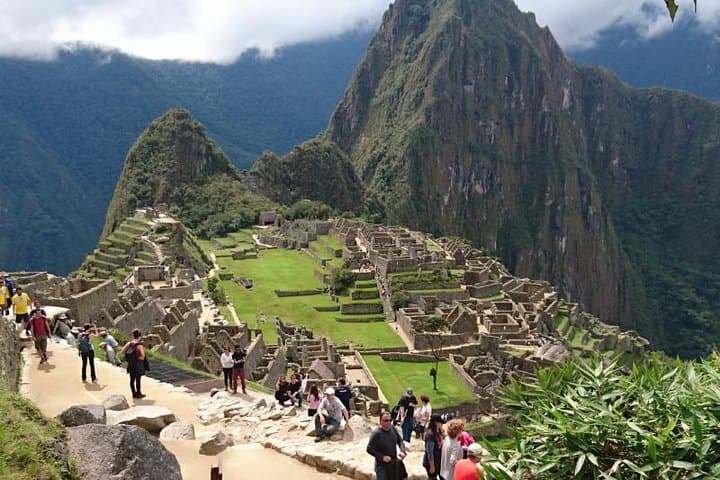
Finish at the Sun Gate and the citadel—an engineered, spiritual climax where terraces and temples fall into the valley and the Andes seem to push the horizon farther back.
challenging.
4 days.
Good cardiovascular fitness and prior hill-trekking experience recommended; ability to sustain 5–8 hours of walking daily at altitude.
Yes—permits are limited and assigned per person; tours typically include permits but you should confirm at booking and book months ahead.
It’s the steepest and highest point (about 4,200 m) and requires sustained climbing on stone steps; pace yourself and use poles.
Camps use basic facilities; hot springs are available in Aguas Calientes after the trek and are often included in tour itineraries.
Climbing Huayna Picchu requires a separate ticket subject to daily quotas; check availability in advance—many choose this after the guided Machu Picchu tour.
The Inca Trail is a network of paths used by the Inca for administration and pilgrimage; sections date back over 500 years and connect agricultural, military, and ceremonial sites.
Strict permit limits, guided group rules, and an annual February closure aim to protect fragile archaeological sites and reduce trail erosion; stick to paths and pack out waste.
Discover Inca Planet operates guided outdoor trips and adventures with an emphasis on safety, stewardship, and memorable experiences.
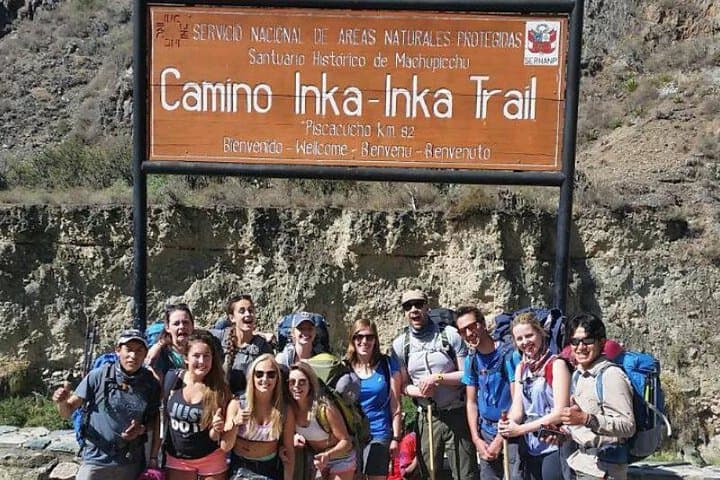
A thin gray light threads through the Andean pines as the tourist bus rolls out of Cusco, and the valley breathes beneath the silhouette of Nevado Veronica. By the time the group signs in at Km 82, the Urubamba River is already daring feet to follow the stone-cut path the Inca carved six centuries ago. Stairs rise and fall like living geology; cloud forest gives way to high puna and the trail’s stonework appears, then disappears, folded into terraces and stairways.
A thin gray light threads through the Andean pines as the tourist bus rolls out of Cusco, and the valley breathes beneath the silhouette of Nevado Veronica. By the time the group signs in at Km 82, the Urubamba River is already daring feet to follow the stone-cut path the Inca carved six centuries ago. Stairs rise and fall like living geology; cloud forest gives way to high puna and the trail’s stonework appears, then disappears, folded into terraces and stairways.
This route—approximately 43 km over four days—follows engineered paths built from local granite and mortar, linking agricultural sites, water works, and ceremonial terraces. The Inca left plazas and storehouses that still frame the views; villages of Quechua speakers and skillful porters provide the human pulse along the way. Geologically, the trek moves from humid river gorge to exposed glaciated ridgelines; expect dramatic microclimates.
Practically, the second day’s Warmihuanusca (Dead Woman’s Pass) at about 4,200 m is the high mark and the hardest day: steep stone steps and sustained gain demand steady pacing. Trails are uneven—mud, rock, carved steps—and camps are basic but serviceable. Permit-controlled access means bookings are required; a guided, multi-day itinerary typically includes meals, campsite logistics, and the early-morning Sun Gate approach for Machu Picchu’s sunrise. Plan for 4 days of trekking, altitude acclimatization before departure, layered clothing, reliable boots, poles, and at least 3–4 liters of water daily. Time your trek for the dry season (May–September) to avoid relentless rain; if traveling in shoulder seasons, expect slippery sections and fewer daylight hours.
Finish at the Sun Gate and the citadel—an engineered, spiritual climax where terraces and temples fall into the valley and the Andes seem to push the horizon farther back.