THE ADVENTURE COLLECTIVE® · Independent discovery and booking for outdoor travel

A four-day, permit-limited trek that combines steep high-altitude passes with jungle descents, ancient stonework, and a sunrise arrival at Machu Picchu. Expect long days, expert support from guides and porters, and memorable archaeological sites like Wiñay Wayna and Dead Woman’s Pass.
A four-day, permit-limited trek that combines steep high-altitude passes with jungle descents, ancient stonework, and a sunrise arrival at Machu Picchu. Expect long days, expert support from guides and porters, and memorable archaeological sites like Wiñay Wayna and Dead Woman’s Pass.
Dawn squeezes thin light between Andean ridgelines as you step onto the stone path that has guided travelers for centuries. The first day climbs through high puna and fragmented cloud forest, porters and cooks moving with practiced speed while the trail snakes past inca stairways and small, moss-streaked ruins.
Verified experiences and guided adventures in the surrounding area.
Operated by Discover Pachamama · Cusco, Cusco
Dawn squeezes thin light between Andean ridgelines as you step onto the stone path that has guided travelers for centuries. The first day climbs through high puna and fragmented cloud forest, porters and cooks moving with practiced speed while the trail snakes past inca stairways and small, moss-streaked ruins.
The route follows the classic royal camino built by the Incas to link Cusco with their mountain sanctuaries. Geologically the trail threads volcanic and sedimentary formations carved by glacial action; you cross sharp passes and descend into narrow river valleys that quickly bloom into jungle at lower elevations. Culturally, every ruin—Runquraqay, Sayacmarca, Phuyupatamarca, Wiñay Wayna—offers a window onto Inca engineering: terraces, sophisticated drainage, and aligned buildings that read the sun.
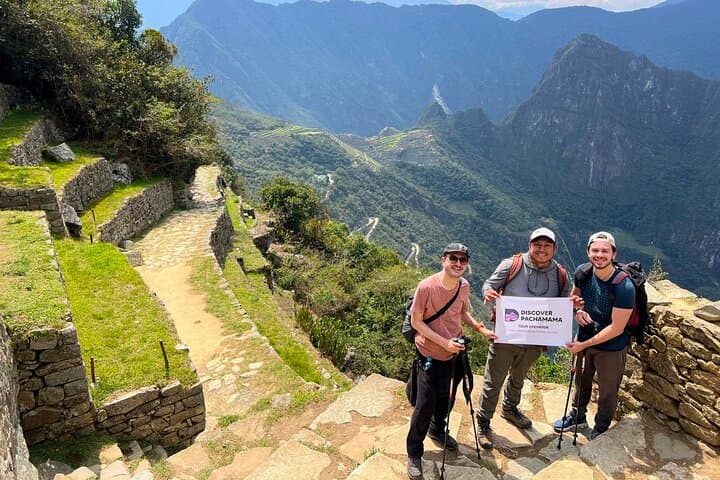
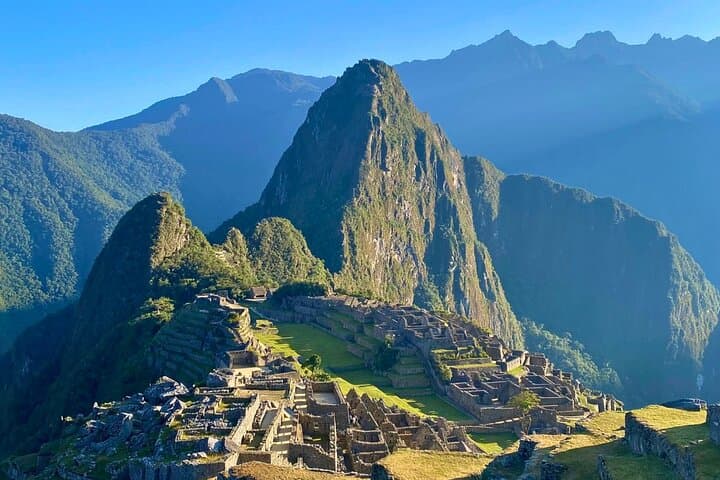
Practically, the itinerary is four days and three nights of mixed alpine and cloud-forest trekking. Expect a technical high point at Dead Woman’s Pass (4,215 m) with steep stone steps and sustained climbs; the final sunrise at the Sun Gate rewards early starts with calm, golden views of Machu Picchu below.
Bring layered clothing, sturdy boots, and a calm pace for altitude. Guides and porters typically manage camp setup, meals and most logistics, but personal fitness and pre-trip acclimatization make the difference between slogging and enjoying the scenery. Permits are limited—book months ahead—and practice on long uphill hikes before arrival. When done right, the trail feels equal parts archaeological classroom and raw mountain journey.
challenging.
4 days (approx. 48–60 hours of trekking).
Good aerobic fitness with experience on sustained uphill hiking and stair-like stone steps; ability to carry a light daypack.
Yes—timed government permits are required for the classic Inca Trail and must be booked in advance through authorized operators.
The ascent to 4,215 m is steep and sustained; plan for 3–4 hours of climbing from camp with frequent short breaks and a steady pace.
Most organized four-day treks include porters who carry tents, cooking gear, and group equipment; confirm porter weight limits and tipping policy with your operator.
Generally fit hikers can complete it with proper acclimatization and preparation, but it's not recommended for people with serious cardiovascular, spinal, or pregnancy-related conditions.
The trail forms part of the Qhapaq Ñan, the Inca road system that linked Cusco with sacred sites; many stone pathways and terraces date to 15th-century imperial projects.
Peru limits daily permits and confines camping to designated sites to reduce erosion and ecosystem pressure; stick to trails, pack out waste, and use biodegradable products provided by operators.
Discover Pachamama operates guided outdoor trips and adventures with an emphasis on safety, stewardship, and memorable experiences.
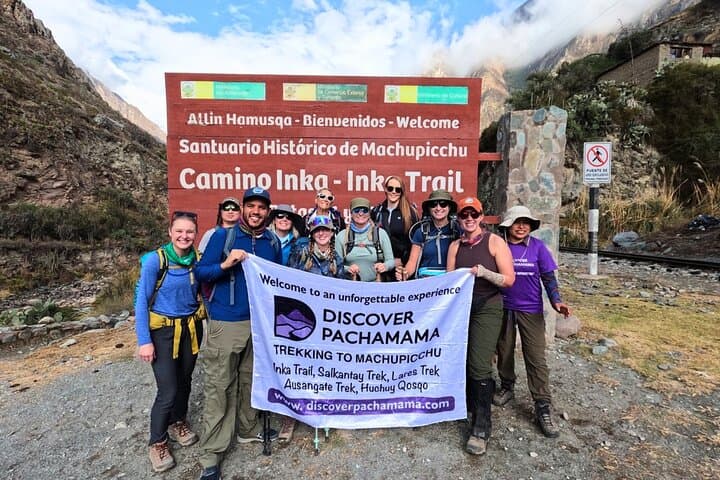
Dawn squeezes thin light between Andean ridgelines as you step onto the stone path that has guided travelers for centuries. The first day climbs through high puna and fragmented cloud forest, porters and cooks moving with practiced speed while the trail snakes past inca stairways and small, moss-streaked ruins.
Dawn squeezes thin light between Andean ridgelines as you step onto the stone path that has guided travelers for centuries. The first day climbs through high puna and fragmented cloud forest, porters and cooks moving with practiced speed while the trail snakes past inca stairways and small, moss-streaked ruins.
The route follows the classic royal camino built by the Incas to link Cusco with their mountain sanctuaries. Geologically the trail threads volcanic and sedimentary formations carved by glacial action; you cross sharp passes and descend into narrow river valleys that quickly bloom into jungle at lower elevations. Culturally, every ruin—Runquraqay, Sayacmarca, Phuyupatamarca, Wiñay Wayna—offers a window onto Inca engineering: terraces, sophisticated drainage, and aligned buildings that read the sun.
Practically, the itinerary is four days and three nights of mixed alpine and cloud-forest trekking. Expect a technical high point at Dead Woman’s Pass (4,215 m) with steep stone steps and sustained climbs; the final sunrise at the Sun Gate rewards early starts with calm, golden views of Machu Picchu below.
Bring layered clothing, sturdy boots, and a calm pace for altitude. Guides and porters typically manage camp setup, meals and most logistics, but personal fitness and pre-trip acclimatization make the difference between slogging and enjoying the scenery. Permits are limited—book months ahead—and practice on long uphill hikes before arrival. When done right, the trail feels equal parts archaeological classroom and raw mountain journey.