THE ADVENTURE COLLECTIVE® · Independent discovery and booking for outdoor travel

A classic four-day trek that blends high-Andean climbs, cloud-forest terraces, and Inca archaeology, culminating at Machu Picchu. Prepare for altitude, limited permits, and varied weather—this route rewards preparation with panoramic sunrise views at the Sun Gate.
A classic four-day trek that blends high-Andean climbs, cloud-forest terraces, and Inca archaeology, culminating at Machu Picchu. Prepare for altitude, limited permits, and varied weather—this route rewards preparation with panoramic sunrise views at the Sun Gate.
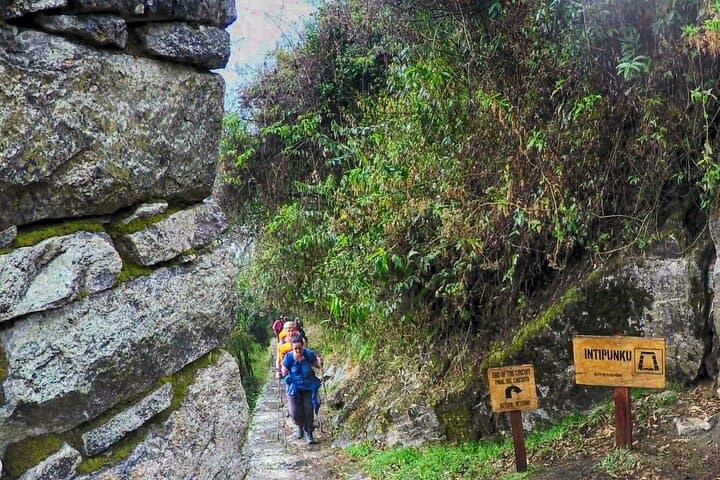
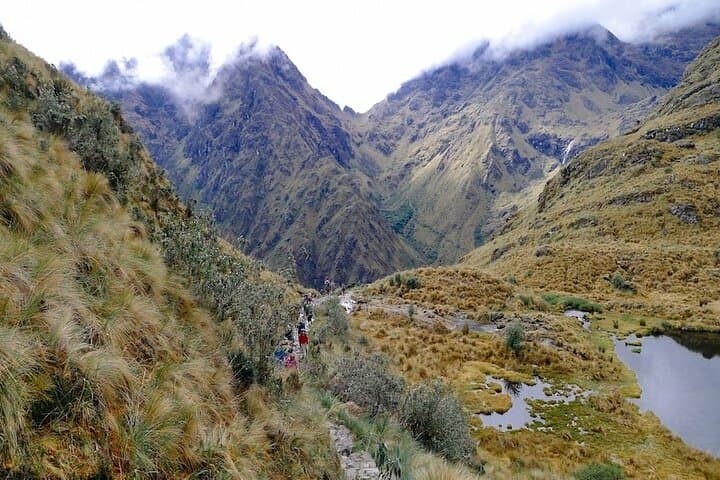
Dawn breaks on the high Andes, and the trail breathes around you—stone steps laid by the Incas, cloud forest dripping with mist, and the Urubamba River daring you to keep pace. Over four days you move through altitudinal zones: sun-baked valley, wind-honed passes, and the humid, green pockets that cradle ancient terraces.
Verified experiences and guided adventures in the surrounding area.
Operated by Trails to Machu Picchu · Machu Picchu, Cusco Region
Dawn breaks on the high Andes, and the trail breathes around you—stone steps laid by the Incas, cloud forest dripping with mist, and the Urubamba River daring you to keep pace. Over four days you move through altitudinal zones: sun-baked valley, wind-honed passes, and the humid, green pockets that cradle ancient terraces.
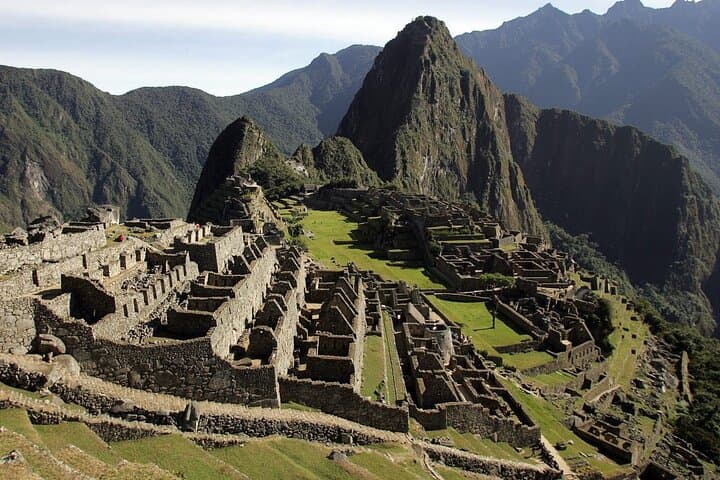
The Inca Trail is both archaeological highway and geological cross-section. Llaqtas (settlements) and waystations appear on ridges carved from volcanic and metamorphic rock; culverts and stairways reveal engineering adapted to steep topography and seasonal rains. Culturally, the route traces the heart of Tawantinsuyu, the Inca polity, with ruins like Runkurakay, Sayacmarca, Wiñay Wayna and the climactic arrival at the Sun Gate above Machu Picchu.
Expect strenuous ascents—Dead Woman’s Pass at roughly 4,215 m is the high point—and long days weighing rhythm against altitude. Weather swings quickly: clear, bright mornings can give way to cloud and rain in the afternoon. Local porters and guides handle logistics and camp setups, but permits are strictly limited and required in advance.
Practical guidance: allow 2–3 days in Cusco beforehand to acclimatize, train on hills and stairs, and bring layered clothing, a good waterproof shell, sturdy boots with ankle support, and a quality sleeping bag rated to near-freezing. Hydrate before and during the trek, pace uphill sections conservatively, and use sun protection. With preparation, the trail rewards effort with archaeology, sweeping vistas, and the unforgettable first view of Machu Picchu through the Sun Gate.
challenging.
4 days.
Good cardiovascular fitness with experience hiking uphill; train on stairs, loaded hikes, and at least 3–5 hours continuous walking.
Yes—entry permits for the Inca Trail and Machu Picchu are limited and must be purchased before the trek; tour operators typically handle the booking.
It’s the trail’s highest and most sustained climb at about 4,215 m; steep and high-altitude, it requires steady pacing and previous hill training.
Many guided companies provide porters or mule support to carry heavy gear; confirm weight limits and tipping policy when booking.
Symptoms can occur; acclimatize in Cusco, stay hydrated, avoid alcohol, and descend immediately if severe symptoms appear—guides are trained to respond.
The Inca Trail formed a ceremonial and administrative corridor linking Cusco with important sites; many ruins along the route were tambos (rest stations) and ceremonial niches.
Strict permit limits, regulated camping zones, and portering rules aim to limit erosion and preserve archaeological sites—follow Leave No Trace and local guide instructions.
Trails to Machu Picchu operates guided outdoor trips and adventures with an emphasis on safety, stewardship, and memorable experiences.

Dawn breaks on the high Andes, and the trail breathes around you—stone steps laid by the Incas, cloud forest dripping with mist, and the Urubamba River daring you to keep pace. Over four days you move through altitudinal zones: sun-baked valley, wind-honed passes, and the humid, green pockets that cradle ancient terraces.
Dawn breaks on the high Andes, and the trail breathes around you—stone steps laid by the Incas, cloud forest dripping with mist, and the Urubamba River daring you to keep pace. Over four days you move through altitudinal zones: sun-baked valley, wind-honed passes, and the humid, green pockets that cradle ancient terraces.
The Inca Trail is both archaeological highway and geological cross-section. Llaqtas (settlements) and waystations appear on ridges carved from volcanic and metamorphic rock; culverts and stairways reveal engineering adapted to steep topography and seasonal rains. Culturally, the route traces the heart of Tawantinsuyu, the Inca polity, with ruins like Runkurakay, Sayacmarca, Wiñay Wayna and the climactic arrival at the Sun Gate above Machu Picchu.
Expect strenuous ascents—Dead Woman’s Pass at roughly 4,215 m is the high point—and long days weighing rhythm against altitude. Weather swings quickly: clear, bright mornings can give way to cloud and rain in the afternoon. Local porters and guides handle logistics and camp setups, but permits are strictly limited and required in advance.
Practical guidance: allow 2–3 days in Cusco beforehand to acclimatize, train on hills and stairs, and bring layered clothing, a good waterproof shell, sturdy boots with ankle support, and a quality sleeping bag rated to near-freezing. Hydrate before and during the trek, pace uphill sections conservatively, and use sun protection. With preparation, the trail rewards effort with archaeology, sweeping vistas, and the unforgettable first view of Machu Picchu through the Sun Gate.