THE ADVENTURE COLLECTIVE® · Independent discovery and booking for outdoor travel

A private four-day traverse of the original Inca Trail delivers sunrise views at Intipunku, high passes above 4,000 m, and guided access to Machu Picchu. Expect stone stairways, cloud forest, and regulated permits—plan for altitude and variable weather.
A private four-day traverse of the original Inca Trail delivers sunrise views at Intipunku, high passes above 4,000 m, and guided access to Machu Picchu. Expect stone stairways, cloud forest, and regulated permits—plan for altitude and variable weather.
Dawn at Piscacucho feels like opening an old ledger: mist lifts off the Vilcanota River, the trail before you wet and stony, and the Andes stand patient and high. On a private four-day Inca Trail, small groups thread ancient stone stairways, pass Polylepis groves, and climb to the saddle known as Dead Woman’s Pass—where the wind pushes at your pack and the mountains make room for memory.
Verified experiences and guided adventures in the surrounding area.
Operated by Valencia Travel Agency S.a.c. · Aguas Calientes (Machu Picchu Pueblo), Cusco
Dawn at Piscacucho feels like opening an old ledger: mist lifts off the Vilcanota River, the trail before you wet and stony, and the Andes stand patient and high. On a private four-day Inca Trail, small groups thread ancient stone stairways, pass Polylepis groves, and climb to the saddle known as Dead Woman’s Pass—where the wind pushes at your pack and the mountains make room for memory.
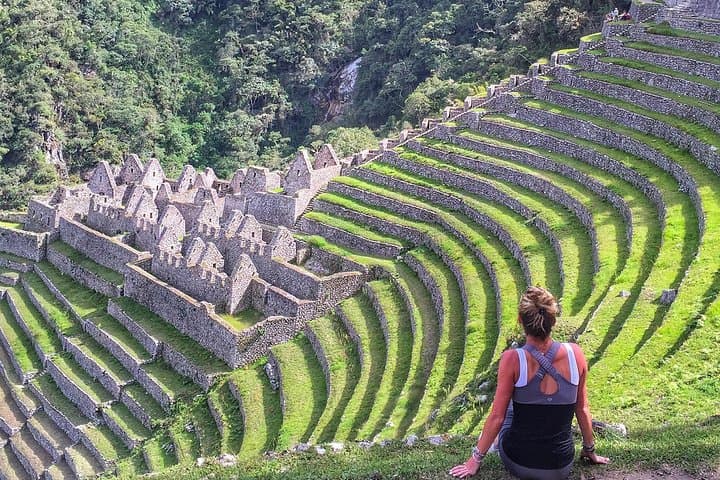
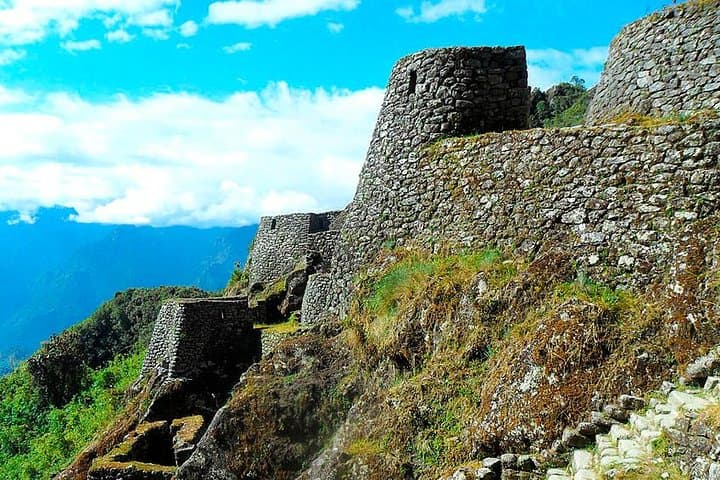
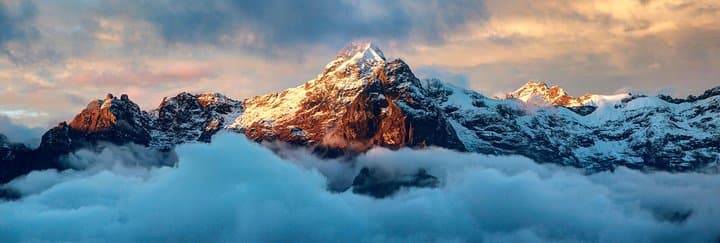
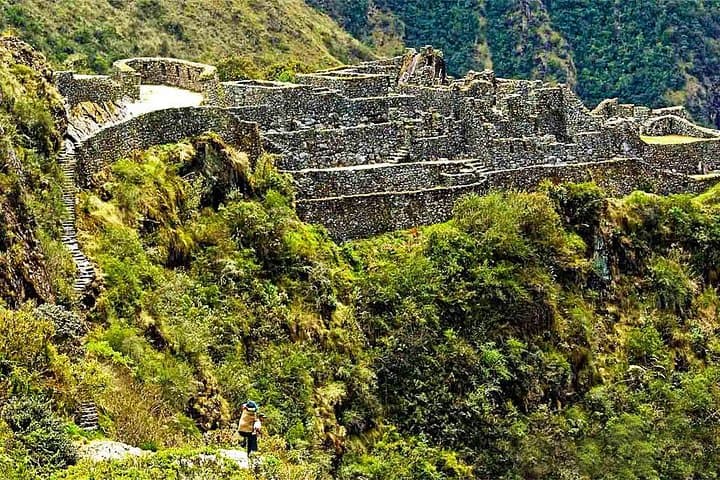
The route is a functioning archive of Inca engineering and ritual. Built to connect highland settlements and royal sites, the trail crosses fortified terraces (Runkurakay), cloud-forest agricultural towns (Phuyupatamarca), and the cultivated steps of Wiñay Wayna before delivering hikers to Intipunku, the Sun Gate, for the first view of Machu Picchu. Geologically, the trail traces the Urubamba watershed between tropical canyons and the high puna; glacial peaks like Veronica watch from the skyline.
Practically: the trek covers roughly 40–45 km over four days with a high point near 4,200 m and campsite nights between ~2,680–3,000 m. Terrain alternates hard-packed dirt, Inca stonework, and steep ascents/descents. Guides, porters, meals and basic camping gear are included in private services; permits are limited and must be secured well ahead. Acclimatize in Cusco for 48–72 hours, use sturdy boots and trekking poles, carry water and layers for freezing nights and sudden rain. Expect long uphill stretches that reward you with hummingbird-filled cloud forest and, at Intipunku, Machu Picchu silhouetted by sunrise. Leave no trace, move steadily, and plan for variable weather.
challenging.
4 days.
Good aerobic fitness and experience with sustained uphill hiking at altitude; comfortable with multi-hour days carrying a light daypack.
Yes—permits are limited, tied to the trail and Machu Picchu entry, and should be booked months in advance; private tour operators can reserve permits on your behalf.
It’s the most sustained ascent on day two—about 400–650 m of climbing at high altitude; pace yourself and use poles to conserve energy.
In this private service porters, communal camp equipment, cook and foam mattresses are included; personal porters typically carry up to ~7 kg of your kit.
Yes if you have a Huayna Picchu ticket—those slots sell out separately and must be arranged well in advance; times are limited and may conflict with guided schedules.
The Inca Trail was a pre-Columbian network of roads and stairways linking administrative and religious centers; the route served pilgrimage, trade and royal movement to Machu Picchu.
Permits limit daily visitors to reduce erosion and cultural impact; follow Leave No Trace principles, avoid single-use plastics and respect campsite rules.
Valencia Travel Agency S.a.c. operates guided outdoor trips and adventures with an emphasis on safety, stewardship, and memorable experiences.
Dawn at Piscacucho feels like opening an old ledger: mist lifts off the Vilcanota River, the trail before you wet and stony, and the Andes stand patient and high. On a private four-day Inca Trail, small groups thread ancient stone stairways, pass Polylepis groves, and climb to the saddle known as Dead Woman’s Pass—where the wind pushes at your pack and the mountains make room for memory.
Dawn at Piscacucho feels like opening an old ledger: mist lifts off the Vilcanota River, the trail before you wet and stony, and the Andes stand patient and high. On a private four-day Inca Trail, small groups thread ancient stone stairways, pass Polylepis groves, and climb to the saddle known as Dead Woman’s Pass—where the wind pushes at your pack and the mountains make room for memory.
The route is a functioning archive of Inca engineering and ritual. Built to connect highland settlements and royal sites, the trail crosses fortified terraces (Runkurakay), cloud-forest agricultural towns (Phuyupatamarca), and the cultivated steps of Wiñay Wayna before delivering hikers to Intipunku, the Sun Gate, for the first view of Machu Picchu. Geologically, the trail traces the Urubamba watershed between tropical canyons and the high puna; glacial peaks like Veronica watch from the skyline.
Practically: the trek covers roughly 40–45 km over four days with a high point near 4,200 m and campsite nights between ~2,680–3,000 m. Terrain alternates hard-packed dirt, Inca stonework, and steep ascents/descents. Guides, porters, meals and basic camping gear are included in private services; permits are limited and must be secured well ahead. Acclimatize in Cusco for 48–72 hours, use sturdy boots and trekking poles, carry water and layers for freezing nights and sudden rain. Expect long uphill stretches that reward you with hummingbird-filled cloud forest and, at Intipunku, Machu Picchu silhouetted by sunrise. Leave no trace, move steadily, and plan for variable weather.