THE ADVENTURE COLLECTIVE® · Independent discovery and booking for outdoor travel

A four-day guided trek that follows original Inca stonework through high passes, cloud forest and archaeological sites to arrive at Machu Picchu at sunrise. Expect daily climbs, stone steps, regulated campsites and a pre-dawn final approach to the Sun Gate.
A four-day guided trek that follows original Inca stonework through high passes, cloud forest and archaeological sites to arrive at Machu Picchu at sunrise. Expect daily climbs, stone steps, regulated campsites and a pre-dawn final approach to the Sun Gate.
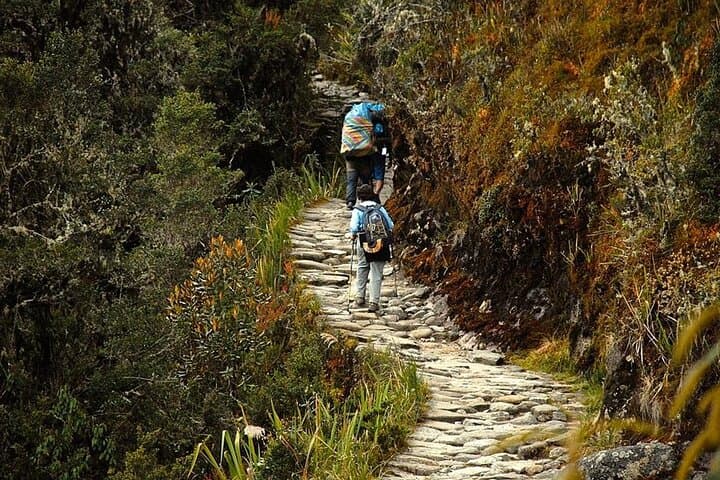
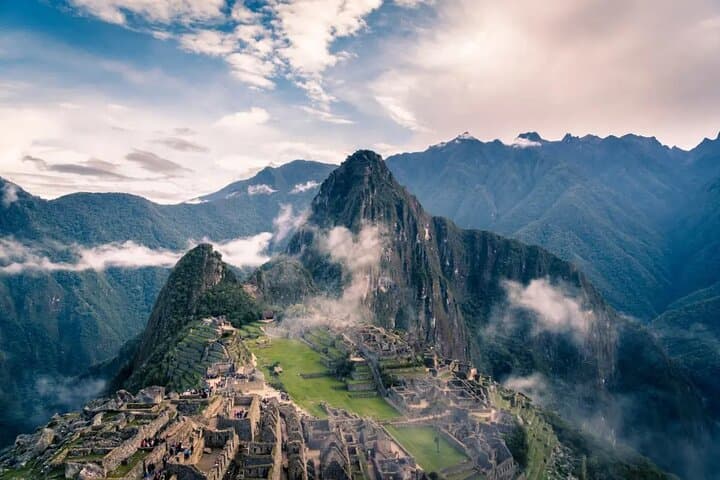
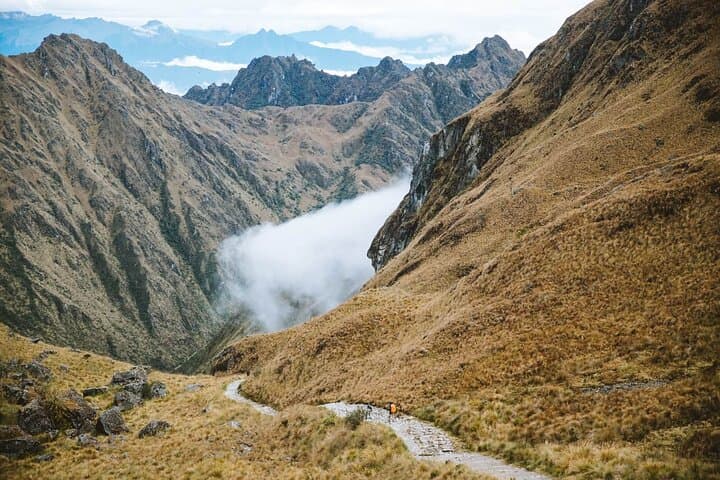
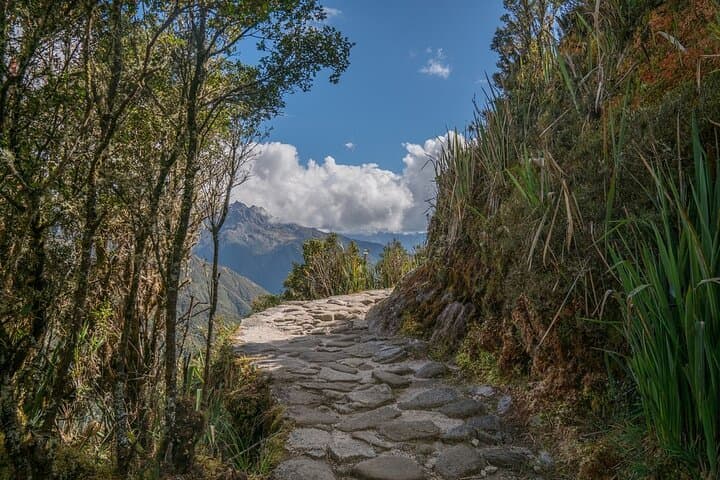
Dawn presses cool fingers into the Andean sky as a small group files out of a pickup in Cusco and begins the old stone steps that lead toward Machu Picchu. The trail climbs through cloud forest and puna grassland, passes carved Inca terraces, and opens at Dead Woman’s Pass (4,215m) — a high, wind-scoured ridge where the air feels thin and achievement tastes sharp.
Verified experiences and guided adventures in the surrounding area.
Operated by Machu Picchu Amazon Peru · Cusco, Cusco
Dawn presses cool fingers into the Andean sky as a small group files out of a pickup in Cusco and begins the old stone steps that lead toward Machu Picchu. The trail climbs through cloud forest and puna grassland, passes carved Inca terraces, and opens at Dead Woman’s Pass (4,215m) — a high, wind-scoured ridge where the air feels thin and achievement tastes sharp.
The route follows sections of a kilometer-spanning Inca road system built for pilgrims and messengers; geology shifts from volcanic andesite to river-cut sediment as the trail drops into the Urubamba Valley and finally the humid high jungle above Aguas Calientes. Local Quechua communities still work terraces below the path; porters and guides keep the centuries-old travel culture alive.
On this 4-day itinerary expect 10–15 km of hiking per day, heavily stone-stepped in places, with overnight camps at ~2,650–2,980m and that critical 4,215m pass. The final morning begins very early (pre-dawn) to reach the Sun Gate at first light and enter Machu Picchu ahead of most crowds. The physical challenge is steady aerobic work and careful footing rather than technical climbing; altitude acclimatization in Cusco for 48–72 hours beforehand improves comfort and safety.
Practical essentials: strong, broken-in hiking boots for stone stairways, layered rain gear for sudden cloud-forest squalls, and at least 2–3 liters of daily water capacity. Carry your passport for checkpoints, respect campsite rules (pack out waste), and allow for slower travel at higher elevation — the trail rewards patience with quiet ruins, waterfalls, and early-morning light over the citadel.
moderate.
4 days.
Good aerobic base and ability to hike 6–10 hours across uneven, steep stone steps; brief lower-body strength and balance help.
Expect steady uphill sections and long stone stair descents; the route is non-technical but requires moderate fitness and acclimatization to 4,215m.
Yes—permits are required and controlled; carry your original passport for the entrance checkpoints where guides present your permit.
Porters and cooks carry shared camping gear; many operators include basic porter service and allow an extra personal bag up to an assigned weight (often ~7 kg) for a fee or upgraded option.
Yes, but Huayna Picchu and Machu Picchu Mountain require separate advance permits that must be booked ahead and are limited daily.
The Inca Trail was part of a vast imperial road network used for pilgrimage, communication and state ceremonies linking highland communities to sacred centers like Machu Picchu.
Permits limit daily group numbers and camping is restricted to designated sites; follow leave-no-trace rules and use local guides to support community-based tourism.
Machu Picchu Amazon Peru operates guided outdoor trips and adventures with an emphasis on safety, stewardship, and memorable experiences.
Dawn presses cool fingers into the Andean sky as a small group files out of a pickup in Cusco and begins the old stone steps that lead toward Machu Picchu. The trail climbs through cloud forest and puna grassland, passes carved Inca terraces, and opens at Dead Woman’s Pass (4,215m) — a high, wind-scoured ridge where the air feels thin and achievement tastes sharp.
Dawn presses cool fingers into the Andean sky as a small group files out of a pickup in Cusco and begins the old stone steps that lead toward Machu Picchu. The trail climbs through cloud forest and puna grassland, passes carved Inca terraces, and opens at Dead Woman’s Pass (4,215m) — a high, wind-scoured ridge where the air feels thin and achievement tastes sharp.
The route follows sections of a kilometer-spanning Inca road system built for pilgrims and messengers; geology shifts from volcanic andesite to river-cut sediment as the trail drops into the Urubamba Valley and finally the humid high jungle above Aguas Calientes. Local Quechua communities still work terraces below the path; porters and guides keep the centuries-old travel culture alive.
On this 4-day itinerary expect 10–15 km of hiking per day, heavily stone-stepped in places, with overnight camps at ~2,650–2,980m and that critical 4,215m pass. The final morning begins very early (pre-dawn) to reach the Sun Gate at first light and enter Machu Picchu ahead of most crowds. The physical challenge is steady aerobic work and careful footing rather than technical climbing; altitude acclimatization in Cusco for 48–72 hours beforehand improves comfort and safety.
Practical essentials: strong, broken-in hiking boots for stone stairways, layered rain gear for sudden cloud-forest squalls, and at least 2–3 liters of daily water capacity. Carry your passport for checkpoints, respect campsite rules (pack out waste), and allow for slower travel at higher elevation — the trail rewards patience with quiet ruins, waterfalls, and early-morning light over the citadel.