THE ADVENTURE COLLECTIVE® · Independent discovery and booking for outdoor travel

Hike four days along the original Inca footpath to arrive at Machu Picchu through the Sun Gate. This guide covers terrain, culture, altitude tips and what to expect on the classic Inca Trail.
Hike four days along the original Inca footpath to arrive at Machu Picchu through the Sun Gate. This guide covers terrain, culture, altitude tips and what to expect on the classic Inca Trail.
The trail opens before dawn: headlamps blink across the river valley and cool Andean air pushes against your face as the group steps away from Km 82. Footfalls fall into a steady cadence on ancient stone causeways; cloud forests press in with moss and bromeliads while distant peaks keep watch. By the time you crest the ridge at sunrise, Machu Picchu’s silhouette first slips into view through the Sun Gate — a quiet, goosebump moment earned through four days of steady ascent and descent.
Verified experiences and guided adventures in the surrounding area.
Operated by TreXperience · Aguas Calientes, Cusco Region
The trail opens before dawn: headlamps blink across the river valley and cool Andean air pushes against your face as the group steps away from Km 82. Footfalls fall into a steady cadence on ancient stone causeways; cloud forests press in with moss and bromeliads while distant peaks keep watch. By the time you crest the ridge at sunrise, Machu Picchu’s silhouette first slips into view through the Sun Gate — a quiet, goosebump moment earned through four days of steady ascent and descent.
This classic 43 km (≈26 mi) route threads Inca-built steps, agricultural terraces and small archaeological sites that predate the citadel. Geologically, the trail rides a spine of folded Andean sedimentary rock carved by the Urubamba watershed; culturally, each ruin recalls the region’s role as a pilgrimage corridor toward the sacred city. Guides share Quechua stories and point out Apus — the spirits of nearby peaks — making the hike both an ecological and cultural education.
Expect varied terrain: high mountain passes (Dead Woman’s Pass at 4,215 m / 13,829 ft), steep stone staircases, muddy forest sections and exposed ridgelines. The itinerary moves at a steady, guide-led pace with porters carrying camp gear; daily hiking ranges from several hours to full-day efforts. Hydration, steady pacing, and altitude awareness are non-negotiable.
Practical tips: pack layered, breathable clothing, test your sleeping pad, and train on long climbs and stair repeats before you go. Aim to arrive in Cusco 48–72 hours early to acclimatize. This trek is as much about slow-weather reading and respect for fragile trails as it is about the final sunrise at Machu Picchu.
challenging.
4 days.
High level of cardiovascular fitness and strong legs for sustained ascents/descents; prior multi-day hiking recommended.
The Classic route covers about 43 km (26 mi) over four days; daily hiking ranges from 4–8 hours depending on elevation changes.
No technical climbing skills are required, but you should be comfortable with long ascents, steep stone steps and high-altitude hiking.
Permits for the Inca Trail are limited and allocated by date; book well in advance — especially for high season (June–August) — to secure a spot.
Dead Woman’s Pass is the highest point at 4,215 m (13,829 ft); acclimatize in Cusco, stay hydrated, and hike at a steady pace to manage symptoms.
The trail is part of the Qhapaq Ñan network — an imperial Inca road system that linked administrative and ceremonial centers across the Andes.
The Inca Trail operates under strict permit limits and Leave No Trace practices to protect archaeological sites and fragile cloud forest ecosystems.
TreXperience operates guided outdoor trips and adventures with an emphasis on safety, stewardship, and memorable experiences.
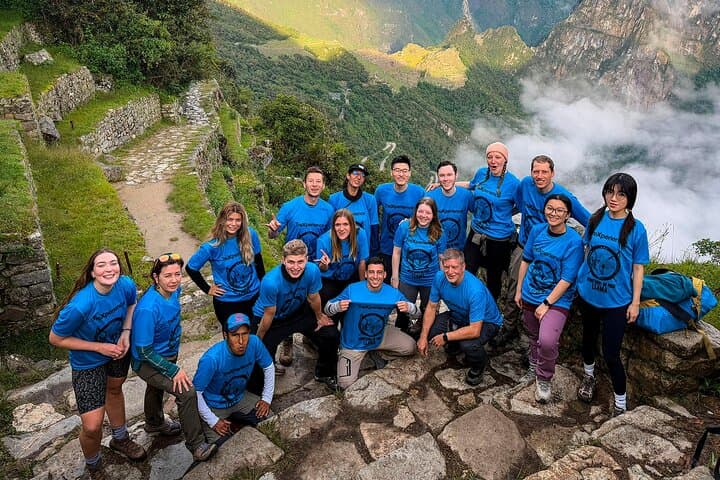
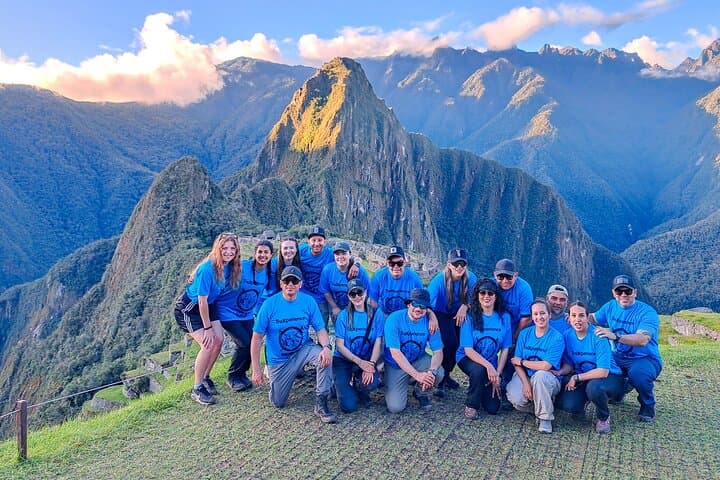
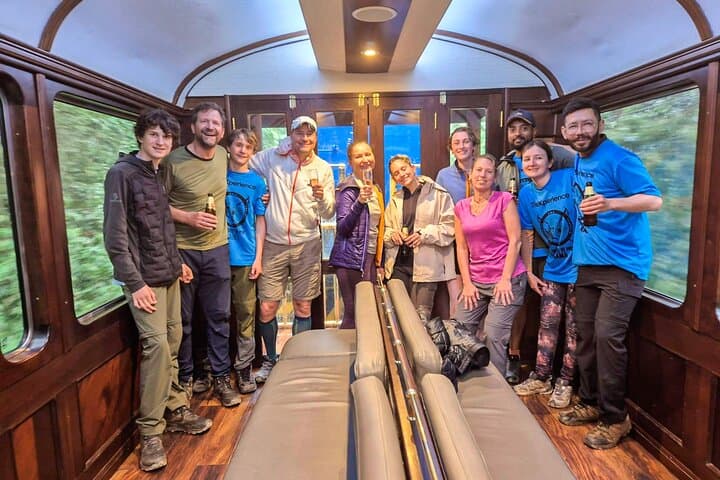
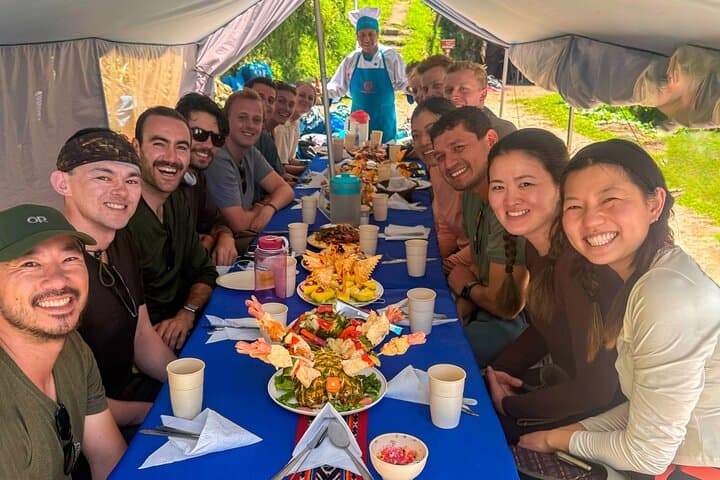
The trail opens before dawn: headlamps blink across the river valley and cool Andean air pushes against your face as the group steps away from Km 82. Footfalls fall into a steady cadence on ancient stone causeways; cloud forests press in with moss and bromeliads while distant peaks keep watch. By the time you crest the ridge at sunrise, Machu Picchu’s silhouette first slips into view through the Sun Gate — a quiet, goosebump moment earned through four days of steady ascent and descent.
The trail opens before dawn: headlamps blink across the river valley and cool Andean air pushes against your face as the group steps away from Km 82. Footfalls fall into a steady cadence on ancient stone causeways; cloud forests press in with moss and bromeliads while distant peaks keep watch. By the time you crest the ridge at sunrise, Machu Picchu’s silhouette first slips into view through the Sun Gate — a quiet, goosebump moment earned through four days of steady ascent and descent.
This classic 43 km (≈26 mi) route threads Inca-built steps, agricultural terraces and small archaeological sites that predate the citadel. Geologically, the trail rides a spine of folded Andean sedimentary rock carved by the Urubamba watershed; culturally, each ruin recalls the region’s role as a pilgrimage corridor toward the sacred city. Guides share Quechua stories and point out Apus — the spirits of nearby peaks — making the hike both an ecological and cultural education.
Expect varied terrain: high mountain passes (Dead Woman’s Pass at 4,215 m / 13,829 ft), steep stone staircases, muddy forest sections and exposed ridgelines. The itinerary moves at a steady, guide-led pace with porters carrying camp gear; daily hiking ranges from several hours to full-day efforts. Hydration, steady pacing, and altitude awareness are non-negotiable.
Practical tips: pack layered, breathable clothing, test your sleeping pad, and train on long climbs and stair repeats before you go. Aim to arrive in Cusco 48–72 hours early to acclimatize. This trek is as much about slow-weather reading and respect for fragile trails as it is about the final sunrise at Machu Picchu.