THE ADVENTURE COLLECTIVE® · Independent discovery and booking for outdoor travel

Hike four days along the original Inca road from Km 82 to the Sun Gate and arrive into Machu Picchu at sunrise. This guide covers what to expect on route, the hard high pass, camp life, and how to prepare for the alpine-to-cloud-forest transition.
Hike four days along the original Inca road from Km 82 to the Sun Gate and arrive into Machu Picchu at sunrise. This guide covers what to expect on route, the hard high pass, camp life, and how to prepare for the alpine-to-cloud-forest transition.
Before dawn the trail breathes cold mist and the headlamps of fellow hikers stitch a slow line through cloud forest. On the first morning you cross a wooden bridge above the Urubamba River, and the stones underfoot begin to tell a story older than the republic: terraces, stairways and niches cut by Inca hands.
Verified experiences and guided adventures in the surrounding area.
Operated by Machupicchu andes tours · Cusco, Cusco Region
Before dawn the trail breathes cold mist and the headlamps of fellow hikers stitch a slow line through cloud forest. On the first morning you cross a wooden bridge above the Urubamba River, and the stones underfoot begin to tell a story older than the republic: terraces, stairways and niches cut by Inca hands.
The Inca Trail follows a segment of the Qhapaq Ñan, the imperial road that tied Andean communities together. Geologically, the route moves from river valley to puna highlands, climbing to Warmiwañusca (Dead Woman’s Pass) at about 4,200 m, then descending through humid montane forest into the bowl that holds Machu Picchu. The culture here is Quechua-speaking and still uses many traditional agricultural practices visible across the valley terraces.
Expect a mix of well-built Inca stonework and steep switchbacks on uneven trail that demand steady footing and altitude respect. Camps are basic but serviceable — four-season tents, communal dining provided by a cook, and porters who shoulder the heavy equipment.
Practical guidance: acclimatize in Cusco for 2–3 days before the hike, carry layers for rapid temperature swings, and budget 2–3 liters of water per day. Book permits early (they sell out months ahead) and pack light — porters carry duffels up to about 6 kg. On the final day, a pre-dawn walk delivers you to Inti Punku (Sun Gate) for the first view of Machu Picchu: a payoff earned by persistence and preparation.
challenging.
4 days.
Good aerobic fitness and experience with multi-day hiking at altitude; able to sustain 6–8 hours walking on steep terrain.
Yes; permits are limited by the Peruvian government and must be purchased in advance through authorized operators—book 2–3 months ahead in high season.
It’s the steepest, highest section at about 4,200 m and can take 4–6 hours to cross; pace yourself and drink frequently to limit altitude symptoms.
Yes; most operators include porters who carry a duffel (typically up to 13 lb/6 kg) while hikers carry daypacks with essentials.
The dry season (May–September) offers the most stable weather and clearer views, but trails are busier—expect more crowds in June–August.
The trail is part of the Inca road network (Qhapaq Ñan) that linked administrative and sacred sites; many stone segments date to pre-Columbian engineering.
Permits limit daily hikers and regulated camps reduce impact; follow Leave No Trace, avoid single-use plastics and respect porter welfare.
Machupicchu andes tours operates guided outdoor trips and adventures with an emphasis on safety, stewardship, and memorable experiences.
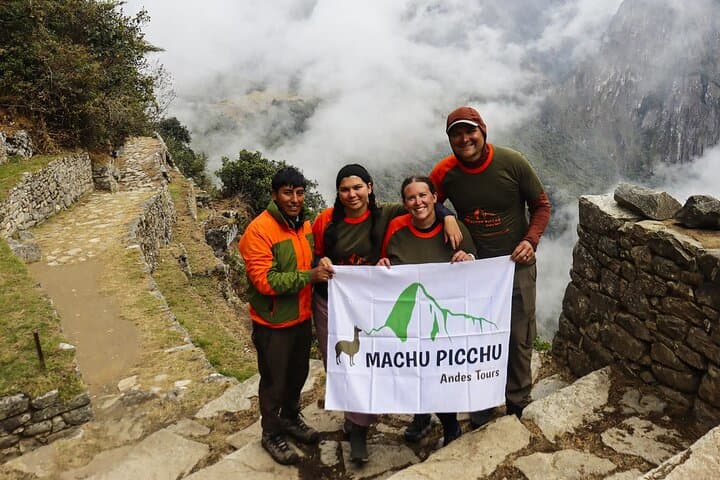
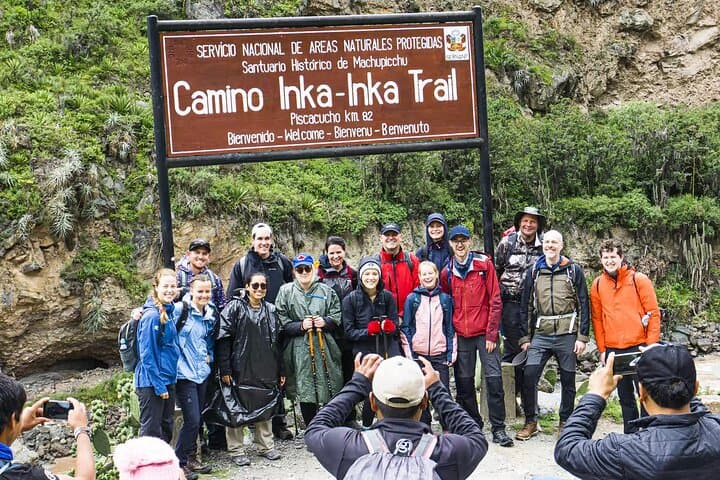
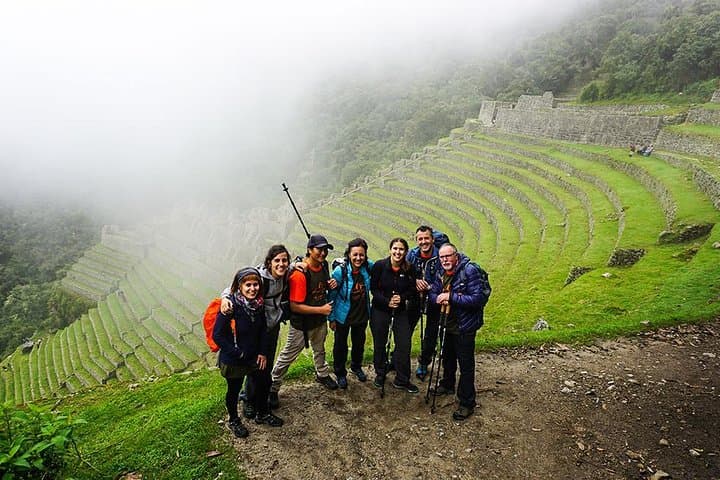
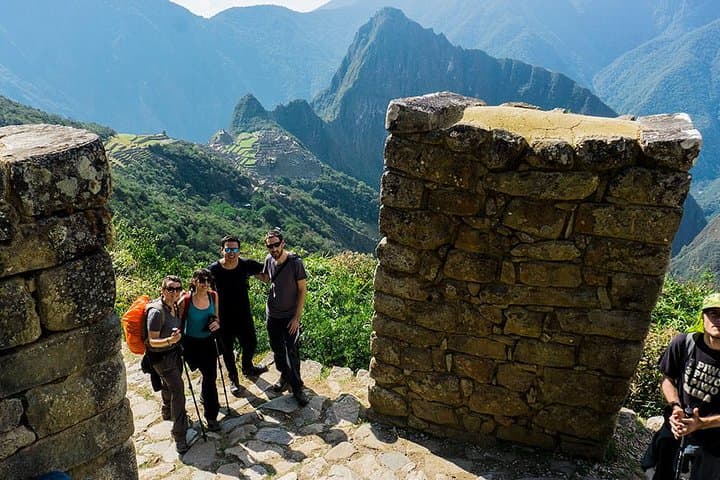
Before dawn the trail breathes cold mist and the headlamps of fellow hikers stitch a slow line through cloud forest. On the first morning you cross a wooden bridge above the Urubamba River, and the stones underfoot begin to tell a story older than the republic: terraces, stairways and niches cut by Inca hands.
Before dawn the trail breathes cold mist and the headlamps of fellow hikers stitch a slow line through cloud forest. On the first morning you cross a wooden bridge above the Urubamba River, and the stones underfoot begin to tell a story older than the republic: terraces, stairways and niches cut by Inca hands.
The Inca Trail follows a segment of the Qhapaq Ñan, the imperial road that tied Andean communities together. Geologically, the route moves from river valley to puna highlands, climbing to Warmiwañusca (Dead Woman’s Pass) at about 4,200 m, then descending through humid montane forest into the bowl that holds Machu Picchu. The culture here is Quechua-speaking and still uses many traditional agricultural practices visible across the valley terraces.
Expect a mix of well-built Inca stonework and steep switchbacks on uneven trail that demand steady footing and altitude respect. Camps are basic but serviceable — four-season tents, communal dining provided by a cook, and porters who shoulder the heavy equipment.
Practical guidance: acclimatize in Cusco for 2–3 days before the hike, carry layers for rapid temperature swings, and budget 2–3 liters of water per day. Book permits early (they sell out months ahead) and pack light — porters carry duffels up to about 6 kg. On the final day, a pre-dawn walk delivers you to Inti Punku (Sun Gate) for the first view of Machu Picchu: a payoff earned by persistence and preparation.