THE ADVENTURE COLLECTIVE® · Independent discovery and booking for outdoor travel

Swap a single hike for biking, rafting, ziplines and trekking en route to Machu Picchu. This four-day Inca Jungle itinerary moves from high Andean passes into cloud forest, ending at the citadel with guided, private access.
Swap a single hike for biking, rafting, ziplines and trekking en route to Machu Picchu. This four-day Inca Jungle itinerary moves from high Andean passes into cloud forest, ending at the citadel with guided, private access.
At 4,350 meters the wind sharpens your breath and the Andes push back; within hours the air softens, orchids reappear and the trail loosens into the beginning of cloud forest. This is the Inca Jungle Trail: four days that trade the steady, packed path of the classic Inca trail for a mixed route of singletrack, river canyons and old Inca ways that end at the stonework of Machu Picchu.
Verified experiences and guided adventures in the surrounding area.
Operated by Inti Peru Adventures · Aguas Calientes (Machupicchu Pueblo), Cusco Region
At 4,350 meters the wind sharpens your breath and the Andes push back; within hours the air softens, orchids reappear and the trail loosens into the beginning of cloud forest. This is the Inca Jungle Trail: four days that trade the steady, packed path of the classic Inca trail for a mixed route of singletrack, river canyons and old Inca ways that end at the stonework of Machu Picchu.
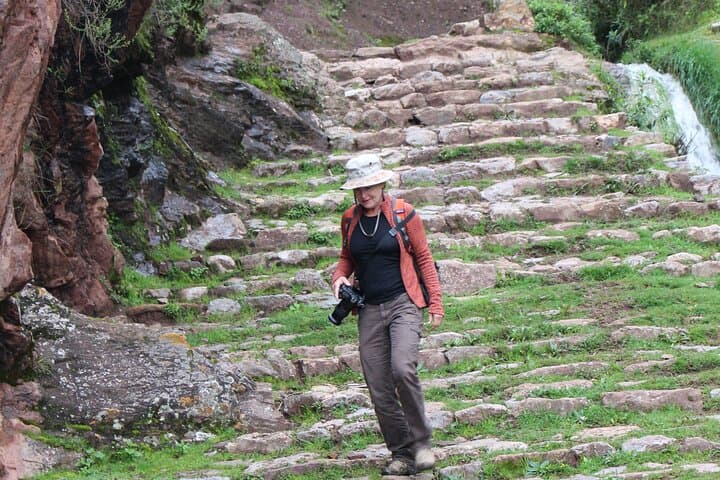
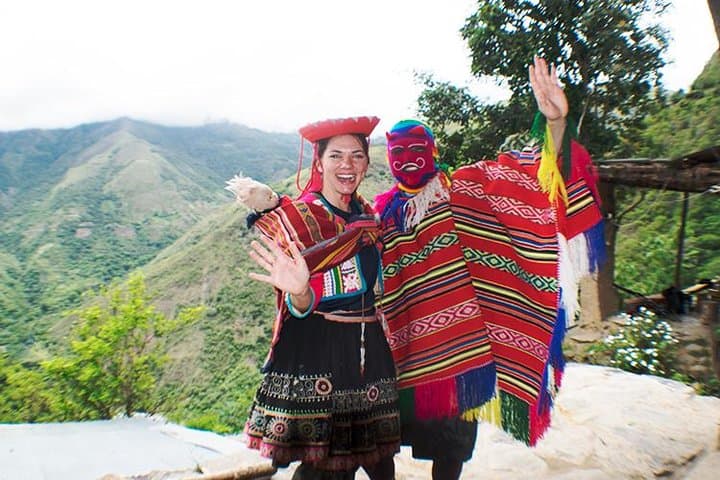
The route threads high Puna, cloud forest and lower jungle where the Urubamba River carves deep gorges and carries silt from glaciated peaks like Veronica. Archaeological sites such as Incatambo and Wamanmarca mark Inca connections to Vilcabamba; terraces and paths speak to agricultural engineering adapted to steep slopes and diverse microclimates. Local communities along the way grow coffee, cacao and fruit—expect to pass family plots and hot springs at Cocalmayo.
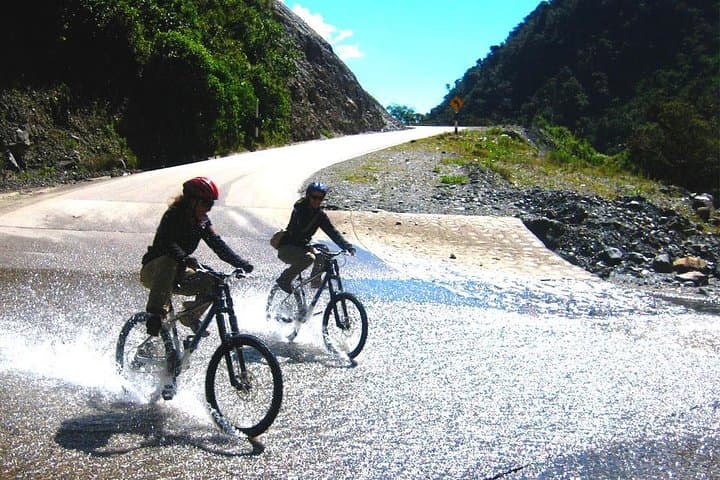
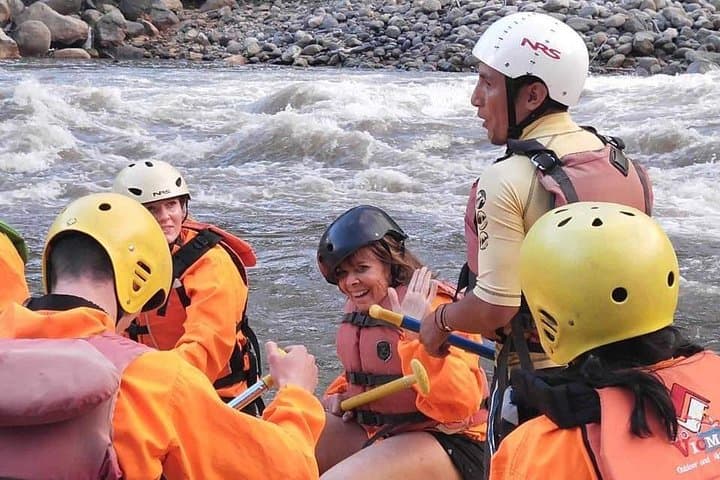
Practically, the program blends full-suspension mountain biking, two-hour Class II–III rafting, canopy zip lines and multi-hour day hikes (one day ~14 km, another ~16 km). Expect big elevation shifts—Malaga Pass at 4,350 m down to valley floors near 1,500–2,000 m—and humid, often wet conditions in lower stretches.
Prepare with layered clothing and sturdy trail shoes, be ready for rapid weather changes, and carry treats for long uphill sections. Guides provide bikes, helmets, rafting kit, oxygen and first aid but basic biking and rafting experience helps. Bookings typically include lodges, train to Ollantaytambo and entrance to Machu Picchu; permit windows and rainy-season conditions affect timing. For those who want variety—peddling, paddling and trekking in one tight package—the Inca Jungle delivers a high-energy path to one of South America’s great ruins.
moderate.
4 days.
Good aerobic fitness with experience in multi-hour hikes and basic mountain biking; comfortable with sustained descents and altitude changes.
The Malaga pass descent is long and fast with rough gravel; riders should be comfortable on technical descents and using gears and brakes—guides provide full-suspension bikes and helmets.
The highest point is about 4,350 m at Malaga pass; spending a day or two in Cusco beforehand and moving slowly on the first morning reduces symptoms—guides carry oxygen and first-aid kits.
Yes: breakfasts, lunches and dinners are listed across the itinerary and two countryside lodges plus a hotel in Aguas Calientes are included as described.
Yes—standard rafting is Class II–III with guides and safety gear provided; zip lines are supervised but a basic fitness level and openness to heights are required.
The Inca Jungle route follows older paths that linked highland settlements to lower valley-food zones; some stretches overlap historic Inca trail sections used for trade and retreat to Vilcabamba.
Visitor pressure and trail erosion are local concerns—stay on established tracks, avoid single-use plastics and follow guide instructions to limit impact.
Inti Peru Adventures operates guided outdoor trips and adventures with an emphasis on safety, stewardship, and memorable experiences.
At 4,350 meters the wind sharpens your breath and the Andes push back; within hours the air softens, orchids reappear and the trail loosens into the beginning of cloud forest. This is the Inca Jungle Trail: four days that trade the steady, packed path of the classic Inca trail for a mixed route of singletrack, river canyons and old Inca ways that end at the stonework of Machu Picchu.
At 4,350 meters the wind sharpens your breath and the Andes push back; within hours the air softens, orchids reappear and the trail loosens into the beginning of cloud forest. This is the Inca Jungle Trail: four days that trade the steady, packed path of the classic Inca trail for a mixed route of singletrack, river canyons and old Inca ways that end at the stonework of Machu Picchu.
The route threads high Puna, cloud forest and lower jungle where the Urubamba River carves deep gorges and carries silt from glaciated peaks like Veronica. Archaeological sites such as Incatambo and Wamanmarca mark Inca connections to Vilcabamba; terraces and paths speak to agricultural engineering adapted to steep slopes and diverse microclimates. Local communities along the way grow coffee, cacao and fruit—expect to pass family plots and hot springs at Cocalmayo.
Practically, the program blends full-suspension mountain biking, two-hour Class II–III rafting, canopy zip lines and multi-hour day hikes (one day ~14 km, another ~16 km). Expect big elevation shifts—Malaga Pass at 4,350 m down to valley floors near 1,500–2,000 m—and humid, often wet conditions in lower stretches.
Prepare with layered clothing and sturdy trail shoes, be ready for rapid weather changes, and carry treats for long uphill sections. Guides provide bikes, helmets, rafting kit, oxygen and first aid but basic biking and rafting experience helps. Bookings typically include lodges, train to Ollantaytambo and entrance to Machu Picchu; permit windows and rainy-season conditions affect timing. For those who want variety—peddling, paddling and trekking in one tight package—the Inca Jungle delivers a high-energy path to one of South America’s great ruins.