THE ADVENTURE COLLECTIVE® · Independent discovery and booking for outdoor travel

Descend from snowy Abra Málaga into humid canyons on this four-day Inca Jungle adventure—bike down the Andes, trek through coffee fields, zipline over cloud forest and finish at Machu Picchu. Expect long days, altitude shifts and varied terrain.
Descend from snowy Abra Málaga into humid canyons on this four-day Inca Jungle adventure—bike down the Andes, trek through coffee fields, zipline over cloud forest and finish at Machu Picchu. Expect long days, altitude shifts and varied terrain.
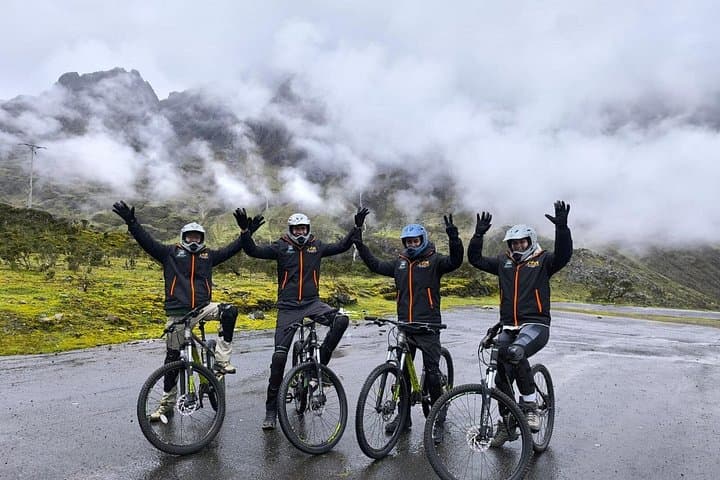
The first light at Abra Málaga is thin and cold; the track ahead drops hard, and your bike hums as the Andes begin to trade snow-scrubbed slopes for banana palms and coffee bushes. On this four-day Inca Jungle route you move from high-altitude wind to humid canyon air—bikes, boots and river craft guiding you toward the stone of Machu Picchu.
Verified experiences and guided adventures in the surrounding area.
Operated by Chullos Travel Peru · Cusco, Cusco
The first light at Abra Málaga is thin and cold; the track ahead drops hard, and your bike hums as the Andes begin to trade snow-scrubbed slopes for banana palms and coffee bushes. On this four-day Inca Jungle route you move from high-altitude wind to humid canyon air—bikes, boots and river craft guiding you toward the stone of Machu Picchu.
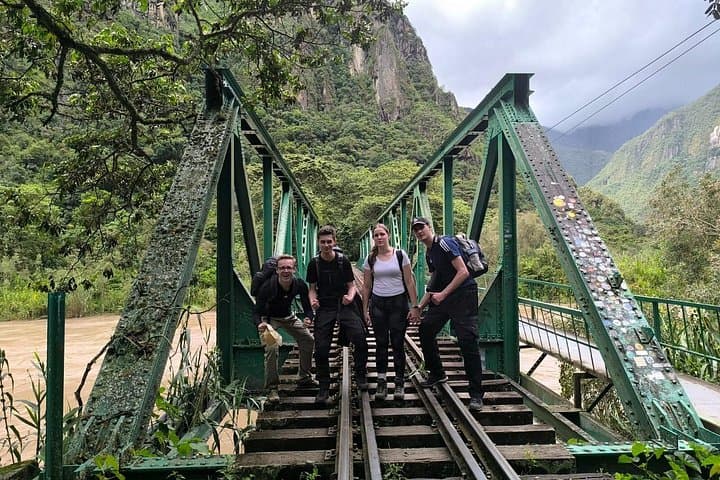
This route was created as an adventurous alternative to the classical Inca Trail. Geologically it's a corridor where the eastern Andes fall sharply into the Amazon watershed: steep volcanic ridges give way to narrow canyons carved by rivers that still dare you downstream. Culturally you'll pass Quechua farming plots—coca, cassava and coffee—and visit Inca outposts like Llactapata and Intiwatana, places that framed Inca sightlines to the citadel.
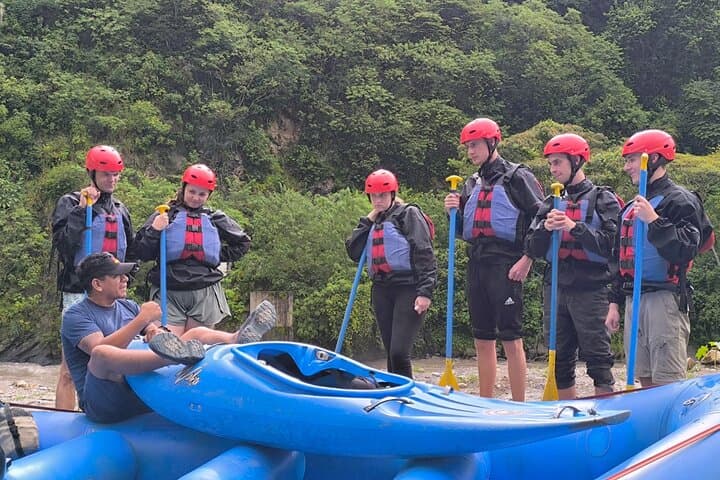
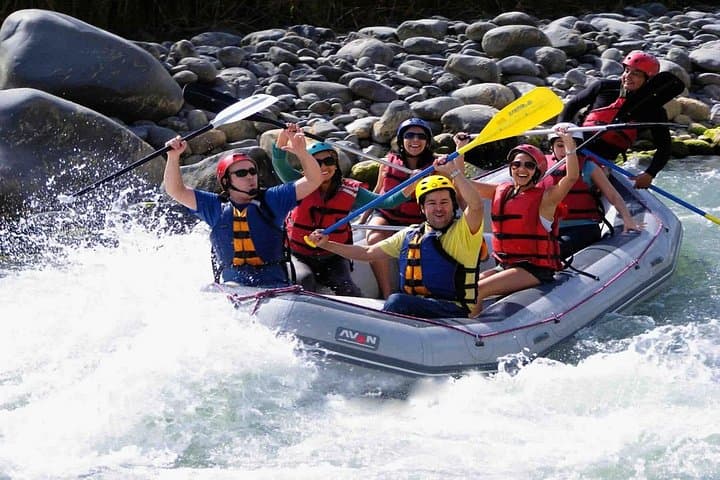
Expect singletrack descents, several hours of tropical trekking through secondary cloud forest, an afternoon zipline and a class II–III rafting stretch depending on water levels. Nights are spent in local hostales in Santa María, Santa Teresa and Aguas Calientes; meals are regional and often hearty carbohydrate fare to restore energy.
Practical guidance: acclimatize in Cusco for 1–2 days before departure, bring layered clothing for 4,300 m to river warmth, and use a hydration system with filtration or treated water. Wear grippy hiking shoes that dry quickly, and be ready to walk sections where terrain is steep or muddy. If you’re short on time, the Hidroeléctrica train option shortens the final day. Guides manage logistics and safety equipment—come prepared, fit and ready for long days with altitude and varied terrain.
challenging.
4 days.
Good aerobic fitness and leg strength; comfortable with multi-hour hikes and full-day biking; prior cycling experience recommended
You should be comfortable on a mountain bike and confident on descents; guides provide equipment and route management but some sections require controlled braking and balance.
The tour includes guided entry to Machu Picchu but entrance fees and some train options may not be included—confirm at booking.
Acclimatize in Cusco 24–48 hours, stay hydrated, ascend slowly and inform guides if symptoms appear; medication should be discussed with a doctor prior to travel.
Yes—there’s an option to take the train from Hidroeléctrica to Aguas Calientes if you opt out of the final 2-hour walk; train fare is typically not included.
This route threads Inca trail segments and agricultural corridors used to connect highland settlements to eastern valleys, with Llactapata and Intiwatana serving as observation and ceremonial points.
Stick to marked trails to protect regenerating cloud forest and coffee plots; local operators often support community tourism and waste-reduction practices.
Chullos Travel Peru operates guided outdoor trips and adventures with an emphasis on safety, stewardship, and memorable experiences.
The first light at Abra Málaga is thin and cold; the track ahead drops hard, and your bike hums as the Andes begin to trade snow-scrubbed slopes for banana palms and coffee bushes. On this four-day Inca Jungle route you move from high-altitude wind to humid canyon air—bikes, boots and river craft guiding you toward the stone of Machu Picchu.
The first light at Abra Málaga is thin and cold; the track ahead drops hard, and your bike hums as the Andes begin to trade snow-scrubbed slopes for banana palms and coffee bushes. On this four-day Inca Jungle route you move from high-altitude wind to humid canyon air—bikes, boots and river craft guiding you toward the stone of Machu Picchu.
This route was created as an adventurous alternative to the classical Inca Trail. Geologically it's a corridor where the eastern Andes fall sharply into the Amazon watershed: steep volcanic ridges give way to narrow canyons carved by rivers that still dare you downstream. Culturally you'll pass Quechua farming plots—coca, cassava and coffee—and visit Inca outposts like Llactapata and Intiwatana, places that framed Inca sightlines to the citadel.
Expect singletrack descents, several hours of tropical trekking through secondary cloud forest, an afternoon zipline and a class II–III rafting stretch depending on water levels. Nights are spent in local hostales in Santa María, Santa Teresa and Aguas Calientes; meals are regional and often hearty carbohydrate fare to restore energy.
Practical guidance: acclimatize in Cusco for 1–2 days before departure, bring layered clothing for 4,300 m to river warmth, and use a hydration system with filtration or treated water. Wear grippy hiking shoes that dry quickly, and be ready to walk sections where terrain is steep or muddy. If you’re short on time, the Hidroeléctrica train option shortens the final day. Guides manage logistics and safety equipment—come prepared, fit and ready for long days with altitude and varied terrain.