THE ADVENTURE COLLECTIVE® · Independent discovery and booking for outdoor travel

Four days of highland culture and carved stone: explore Cusco’s Inca centers, the markets and terraces of the Sacred Valley, then tour Machu Picchu with a local guide. Practical, compact and rich with history, this express route suits travelers who want the highlights without extended trekking.
Four days of highland culture and carved stone: explore Cusco’s Inca centers, the markets and terraces of the Sacred Valley, then tour Machu Picchu with a local guide. Practical, compact and rich with history, this express route suits travelers who want the highlights without extended trekking.
Mist drifts up the steep amphitheater of Machu Picchu as your guide points out the Intiwatana stone. The air here smells of wet earth and eucalyptus; below, the Urubamba River keeps carving the valley, daring you to look over its shoulders. Over four days you move from the high plazas of Cusco (3,400 m) down through the cultivated benches of the Sacred Valley and finally to the citadel at 2,430 m — a journey of shifting light, stonework and history.
Verified experiences and guided adventures in the surrounding area.
Operated by Rap Travel Peru · Cusco, Cusco Region
Mist drifts up the steep amphitheater of Machu Picchu as your guide points out the Intiwatana stone. The air here smells of wet earth and eucalyptus; below, the Urubamba River keeps carving the valley, daring you to look over its shoulders. Over four days you move from the high plazas of Cusco (3,400 m) down through the cultivated benches of the Sacred Valley and finally to the citadel at 2,430 m — a journey of shifting light, stonework and history.
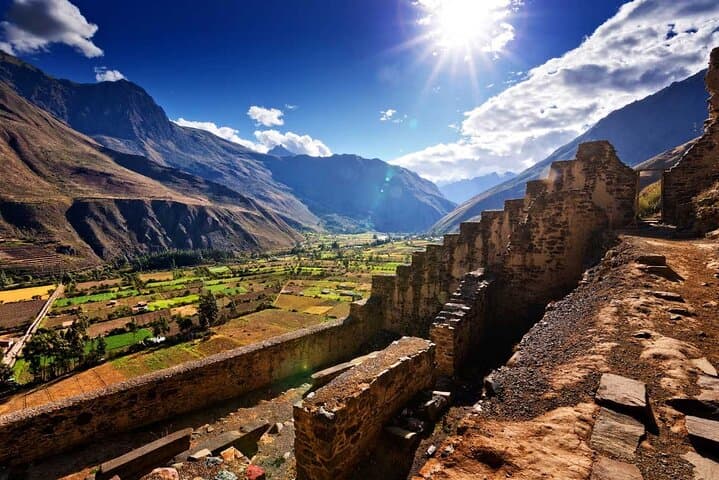
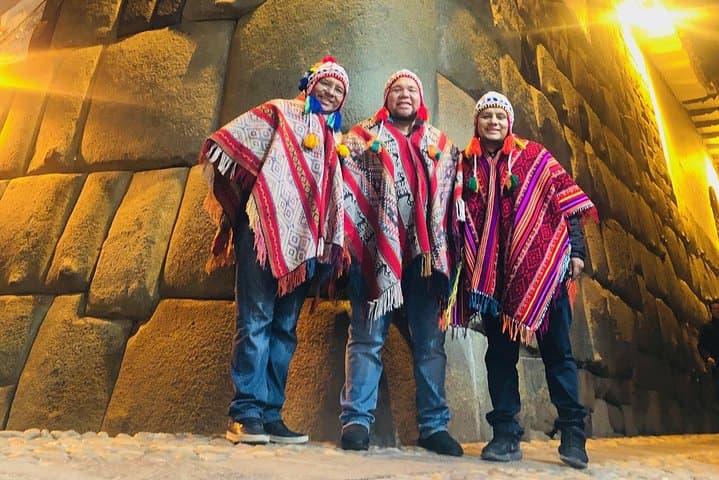
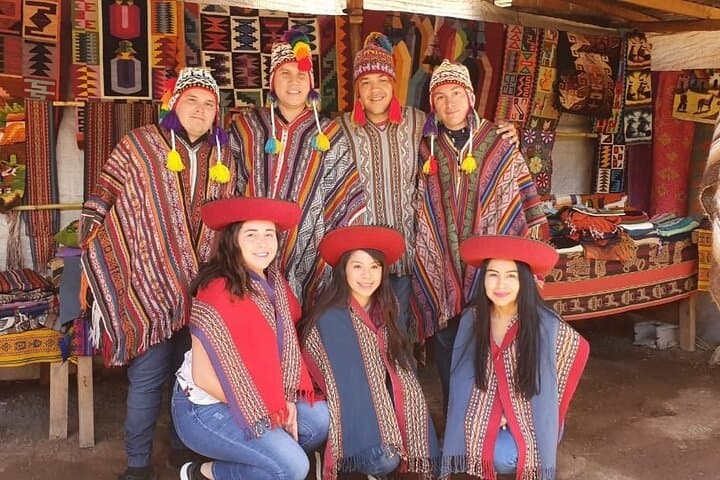
This itinerary threads colonial Cusco and Inca ceremonial centers — Koricancha, Sacsayhuamán, Qenqo — with the agricultural terraces and military architecture of Ollantaytambo. Geologically the valley is a deep Andean canyon carved by glacial-and-river action; archaeologically it’s an engineered landscape where stone meets agricultural logic. Local markets in Pisac offer textiles and techniques handed down generations, while Aguas Calientes is the functional gateway to Hiram Bingham’s rediscovered ruins.
Expect early mornings, a 2.5-hour guided Machu Picchu circuit, train segments (Ollantaytambo–Aguas Calientes ~1.5–2 hours) and short bus climbs to the sanctuary. Terrain underfoot ranges from cobbled Inca paths to steep stone staircases; walking a few kilometers each day with intermittent elevation changes is typical. Bring layers for cold mornings and sun for midday, and plan for altitude adjustment in Cusco before heavier exertion. Hydrate, pace uphill, and keep ticket and passport copies handy — permits and train times are fixed. This trip balances cultural immersion with manageable hiking and offers a concentrated, practical route to one of the Andes’ most iconic places.
moderate.
3–4 days.
Moderate fitness: able to walk several kilometers on uneven stone paths and handle short stair climbs at altitude.
Yes — entrance tickets are pre-dated and limited; this tour includes pre-arranged Machu Picchu tickets, so confirm your itinerary date before travel.
Cusco sits near 3,400 m, which can cause mild altitude symptoms; allow a day to acclimatize, avoid alcohol, hydrate and move at a steady pace.
This package includes tourist train travel (Expedition/Voyager level is typical) and the shuttle bus from Aguas Calientes to Machu Picchu; carriage class upgrades may require extra payment.
The itinerary includes uneven stone sites, stairs and bus/train transfers; it is not recommended for anyone with serious spinal, heart or mobility limitations.
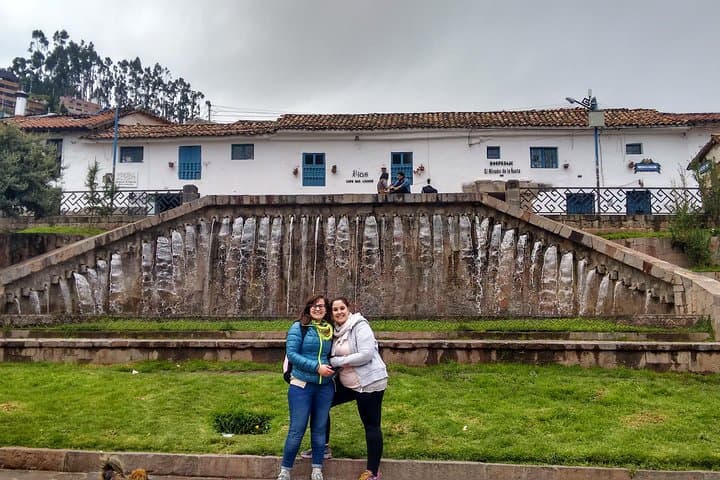
The route traces Inca imperial planning and later Spanish colonial overlays — plazas and churches in Cusco were often built atop Inca foundations.
Visitor caps and timed entry at Machu Picchu limit crowding; stick to marked trails, avoid single-use plastics and respect local guides to minimize impact.
Rap Travel Peru operates guided outdoor trips and adventures with an emphasis on safety, stewardship, and memorable experiences.
Mist drifts up the steep amphitheater of Machu Picchu as your guide points out the Intiwatana stone. The air here smells of wet earth and eucalyptus; below, the Urubamba River keeps carving the valley, daring you to look over its shoulders. Over four days you move from the high plazas of Cusco (3,400 m) down through the cultivated benches of the Sacred Valley and finally to the citadel at 2,430 m — a journey of shifting light, stonework and history.
Mist drifts up the steep amphitheater of Machu Picchu as your guide points out the Intiwatana stone. The air here smells of wet earth and eucalyptus; below, the Urubamba River keeps carving the valley, daring you to look over its shoulders. Over four days you move from the high plazas of Cusco (3,400 m) down through the cultivated benches of the Sacred Valley and finally to the citadel at 2,430 m — a journey of shifting light, stonework and history.
This itinerary threads colonial Cusco and Inca ceremonial centers — Koricancha, Sacsayhuamán, Qenqo — with the agricultural terraces and military architecture of Ollantaytambo. Geologically the valley is a deep Andean canyon carved by glacial-and-river action; archaeologically it’s an engineered landscape where stone meets agricultural logic. Local markets in Pisac offer textiles and techniques handed down generations, while Aguas Calientes is the functional gateway to Hiram Bingham’s rediscovered ruins.
Expect early mornings, a 2.5-hour guided Machu Picchu circuit, train segments (Ollantaytambo–Aguas Calientes ~1.5–2 hours) and short bus climbs to the sanctuary. Terrain underfoot ranges from cobbled Inca paths to steep stone staircases; walking a few kilometers each day with intermittent elevation changes is typical. Bring layers for cold mornings and sun for midday, and plan for altitude adjustment in Cusco before heavier exertion. Hydrate, pace uphill, and keep ticket and passport copies handy — permits and train times are fixed. This trip balances cultural immersion with manageable hiking and offers a concentrated, practical route to one of the Andes’ most iconic places.