THE ADVENTURE COLLECTIVE® · Independent discovery and booking for outdoor travel

See Roman Ephesus, walk the white travertine of Pamukkale and explore Cappadocia’s fairy chimneys on a condensed four‑day coach tour from Istanbul. Expect active walking, overnight buses and an optional balloon upgrade.
See Roman Ephesus, walk the white travertine of Pamukkale and explore Cappadocia’s fairy chimneys on a condensed four‑day coach tour from Istanbul. Expect active walking, overnight buses and an optional balloon upgrade.
A thrum of city traffic fades behind you as the overnight coach leaves Istanbul at dusk, headlights carving a ribbon toward ancient coastlines and volcanic plateaus. By morning the marble streets of Ephesus open like a stage; the Library of Celsus stares down its long paved avenue while gulls wheel above the Agora.
Verified experiences and guided adventures in the surrounding area.
Operated by Before Travel Agency · Istanbul, Istanbul
A thrum of city traffic fades behind you as the overnight coach leaves Istanbul at dusk, headlights carving a ribbon toward ancient coastlines and volcanic plateaus. By morning the marble streets of Ephesus open like a stage; the Library of Celsus stares down its long paved avenue while gulls wheel above the Agora.
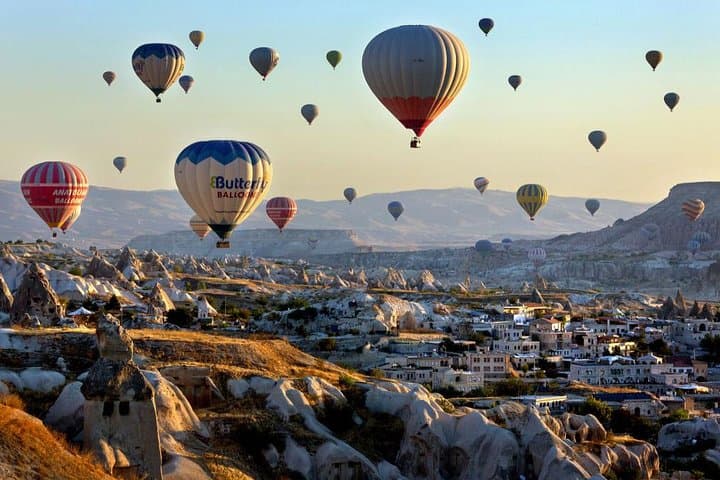
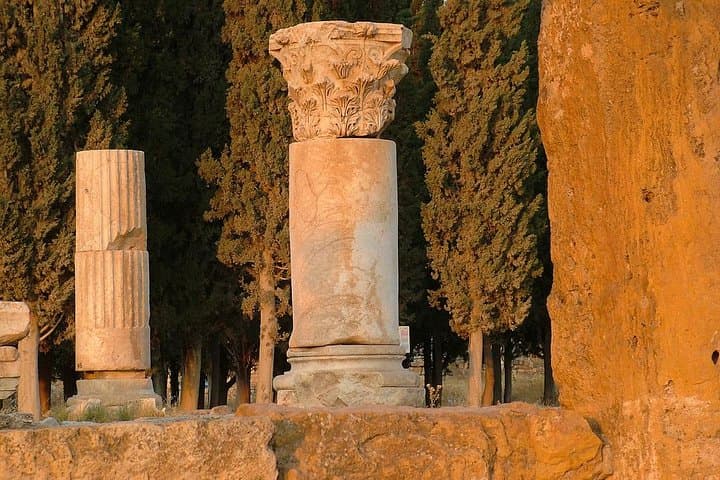
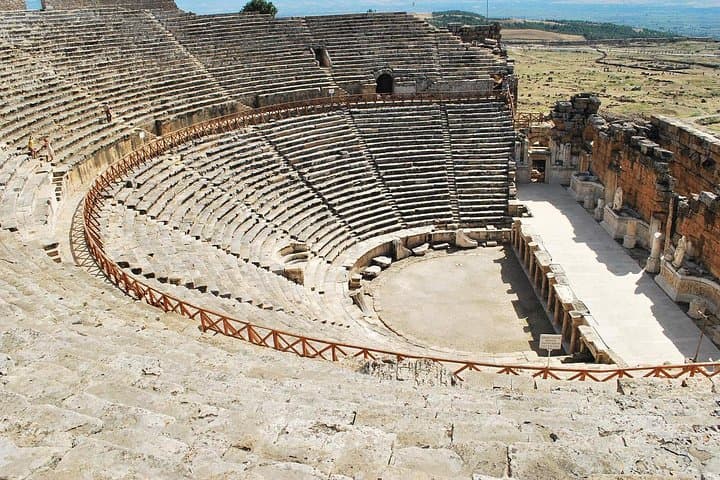
This compact four‑day loop threads three distinct geological stories: the travertine terraces of Pamukkale formed by mineral‑rich thermal waters; the tuff valleys and fairy chimneys of Cappadocia sculpted from volcanic ash; and Ephesus’ Roman grid that records a city of trade, worship and early Christian history. Local life punctuates each stop—Selçuk’s market stalls, the village wines of Şirince, pottery workshops in Avanos—and a guide links the dots between Ottoman-era towns and Roman ruins.
Expect active days: roughly 2–3 km of walking at Ephesus over uneven stone, a 3‑hour drive to Pamukkale, and short hikes in Cappadocia with modest elevation changes (up to a few hundred meters on valley rims). Comfortable walking shoes, sun protection and a daypack make the itinerary manageable; overnight buses compress travel time but plan for interrupted sleep. There’s an optional hot‑air balloon upgrade in Cappadocia—book early.
Practical rhythm matters: start early to avoid midday heat at the terraces, carry a refillable bottle, and respect site rules (no shoes on certain travertine paths). The trip is a concentrated primer on Turkey’s layered landscapes—geology daring you forward, history watching from the stone.
moderate.
4 days.
Suitable for travelers who can walk 2–5 km on uneven terrain and tolerate long bus transfers
The tour begins and ends at the operator’s office in Sultanahmet, Istanbul, with hotel pickups generally 30–60 minutes before departure.
No—balloon rides are an optional upgrade and should be reserved in advance due to limited availability and weather dependency.
Yes—buses accept checked luggage stored under the coach and a small carry‑on for the cabin; keep valuables with you.
The tour is family‑friendly but involves overnight bus travel and walking over uneven surfaces; infants may find transfers tiring.
Ephesus was a major Roman port and early Christian center; Hierapolis (near Pamukkale) developed around thermal springs used since antiquity.
Pamukkale’s travertine is protected—visitors must follow marked paths to prevent erosion; Cappadocia requires staying on trails to preserve fragile tuff formations.
Before Travel Agency operates guided outdoor trips and adventures with an emphasis on safety, stewardship, and memorable experiences.

A thrum of city traffic fades behind you as the overnight coach leaves Istanbul at dusk, headlights carving a ribbon toward ancient coastlines and volcanic plateaus. By morning the marble streets of Ephesus open like a stage; the Library of Celsus stares down its long paved avenue while gulls wheel above the Agora.
A thrum of city traffic fades behind you as the overnight coach leaves Istanbul at dusk, headlights carving a ribbon toward ancient coastlines and volcanic plateaus. By morning the marble streets of Ephesus open like a stage; the Library of Celsus stares down its long paved avenue while gulls wheel above the Agora.
This compact four‑day loop threads three distinct geological stories: the travertine terraces of Pamukkale formed by mineral‑rich thermal waters; the tuff valleys and fairy chimneys of Cappadocia sculpted from volcanic ash; and Ephesus’ Roman grid that records a city of trade, worship and early Christian history. Local life punctuates each stop—Selçuk’s market stalls, the village wines of Şirince, pottery workshops in Avanos—and a guide links the dots between Ottoman-era towns and Roman ruins.
Expect active days: roughly 2–3 km of walking at Ephesus over uneven stone, a 3‑hour drive to Pamukkale, and short hikes in Cappadocia with modest elevation changes (up to a few hundred meters on valley rims). Comfortable walking shoes, sun protection and a daypack make the itinerary manageable; overnight buses compress travel time but plan for interrupted sleep. There’s an optional hot‑air balloon upgrade in Cappadocia—book early.
Practical rhythm matters: start early to avoid midday heat at the terraces, carry a refillable bottle, and respect site rules (no shoes on certain travertine paths). The trip is a concentrated primer on Turkey’s layered landscapes—geology daring you forward, history watching from the stone.