THE ADVENTURE COLLECTIVE® · Independent discovery and booking for outdoor travel

A 4-day trek from Imlil through the Azzaden and Imnan valleys to Ait Mizan, offering waterfall views, terraced fields and nights in Berber guesthouses. Expect 3 days of walking on rocky mule tracks with local guides and mule support.
A 4-day trek from Imlil through the Azzaden and Imnan valleys to Ait Mizan, offering waterfall views, terraced fields and nights in Berber guesthouses. Expect 3 days of walking on rocky mule tracks with local guides and mule support.
Morning light cuts across the terraces as you step out of a Berber guesthouse in Imlil, the air sharp and already warming with the sun. The mule tracks wind upward through corn and barley fields, and the Azzaden Valley opens in color—stone villages clinging to slopes, a waterfall carving the plateau below Tazagahrt. Trails here are honest: rocky switchbacks, packed dirt, and wet sections near streams that dare you to keep moving.
Verified experiences and guided adventures in the surrounding area.
Operated by Biking in Morocco day tours · Imlil, Marrakech-Safi
Morning light cuts across the terraces as you step out of a Berber guesthouse in Imlil, the air sharp and already warming with the sun. The mule tracks wind upward through corn and barley fields, and the Azzaden Valley opens in color—stone villages clinging to slopes, a waterfall carving the plateau below Tazagahrt. Trails here are honest: rocky switchbacks, packed dirt, and wet sections near streams that dare you to keep moving.
The High Atlas is geologically young and rugged, pushed up by the African and Eurasian plates; the valleys around Imlil show steep erosion channels and man-made terraces that reflect centuries of mountain agriculture. Culturally, the route threads Berber villages where local guides and mule handlers remain integral—language, tea rituals, and communal kitchens shape the pace of travel.
Expect three days of trekking with one or more nights in local guesthouses; daily walking distances commonly range 6–12 km with elevation changes of 200–800 m depending on route choices. Terrain alternates between mule tracks, loose scree and stone steps; waterproof footwear and steady ankles matter.
Practical guidance: start early to avoid midday heat, carry layered clothing for cool mornings and warm afternoons, and use a small daypack since mules handle luggage. Hydration and sun protection are essential; your guide will read trail conditions and adjust for weather. This trek offers accessible mountain scenery, close cultural exchange, and waterfall-dotted plateaus—the kind of trip where the landscape pushes and the local people invite you to slow down and observe.
moderate.
3–4 days.
Reasonable aerobic fitness and comfort on uneven ground; able to walk 6–12 km with 200–800 m daily gain.
Moderate fitness is required: expect several hours of walking each day on uneven terrain with some sustained climbs; regular walkers and hikers will be comfortable.
Yes—meals during the trek and nights in Berber guesthouses are typically included, with a cook and guide handling food and logistics.
Operators commonly modify routes and durations; discuss options with the provider before booking to adjust pacing or add acclimatization time.
No—mules and handlers carry main luggage during trekking days; bring a small daypack for essentials and valuables.
The High Atlas has been home to Berber (Amazigh) communities for millennia; terraces and irrigation reflect long-standing mountain agriculture and trade routes connecting valleys to Marrakech.
Stick to established trails and avoid collecting plants; local guides support low-impact tourism and many villages rely on trekking income to maintain cultural landscapes.
Biking in Morocco day tours operates guided outdoor trips and adventures with an emphasis on safety, stewardship, and memorable experiences.
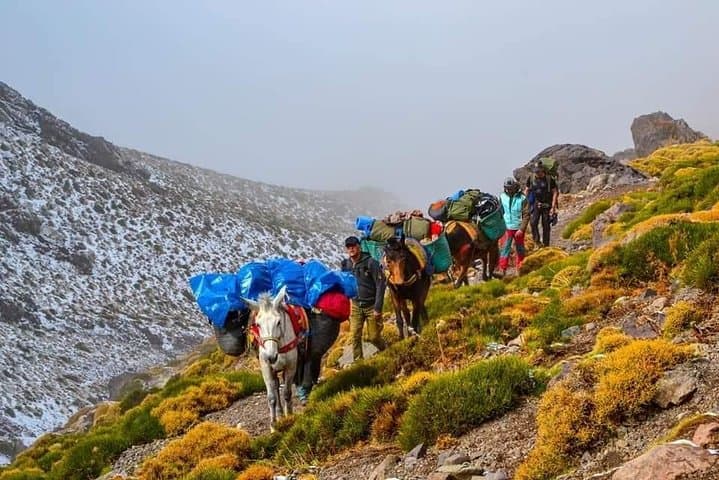
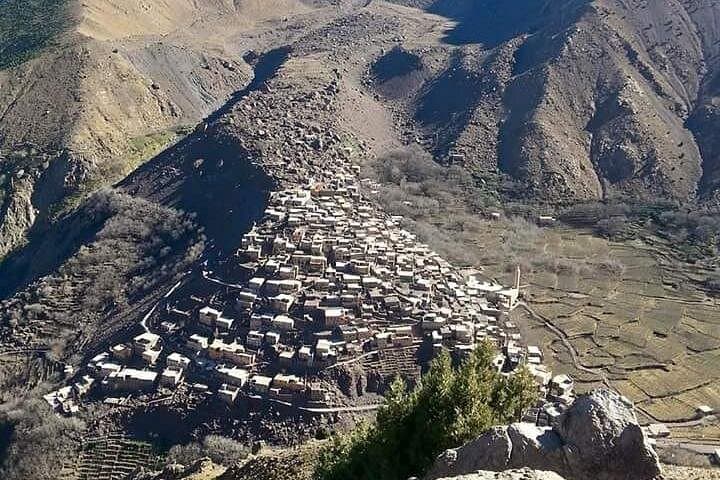
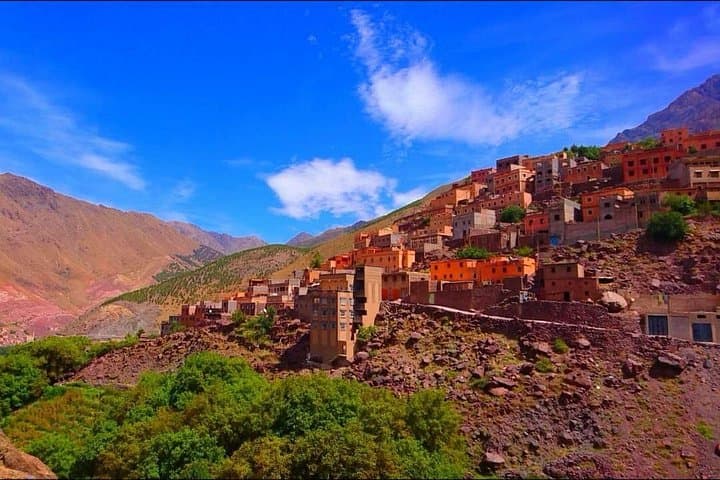
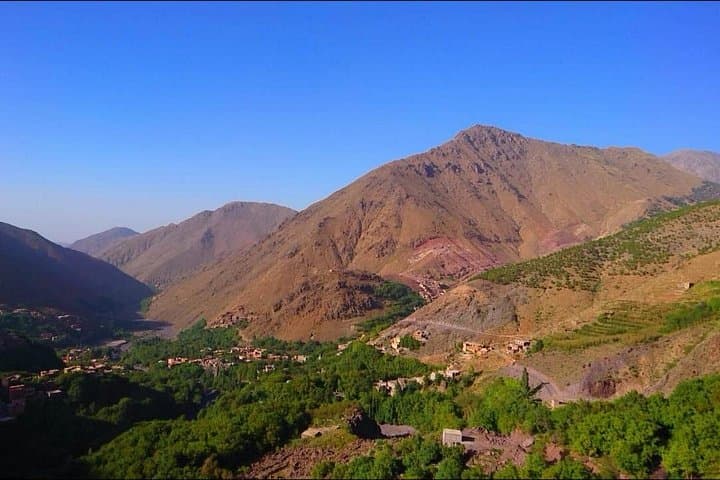
Morning light cuts across the terraces as you step out of a Berber guesthouse in Imlil, the air sharp and already warming with the sun. The mule tracks wind upward through corn and barley fields, and the Azzaden Valley opens in color—stone villages clinging to slopes, a waterfall carving the plateau below Tazagahrt. Trails here are honest: rocky switchbacks, packed dirt, and wet sections near streams that dare you to keep moving.
Morning light cuts across the terraces as you step out of a Berber guesthouse in Imlil, the air sharp and already warming with the sun. The mule tracks wind upward through corn and barley fields, and the Azzaden Valley opens in color—stone villages clinging to slopes, a waterfall carving the plateau below Tazagahrt. Trails here are honest: rocky switchbacks, packed dirt, and wet sections near streams that dare you to keep moving.
The High Atlas is geologically young and rugged, pushed up by the African and Eurasian plates; the valleys around Imlil show steep erosion channels and man-made terraces that reflect centuries of mountain agriculture. Culturally, the route threads Berber villages where local guides and mule handlers remain integral—language, tea rituals, and communal kitchens shape the pace of travel.
Expect three days of trekking with one or more nights in local guesthouses; daily walking distances commonly range 6–12 km with elevation changes of 200–800 m depending on route choices. Terrain alternates between mule tracks, loose scree and stone steps; waterproof footwear and steady ankles matter.
Practical guidance: start early to avoid midday heat, carry layered clothing for cool mornings and warm afternoons, and use a small daypack since mules handle luggage. Hydration and sun protection are essential; your guide will read trail conditions and adjust for weather. This trek offers accessible mountain scenery, close cultural exchange, and waterfall-dotted plateaus—the kind of trip where the landscape pushes and the local people invite you to slow down and observe.