THE ADVENTURE COLLECTIVE® · Independent discovery and booking for outdoor travel

A hands-on, four-day Amazon expedition from Iquitos combining boat travel, shoreline hikes and nights in basic shelters. Expect dolphin sightings, medicinal-plant walks and giant water-lily flats with experienced local guides.
A hands-on, four-day Amazon expedition from Iquitos combining boat travel, shoreline hikes and nights in basic shelters. Expect dolphin sightings, medicinal-plant walks and giant water-lily flats with experienced local guides.
You step off a battered skiff into a green world where the river seems to decide your pace — it pushes you forward while the canopy above calms the air into dim, humid stillness.
Verified experiences and guided adventures in the surrounding area.
Operated by Green Wild Amazon Expedition · Iquitos, Loreto
You step off a battered skiff into a green world where the river seems to decide your pace — it pushes you forward while the canopy above calms the air into dim, humid stillness.
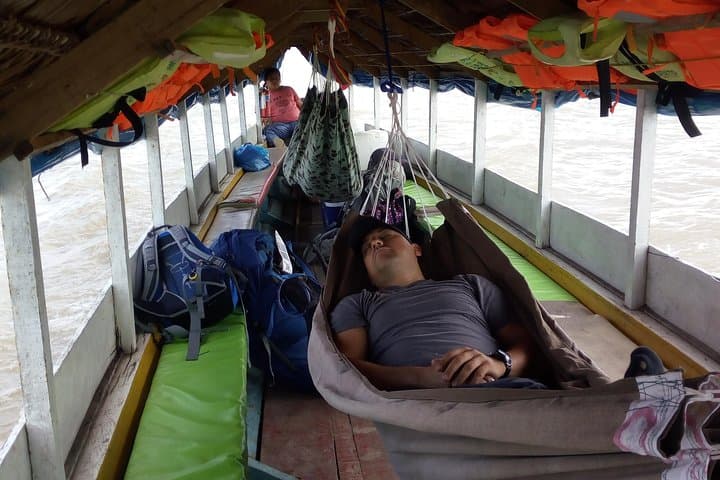
This four-day Amazon expedition out of Iquitos mixes slow boat travel with shoreline hikes and nights in simple shelters. The riverbanks host giant Victoria water lilies that cradle the surface and fractal root systems that trap the light; early mornings often bring curious gray and pink dolphins cutting through mirror-flat oxbow lakes. Guides introduce you to medicinal plants used for generations by local communities and point out trees that remember the rubber-boom era and older indigenous land uses.
Geologically this stretch of the Amazon is recent alluvium, a plain of rich silt and seasonal channels that rearrange every wet season; culturally, the region around Iquitos blends mestizo river towns with indigenous families whose knowledge shapes the route and camps.
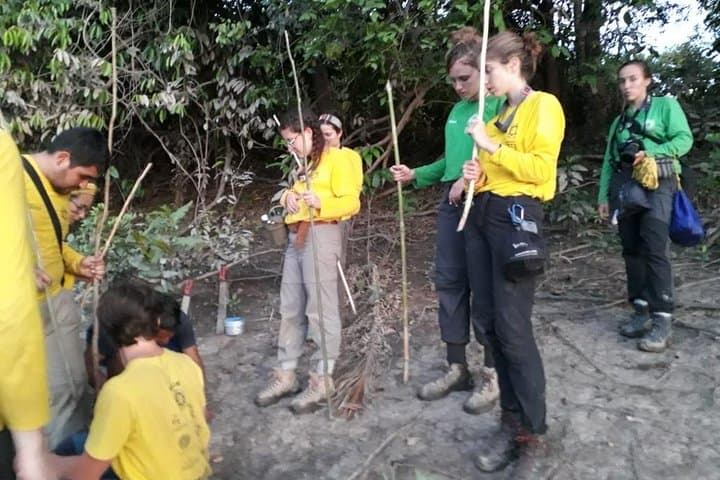
Practically: expect multiple short hikes (uneven, muddy trails), daily boat transfers, and camping-style shelters with communal meals included. Physical demand is moderate — trails are not technical but can be slippery and hot. Pack quick-dry clothing, reliable insect protection, and a headlamp; aim to travel light because vessel space is limited. Dawn and dusk are best for wildlife viewing; midday is humid and best spent under shade or on the boat.
Respect local rhythms: follow guides when approaching villages, avoid single-use plastics, and carry biodegradable toiletries. The Amazon here is active and opinionated — move with it, and it will reveal uncommon wildlife and quiet river moments.
moderate.
4 days.
Moderate fitness — able to walk 2–4 hours over uneven terrain and handle boat transfers and humidity
Accommodations are basic campsite shelters or simple riverfront structures with shared facilities — not full-service lodges.
Yes — breakfasts, lunches and most dinners are included and prepared by the crew, with local ingredients and river fish common.
Sightings of gray and pink river dolphins are common on these routes but never guaranteed; mornings and calm oxbow lakes increase chances.
Not recommended for travelers with significant spinal, heart or pregnancy-related conditions; children and older travelers should be in moderate physical condition and able to manage simple camping conditions.
Iquitos grew rapidly during the late 19th-century rubber boom; river routes remain the primary highways linking remote communities. Indigenous knowledge still informs plant use and navigation.
Respect for waterways is critical — bring reusable containers and follow guide instructions to minimize erosion, trail damage and wildlife disturbance.
Green Wild Amazon Expedition operates guided outdoor trips and adventures with an emphasis on safety, stewardship, and memorable experiences.

You step off a battered skiff into a green world where the river seems to decide your pace — it pushes you forward while the canopy above calms the air into dim, humid stillness.
You step off a battered skiff into a green world where the river seems to decide your pace — it pushes you forward while the canopy above calms the air into dim, humid stillness.
This four-day Amazon expedition out of Iquitos mixes slow boat travel with shoreline hikes and nights in simple shelters. The riverbanks host giant Victoria water lilies that cradle the surface and fractal root systems that trap the light; early mornings often bring curious gray and pink dolphins cutting through mirror-flat oxbow lakes. Guides introduce you to medicinal plants used for generations by local communities and point out trees that remember the rubber-boom era and older indigenous land uses.
Geologically this stretch of the Amazon is recent alluvium, a plain of rich silt and seasonal channels that rearrange every wet season; culturally, the region around Iquitos blends mestizo river towns with indigenous families whose knowledge shapes the route and camps.
Practically: expect multiple short hikes (uneven, muddy trails), daily boat transfers, and camping-style shelters with communal meals included. Physical demand is moderate — trails are not technical but can be slippery and hot. Pack quick-dry clothing, reliable insect protection, and a headlamp; aim to travel light because vessel space is limited. Dawn and dusk are best for wildlife viewing; midday is humid and best spent under shade or on the boat.
Respect local rhythms: follow guides when approaching villages, avoid single-use plastics, and carry biodegradable toiletries. The Amazon here is active and opinionated — move with it, and it will reveal uncommon wildlife and quiet river moments.