THE ADVENTURE COLLECTIVE® · Independent discovery and booking for outdoor travel

Cover Greece’s classical highlights in four days: Mycenae and Epidauros, Olympia’s stadium, Delphi’s oracle, and the sky-piercing monasteries of Meteora. This guided coach tour pairs included entrances and hotel nights with practical on-site guidance.
Cover Greece’s classical highlights in four days: Mycenae and Epidauros, Olympia’s stadium, Delphi’s oracle, and the sky-piercing monasteries of Meteora. This guided coach tour pairs included entrances and hotel nights with practical on-site guidance.
You step onto the coach in Athens as morning light softens marble and traffic—urban buzz giving way to cork and olive-scented air. The first hours move through the slim, dramatic cut of the Corinth Canal, then to a stone theatre whose acoustics still carry a single clear voice across rows of weathered seats.
Verified experiences and guided adventures in the surrounding area.
Operated by Greek Travel Advisors · Athens, Attica
You step onto the coach in Athens as morning light softens marble and traffic—urban buzz giving way to cork and olive-scented air. The first hours move through the slim, dramatic cut of the Corinth Canal, then to a stone theatre whose acoustics still carry a single clear voice across rows of weathered seats.
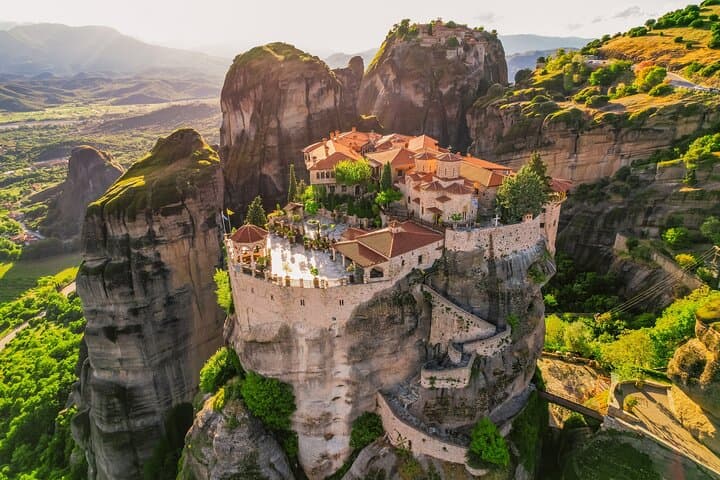
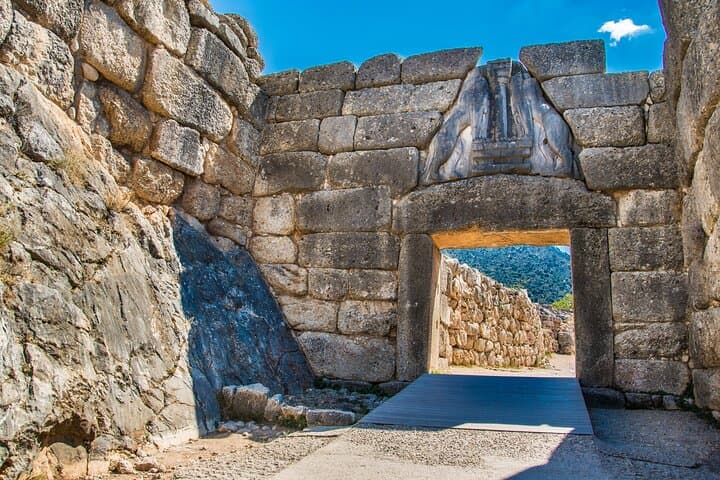
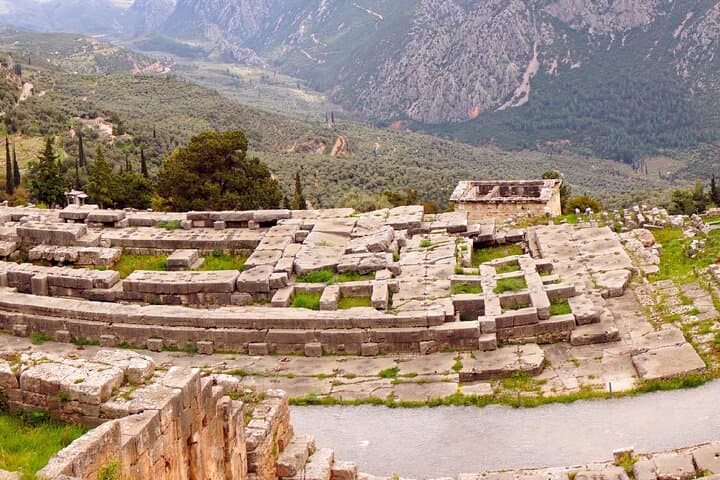
This itinerary threads three eras of Greek history: Mycenaean citadels and the Lion Gate; Olympia’s stadium where the first Olympic flame was imagined; Delphi’s oracle perched on a slope of Mount Parnassus; and Meteora’s Byzantine monasteries perched on volcanic pillars. Geology and human curiosity combine—the limestone pillars of Meteora rose from seabed uplift and millennia of erosion, while fertile Peloponnesian plains sheltered Bronze Age citadels.
Local culture is direct and tactile: tavernas serve slow-cooked lamb and olive oil, small mountain towns trade crafts and regional wine, and monastery attendants ask for modest dress. The tour balances guided archaeological site visits (many with included entrance fees) with coach transfers and short walks—expect cobbled paths, stone terraces, and stair climbs at monasteries.
Practical pointers: wear broken-in walking shoes, bring layered clothing for cool mornings and warm afternoons, and carry a refillable water bottle. Respect dress codes at religious sites (shoulders and knees covered) and allow time for site museums—Delphi’s Charioteer rewards a patient visit. This is a compact, logistics-forward way to see Greece’s classical spine in four days—historically rich, not strenuous, and best scheduled in spring or fall to avoid peak heat and crowds.
moderate.
4 days (approx. 48–60 hours including travel).
Moderate fitness: able to walk on uneven ground, climb stairs, and endure several 1–2 hour guided visits per day
Entrance fees for Epidauros, Mycenae, Olympia site & Museum, Delphi site & Museum and two Meteora monasteries are included as listed; some monastery interiors are self-guided.
The tour departs from central Athens (metro-accessible pickup points) and returns to Athens by early evening on day four.
The tour involves walking on uneven surfaces and stairs; it is not recommended for travelers with significant mobility limitations or serious back/heart conditions.
Knees and shoulders must be covered for both men and women; avoid shorts and sleeveless tops to ensure entry to monasteries and some museums.
The route connects Mycenaean Bronze Age citadels, Olympia where the ancient Olympic Games began, Delphi’s pan-Hellenic sanctuary, and Byzantine-era monasteries of Meteora.
Visitor pressure is managed at monastery sites with dress codes and limited access—stay on marked paths, avoid touching fragile ruins, and support local businesses to ensure sustainable tourism.
Greek Travel Advisors operates guided outdoor trips and adventures with an emphasis on safety, stewardship, and memorable experiences.
You step onto the coach in Athens as morning light softens marble and traffic—urban buzz giving way to cork and olive-scented air. The first hours move through the slim, dramatic cut of the Corinth Canal, then to a stone theatre whose acoustics still carry a single clear voice across rows of weathered seats.
You step onto the coach in Athens as morning light softens marble and traffic—urban buzz giving way to cork and olive-scented air. The first hours move through the slim, dramatic cut of the Corinth Canal, then to a stone theatre whose acoustics still carry a single clear voice across rows of weathered seats.
This itinerary threads three eras of Greek history: Mycenaean citadels and the Lion Gate; Olympia’s stadium where the first Olympic flame was imagined; Delphi’s oracle perched on a slope of Mount Parnassus; and Meteora’s Byzantine monasteries perched on volcanic pillars. Geology and human curiosity combine—the limestone pillars of Meteora rose from seabed uplift and millennia of erosion, while fertile Peloponnesian plains sheltered Bronze Age citadels.
Local culture is direct and tactile: tavernas serve slow-cooked lamb and olive oil, small mountain towns trade crafts and regional wine, and monastery attendants ask for modest dress. The tour balances guided archaeological site visits (many with included entrance fees) with coach transfers and short walks—expect cobbled paths, stone terraces, and stair climbs at monasteries.
Practical pointers: wear broken-in walking shoes, bring layered clothing for cool mornings and warm afternoons, and carry a refillable water bottle. Respect dress codes at religious sites (shoulders and knees covered) and allow time for site museums—Delphi’s Charioteer rewards a patient visit. This is a compact, logistics-forward way to see Greece’s classical spine in four days—historically rich, not strenuous, and best scheduled in spring or fall to avoid peak heat and crowds.