THE ADVENTURE COLLECTIVE® · Independent discovery and booking for outdoor travel

Head into Tanzania’s largest national park for four days of river-side game drives, birdwatching and remote camp nights. Expect long drives, early starts, and concentrated wildlife around the Great Ruaha River.
Head into Tanzania’s largest national park for four days of river-side game drives, birdwatching and remote camp nights. Expect long drives, early starts, and concentrated wildlife around the Great Ruaha River.
A raw dawn breaks as the convoy crosses red earth toward the Great Ruaha, the river daring you with sudden stretches of mirror and thunder where rains swell its channel. Dust rises off the track and the first shrike or hornbill calls from an acacia; inside the vehicle, anticipation is quiet but present.
Verified experiences and guided adventures in the surrounding area.
Operated by Enroute Africa · Iringa, Iringa Region
A raw dawn breaks as the convoy crosses red earth toward the Great Ruaha, the river daring you with sudden stretches of mirror and thunder where rains swell its channel. Dust rises off the track and the first shrike or hornbill calls from an acacia; inside the vehicle, anticipation is quiet but present.
Ruaha National Park is Tanzania’s largest protected area and a landscape shaped by Miombo woodlands, seasonal sand rivers and the Great Ruaha itself. Geology here is old—folded schist and granite give way to broad floodplains that concentrate game in the dry months. The region carries layers of human history too: pastoral routes, Hehe and other local communities, and a growing network of tented camps near river bends.
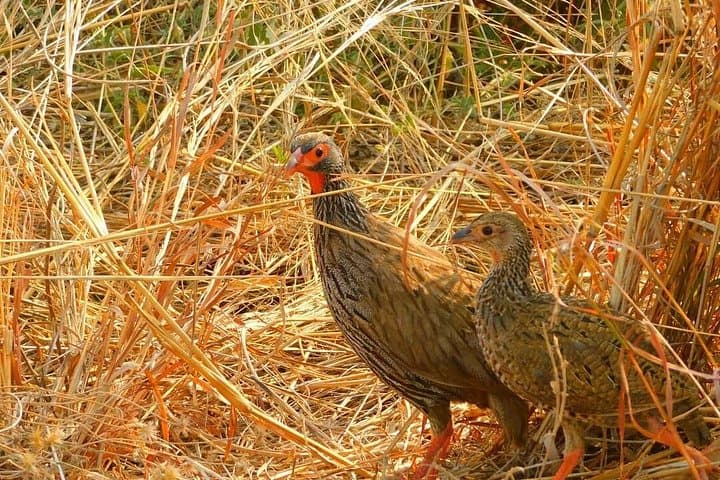
On safari you’ll trade long vistas for sudden, intimate scenes—lions along the shore, leopards slipping into shade, and flocks that earned Ruaha its reputation with more than 300 bird species. The park’s remoteness is its character: fewer vehicles, late-afternoon light that shapes the landscape, and camps that feel like outposts rather than hotels.
Practical guidance is straightforward. Days start early—be ready for 6:00 a.m. departures—because wildlife is most active in cool hours and along permanent water. Expect long drives from Dar es Salaam (about eight hours overland) or plan a flight into nearby airstrips when available. Bring binoculars, sun protection, sturdy shoes for short walks, and a patient lens: sightings are best when you are steady, quiet, and present. Respect vehicle rules around predators, carry refillable water, and budget for park fees and tipping locally. This is a safari that rewards patience: the river pulls animals in, and if you sit with it, the park will give you its best stories.
easy.
4 days.
Suitable for travelers in average fitness who can handle multiple hours in a vehicle and short walks; not physically demanding.
This itinerary includes an overland transfer of about eight hours with stops in Mikumi and Iringa; alternatives include charter or scheduled flights into nearby airstrips where available.
Accommodations at Mdonya Old River Camp, Tandala Tented Camp or Ruaha River Lodge are listed in the itinerary; confirm whether park entrance fees are included with your booking.
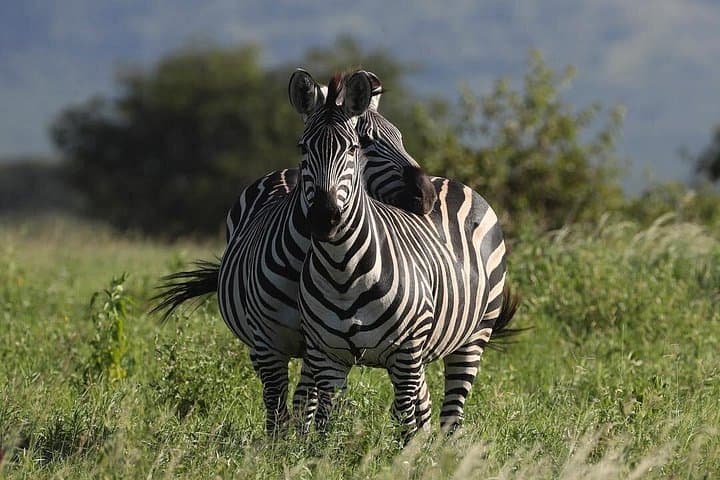
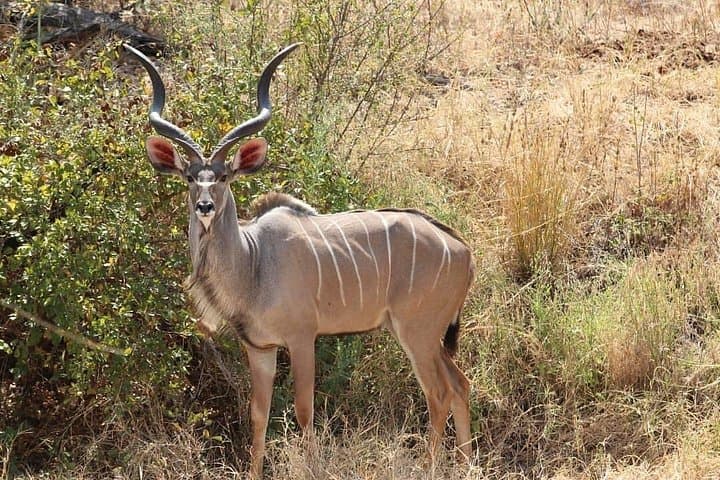
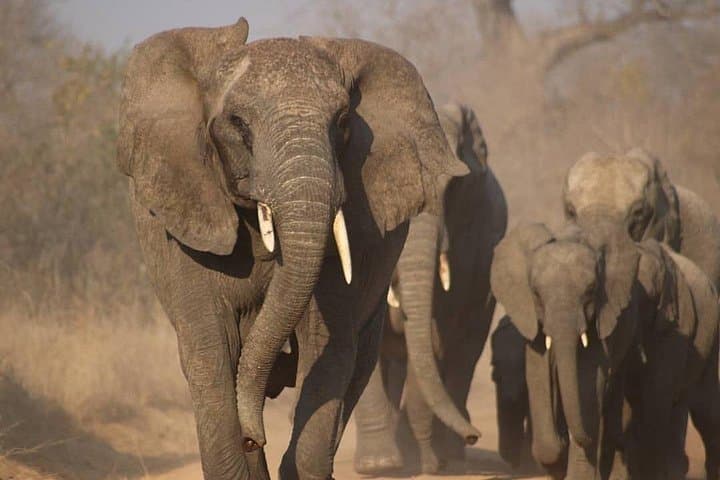
Expect lions, leopards, hyena, jackal, waterbuck, impala and the rare African wild dog; Ruaha is also noted for its birdlife—around 350 species.
The tour is generally suitable for most fitness levels but is not recommended for travelers with spinal injuries, serious heart conditions, or for pregnant guests—consult the operator before booking.
Ruaha became recognized for its size and ecological value as Tanzania expanded protected areas; the park conserves traditional pastoral corridors and extensive miombo woodlands.
Lower visitor numbers and remote camps help limit disturbance, but pressures on water and wildlife corridors persist—support guide-led rules, local camps, and leave-no-trace practices.
Enroute Africa operates guided outdoor trips and adventures with an emphasis on safety, stewardship, and memorable experiences.
A raw dawn breaks as the convoy crosses red earth toward the Great Ruaha, the river daring you with sudden stretches of mirror and thunder where rains swell its channel. Dust rises off the track and the first shrike or hornbill calls from an acacia; inside the vehicle, anticipation is quiet but present.
A raw dawn breaks as the convoy crosses red earth toward the Great Ruaha, the river daring you with sudden stretches of mirror and thunder where rains swell its channel. Dust rises off the track and the first shrike or hornbill calls from an acacia; inside the vehicle, anticipation is quiet but present.
Ruaha National Park is Tanzania’s largest protected area and a landscape shaped by Miombo woodlands, seasonal sand rivers and the Great Ruaha itself. Geology here is old—folded schist and granite give way to broad floodplains that concentrate game in the dry months. The region carries layers of human history too: pastoral routes, Hehe and other local communities, and a growing network of tented camps near river bends.
On safari you’ll trade long vistas for sudden, intimate scenes—lions along the shore, leopards slipping into shade, and flocks that earned Ruaha its reputation with more than 300 bird species. The park’s remoteness is its character: fewer vehicles, late-afternoon light that shapes the landscape, and camps that feel like outposts rather than hotels.
Practical guidance is straightforward. Days start early—be ready for 6:00 a.m. departures—because wildlife is most active in cool hours and along permanent water. Expect long drives from Dar es Salaam (about eight hours overland) or plan a flight into nearby airstrips when available. Bring binoculars, sun protection, sturdy shoes for short walks, and a patient lens: sightings are best when you are steady, quiet, and present. Respect vehicle rules around predators, carry refillable water, and budget for park fees and tipping locally. This is a safari that rewards patience: the river pulls animals in, and if you sit with it, the park will give you its best stories.