THE ADVENTURE COLLECTIVE® · Independent discovery and booking for outdoor travel

Spend four days traveling from Entebbe to Bwindi Impenetrable for an up-close mountain gorilla encounter. This multi-day trek blends rugged forest travel, cultural village visits, and guided conservation-focused tracking.
Spend four days traveling from Entebbe to Bwindi Impenetrable for an up-close mountain gorilla encounter. This multi-day trek blends rugged forest travel, cultural village visits, and guided conservation-focused tracking.
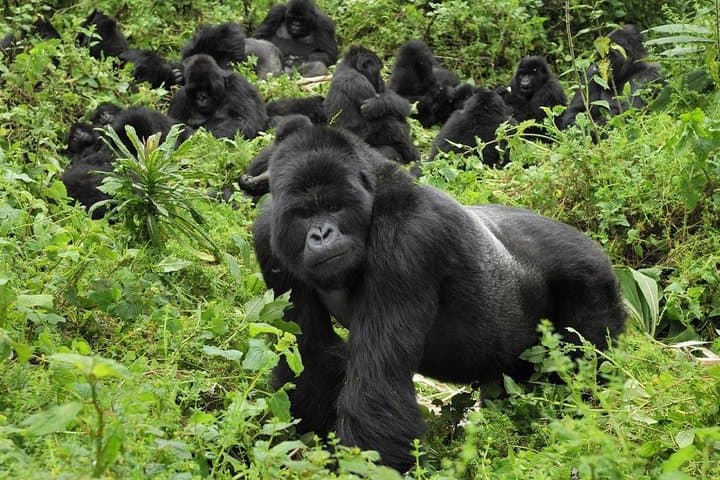
Dawn presses through the wet canopy as your driver climbs toward Bwindi’s ridgelines; mist peels off moss-covered trunks and the forest seems to breathe around you. On Day 3, after a pre-dawn briefing, you step into a green room of bamboo and towering fig trees, where the first snap of broken stalks announces the gorilla family ahead.
Verified experiences and guided adventures in the surrounding area.
Operated by Sight View Safaris · Kisoro, Kanungu District
Dawn presses through the wet canopy as your driver climbs toward Bwindi’s ridgelines; mist peels off moss-covered trunks and the forest seems to breathe around you. On Day 3, after a pre-dawn briefing, you step into a green room of bamboo and towering fig trees, where the first snap of broken stalks announces the gorilla family ahead.
Bwindi Impenetrable National Park sits on ancient Albertine Rift soils — folded, weathered basalt and volcanic deposits that created steep ridges and deep valleys. Designated a UNESCO World Heritage site in 1994, Bwindi protects one of the planet’s last mountain gorilla populations and supports villages whose lives are woven into the forest economy. Local guides often arrange brief community visits and homestays so tourism dollars reach schools, markets and conservation patrols.
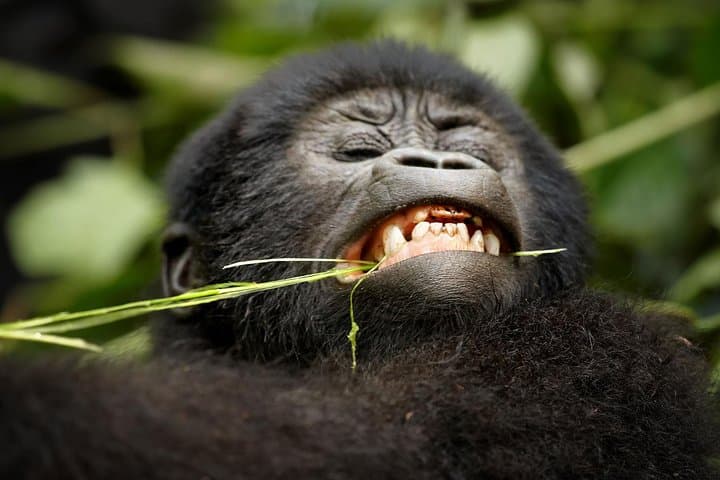
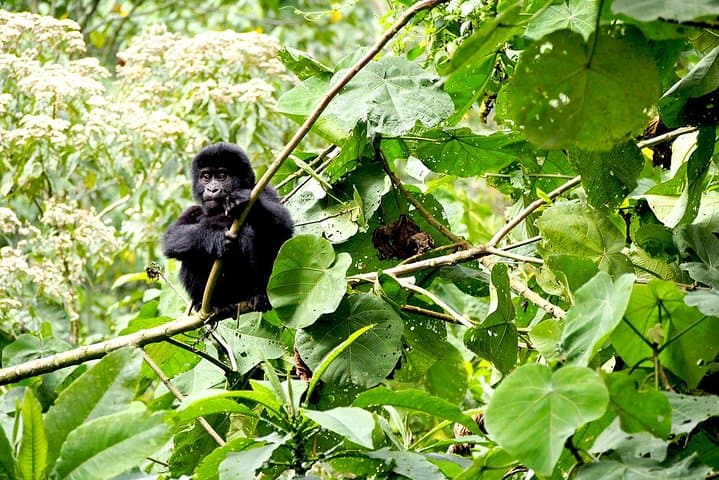
Tracking is part wildlife viewing, part navigation through mixed montane forest and bamboo gullies. Treks vary from short, firm trails to strenuous bushwhacks with significant elevation change; expect muddy sections and occasional steep scrambles. When you find a group, rules limit viewing to one hour — close, silent observation is rewarded as silverbacks shift, juveniles play, and the forest pauses.
Plan practically: carry layered waterproof gear, sturdy ankle-support boots, and water purification options. Book gorilla permits well in advance; numbers are strictly limited. Travel windows favor the drier months for easier trails, but wildlife action can be strong year-round. Respect ranger briefings, leave no trace, and consider adding a community walk to your itinerary — it turns a rare wildlife encounter into a meaningful cultural exchange.
challenging.
4 days.
Should be in good aerobic shape and comfortable with sustained uphill and downhill hiking at altitude
Yes—each tracker needs a permit issued by the Uganda Wildlife Authority; guides usually assist with procurement but book early.
The drier months (June–September and December–February) offer firmer trails, but gorilla viewing is possible year-round with wildlife activity at all times.
Minimum age requirements vary; children may be allowed but must meet fitness and behavioral rules—confirm with your operator.
Viewing time is limited to one hour per group to minimize disturbance and disease transmission risk.
Bwindi was declared a UNESCO World Heritage site in 1994 and sits on the biologically rich Albertine Rift where local communities have long coexisted with forest resources.
Gorilla permits and community tourism programs funnel funds into patrols, education and healthcare; visitors are asked to follow strict hygiene rules to protect fragile populations.
Sight View Safaris operates guided outdoor trips and adventures with an emphasis on safety, stewardship, and memorable experiences.
Dawn presses through the wet canopy as your driver climbs toward Bwindi’s ridgelines; mist peels off moss-covered trunks and the forest seems to breathe around you. On Day 3, after a pre-dawn briefing, you step into a green room of bamboo and towering fig trees, where the first snap of broken stalks announces the gorilla family ahead.
Dawn presses through the wet canopy as your driver climbs toward Bwindi’s ridgelines; mist peels off moss-covered trunks and the forest seems to breathe around you. On Day 3, after a pre-dawn briefing, you step into a green room of bamboo and towering fig trees, where the first snap of broken stalks announces the gorilla family ahead.
Bwindi Impenetrable National Park sits on ancient Albertine Rift soils — folded, weathered basalt and volcanic deposits that created steep ridges and deep valleys. Designated a UNESCO World Heritage site in 1994, Bwindi protects one of the planet’s last mountain gorilla populations and supports villages whose lives are woven into the forest economy. Local guides often arrange brief community visits and homestays so tourism dollars reach schools, markets and conservation patrols.
Tracking is part wildlife viewing, part navigation through mixed montane forest and bamboo gullies. Treks vary from short, firm trails to strenuous bushwhacks with significant elevation change; expect muddy sections and occasional steep scrambles. When you find a group, rules limit viewing to one hour — close, silent observation is rewarded as silverbacks shift, juveniles play, and the forest pauses.
Plan practically: carry layered waterproof gear, sturdy ankle-support boots, and water purification options. Book gorilla permits well in advance; numbers are strictly limited. Travel windows favor the drier months for easier trails, but wildlife action can be strong year-round. Respect ranger briefings, leave no trace, and consider adding a community walk to your itinerary — it turns a rare wildlife encounter into a meaningful cultural exchange.