THE ADVENTURE COLLECTIVE® · Independent discovery and booking for outdoor travel

A concentrated four-day loop linking Bwindi’s mountain gorillas with Kibale’s chimpanzees. Expect steep forest treks, wildlife briefings, long drives between parks and intimate primate encounters—all requiring advance permits and sensible trekking gear.
A concentrated four-day loop linking Bwindi’s mountain gorillas with Kibale’s chimpanzees. Expect steep forest treks, wildlife briefings, long drives between parks and intimate primate encounters—all requiring advance permits and sensible trekking gear.
You step off the dusty road and into a cool, green pressure chamber of rainforest—ferns drip, lianas weave overhead and distant bird calls stitch the canopy. On day two the forest seems to breathe around you as trackers move with practiced quiet; the air tightens with anticipation before you meet eyes with a family of mountain gorillas.
Verified experiences and guided adventures in the surrounding area.
Operated by Kaara Adventures · Buhoma, Western Region
You step off the dusty road and into a cool, green pressure chamber of rainforest—ferns drip, lianas weave overhead and distant bird calls stitch the canopy. On day two the forest seems to breathe around you as trackers move with practiced quiet; the air tightens with anticipation before you meet eyes with a family of mountain gorillas.
This four-day circuit links two of Uganda’s primate strongholds. Bwindi Impenetrable National Park, carved into steep ridges and ancient volcanic soils, shelters over half the world’s mountain gorillas and requires route-finding through dense undergrowth and narrow animal trails. Kibale Forest to the north is flatter, younger forest with extraordinary primate diversity—chimpanzees, red colobus and mangabeys—plus the Bigodi wetland where turacos and sunbirds forage.
Culturally, the trip threads through Bakiga and Batooro communities whose livelihoods now include guiding, lodge work and handicrafts; local guides provide ecological context and safety protocols during treks. Geologically, the region owes its ridged topography to rift-related volcanics and long weathering, producing steep valleys and fertile hill farms.
Practical guidance: arrive with waterproof layers and broken-in boots; gorilla treks vary from 1–8 hours and often involve steep, muddy slopes and occasional scrambling. Carry water, snacks, insect repellent and spare batteries—camera rules are strict: no flash and stay the permitted distance. Plan for early starts, reserve permits well in advance, and factor in long road transfers (Kampala–Bwindi can be 8–10 hours). Respect wildlife rules—quiet, slow movements and follow your guide’s lead—so these encounters stay possible for the next generation of travelers.
challenging.
4 days.
Participants should have moderate to strong cardio and leg strength for several hours of uneven, steep hiking at times.
Treks vary widely—anywhere from about 1 hour to 8 hours depending on gorilla movement; plan for a full morning out and wear layers.
Yes—gorilla and chimpanzee permits are required and allocated in advance; purchase through official channels or your tour operator.
Most operators advise against gorilla trekking for pregnant people and very young children; check specific age and health restrictions before booking.
Photography is allowed but without flash and at the distance mandated by park rules; follow your guide’s instructions to avoid disturbing the animals.
Bwindi’s forest has been protected incrementally since the 1930s and now contains over half the world’s mountain gorillas; Kibale is celebrated for having one of the highest densities of primates in Africa.
Tourism revenues fund anti-poaching patrols and community projects; stay on trails, avoid leaving waste, and support local guides to minimize impact.
Kaara Adventures operates guided outdoor trips and adventures with an emphasis on safety, stewardship, and memorable experiences.
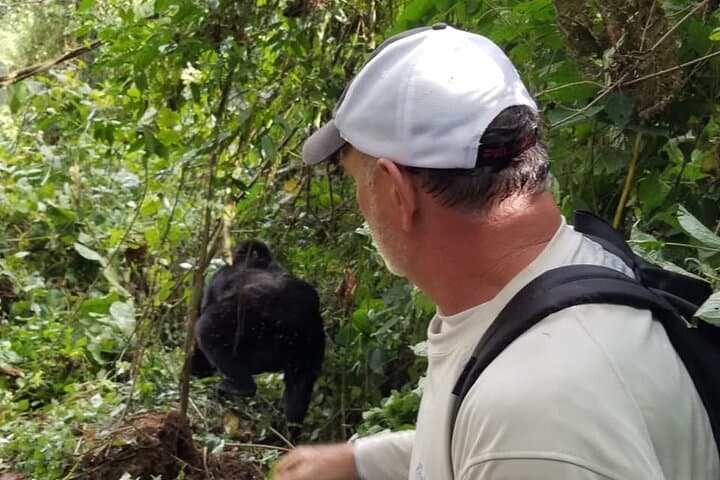
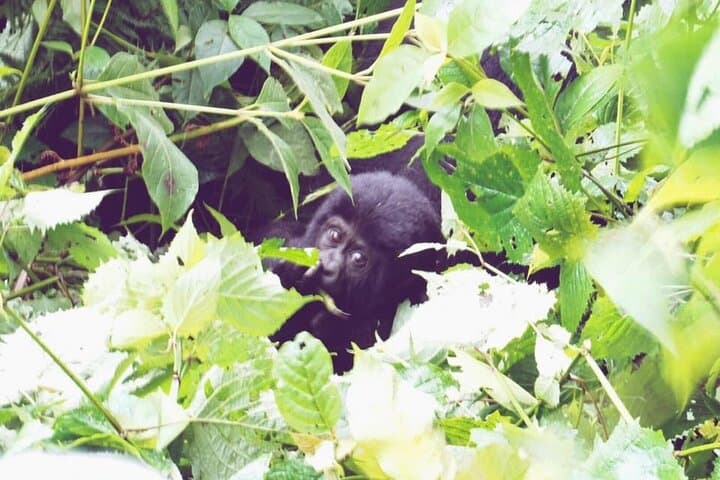
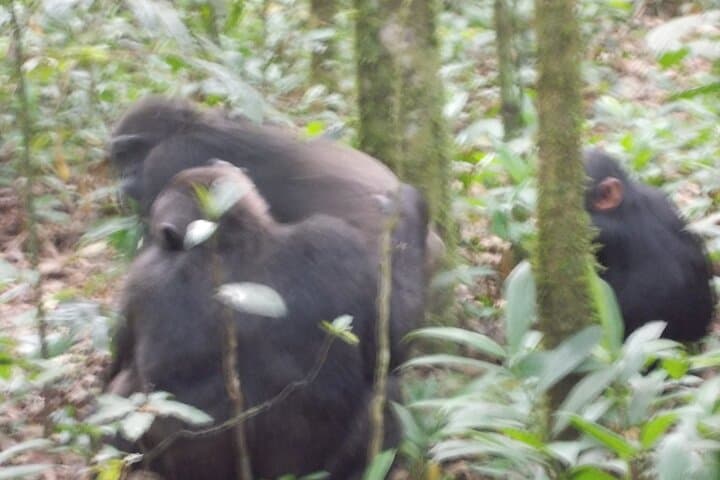
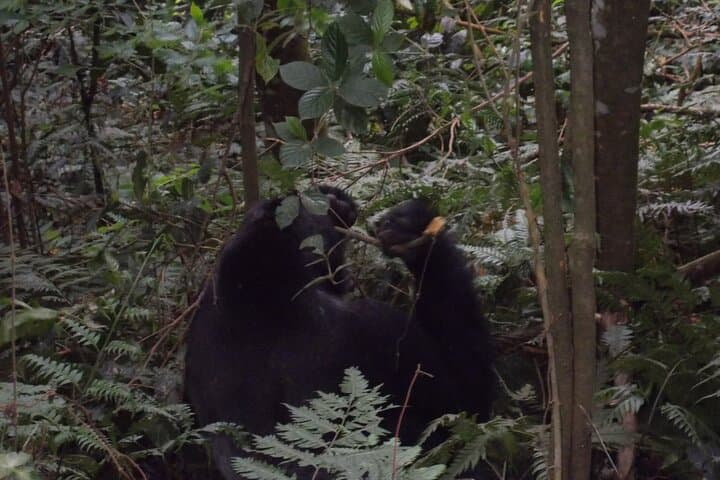
You step off the dusty road and into a cool, green pressure chamber of rainforest—ferns drip, lianas weave overhead and distant bird calls stitch the canopy. On day two the forest seems to breathe around you as trackers move with practiced quiet; the air tightens with anticipation before you meet eyes with a family of mountain gorillas.
You step off the dusty road and into a cool, green pressure chamber of rainforest—ferns drip, lianas weave overhead and distant bird calls stitch the canopy. On day two the forest seems to breathe around you as trackers move with practiced quiet; the air tightens with anticipation before you meet eyes with a family of mountain gorillas.
This four-day circuit links two of Uganda’s primate strongholds. Bwindi Impenetrable National Park, carved into steep ridges and ancient volcanic soils, shelters over half the world’s mountain gorillas and requires route-finding through dense undergrowth and narrow animal trails. Kibale Forest to the north is flatter, younger forest with extraordinary primate diversity—chimpanzees, red colobus and mangabeys—plus the Bigodi wetland where turacos and sunbirds forage.
Culturally, the trip threads through Bakiga and Batooro communities whose livelihoods now include guiding, lodge work and handicrafts; local guides provide ecological context and safety protocols during treks. Geologically, the region owes its ridged topography to rift-related volcanics and long weathering, producing steep valleys and fertile hill farms.
Practical guidance: arrive with waterproof layers and broken-in boots; gorilla treks vary from 1–8 hours and often involve steep, muddy slopes and occasional scrambling. Carry water, snacks, insect repellent and spare batteries—camera rules are strict: no flash and stay the permitted distance. Plan for early starts, reserve permits well in advance, and factor in long road transfers (Kampala–Bwindi can be 8–10 hours). Respect wildlife rules—quiet, slow movements and follow your guide’s lead—so these encounters stay possible for the next generation of travelers.