THE ADVENTURE COLLECTIVE® · Independent discovery and booking for outdoor travel

Cover Delhi, Agra and Jaipur in a compressed cultural circuit, then head into Ranthambore for two dawn safaris in search of Bengal tigers. This private, four-day loop blends iconic monuments with a focused wildlife experience and is best for travelers comfortable with early starts and long drives.
Cover Delhi, Agra and Jaipur in a compressed cultural circuit, then head into Ranthambore for two dawn safaris in search of Bengal tigers. This private, four-day loop blends iconic monuments with a focused wildlife experience and is best for travelers comfortable with early starts and long drives.
At first light the Taj Mahal appears in pearled light, the marble cooling as vans and guides arrive to clear a path for sunrise. By midday the tour shifts—Delhi’s colonnades and stepwells give way to the flat sweep of the Yamuna Expressway, the roadside dotted with small towns and neem trees, and then the scrub and rocky ridges that mark the approach to Ranthambore National Park.
Verified experiences and guided adventures in the surrounding area.
Operated by THE GOLDEN MEMORIES · New Delhi, Delhi
At first light the Taj Mahal appears in pearled light, the marble cooling as vans and guides arrive to clear a path for sunrise. By midday the tour shifts—Delhi’s colonnades and stepwells give way to the flat sweep of the Yamuna Expressway, the roadside dotted with small towns and neem trees, and then the scrub and rocky ridges that mark the approach to Ranthambore National Park.
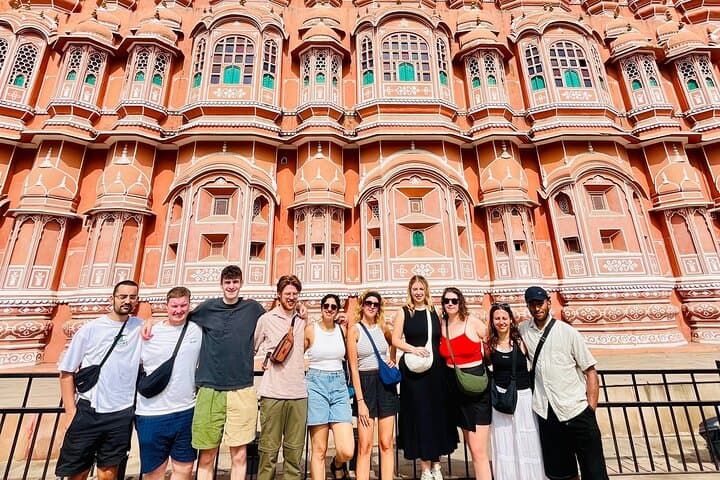
This four-day loop threads Mughal-era Agra, imperial Delhi and the Rajput palaces of Jaipur with a focused wildlife segment in Ranthambore. Geologically the route moves from the alluvial Indo-Gangetic plains into the low, ancient outcrops of the Aravalli foothills; culturally it’s a rapid study in Mughal architecture, Rajput fortifications and living Rajasthani markets.
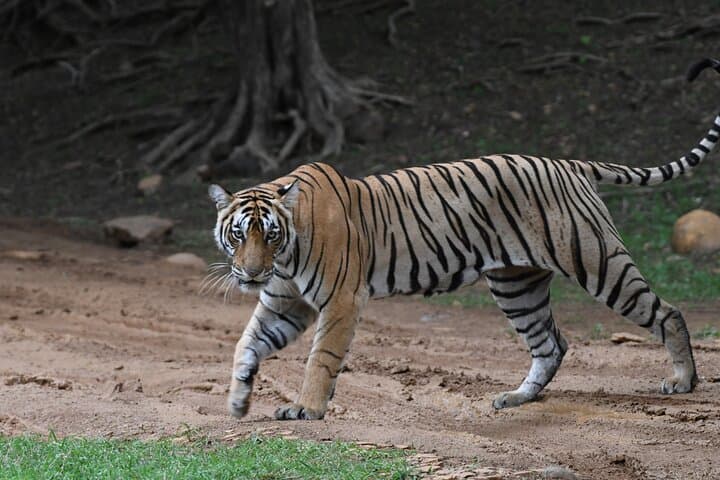
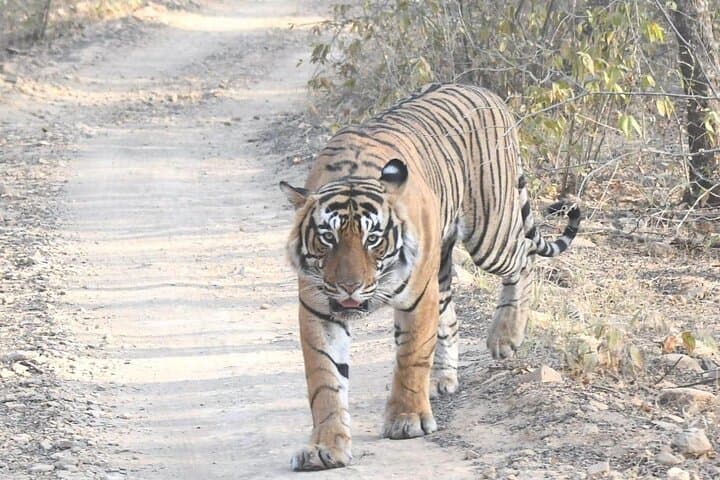
Expect structured drives—roughly three to four hours between cities—short guided walks in monuments and two timed jungle safaris at dawn when wildlife is most active. Ranthambore’s terrain alternates open grasslands and granite ridges where tigers, sloth bears and chital favor shaded gullies; sightings are possible but never guaranteed.
Practicalities: carry a printed passport copy, book sunrise Taj access in advance, and plan early mornings for safaris—park zones have strict entry windows. Dress in neutral colors, bring a modest zoom lens or binoculars, and hydrate; rural stretches have limited services. Hotels are mid- to high-tier and transfers are by air-conditioned vehicle, making this itinerary accessible to most travelers who can handle a few early wakes and multi-hour drives.
easy.
4 days.
Suitable for travelers in average fitness; involves short walks, early morning wake-ups and multiple 3–4 hour drives.
Tigers are resident but sightings depend on luck, zone, season and the day’s animal movements; guides increase chances but sightings cannot be guaranteed.
Yes—international travelers must carry a valid passport and visa; guides may request ID at certain monuments and checkpoints.
Children can join safaris but vehicle age/size rules vary by park zone; infant seats are available in tour vehicles for transfers but check with the operator for safari-age policies.
Yes—most operators will adjust monument stops or order of visits if informed after booking, though park safari timings are fixed by the park authorities.
The Golden Triangle stitches Mughal-era Agra, colonial and modern Delhi, and Jaipur’s Rajput palaces into a compact cultural route—many sites date from the 16th–18th centuries.
Ranthambore is part of India’s Project Tiger network; follow park rules, minimize flash photography and support local guides and community-run lodges to reduce tourist impact.
THE GOLDEN MEMORIES operates guided outdoor trips and adventures with an emphasis on safety, stewardship, and memorable experiences.

At first light the Taj Mahal appears in pearled light, the marble cooling as vans and guides arrive to clear a path for sunrise. By midday the tour shifts—Delhi’s colonnades and stepwells give way to the flat sweep of the Yamuna Expressway, the roadside dotted with small towns and neem trees, and then the scrub and rocky ridges that mark the approach to Ranthambore National Park.
At first light the Taj Mahal appears in pearled light, the marble cooling as vans and guides arrive to clear a path for sunrise. By midday the tour shifts—Delhi’s colonnades and stepwells give way to the flat sweep of the Yamuna Expressway, the roadside dotted with small towns and neem trees, and then the scrub and rocky ridges that mark the approach to Ranthambore National Park.
This four-day loop threads Mughal-era Agra, imperial Delhi and the Rajput palaces of Jaipur with a focused wildlife segment in Ranthambore. Geologically the route moves from the alluvial Indo-Gangetic plains into the low, ancient outcrops of the Aravalli foothills; culturally it’s a rapid study in Mughal architecture, Rajput fortifications and living Rajasthani markets.
Expect structured drives—roughly three to four hours between cities—short guided walks in monuments and two timed jungle safaris at dawn when wildlife is most active. Ranthambore’s terrain alternates open grasslands and granite ridges where tigers, sloth bears and chital favor shaded gullies; sightings are possible but never guaranteed.
Practicalities: carry a printed passport copy, book sunrise Taj access in advance, and plan early mornings for safaris—park zones have strict entry windows. Dress in neutral colors, bring a modest zoom lens or binoculars, and hydrate; rural stretches have limited services. Hotels are mid- to high-tier and transfers are by air-conditioned vehicle, making this itinerary accessible to most travelers who can handle a few early wakes and multi-hour drives.