THE ADVENTURE COLLECTIVE® · Independent discovery and booking for outdoor travel

This four‑day Golden Triangle itinerary pairs Jaipur’s palaces with a dawn tiger safari in Ranthambore, a sunrise visit to the Taj Mahal, and a city tour of Delhi. Practical logistics and early starts make it an efficient way to sample northern India’s culture and wildlife in one trip.
This four‑day Golden Triangle itinerary pairs Jaipur’s palaces with a dawn tiger safari in Ranthambore, a sunrise visit to the Taj Mahal, and a city tour of Delhi. Practical logistics and early starts make it an efficient way to sample northern India’s culture and wildlife in one trip.
Morning light slices through Jaipur’s pink façades as a private car eases out of the city toward the scrubby Aravalli spurs—this four‑day route stitches imperial forts, marble mausoleums and a tiger’s territory into one compact loop. Day one moves through Jaipur’s City Palace, Jantar Mantar and Amber Fort, where sandstone courtyards and carved balconies speak of Rajput craft and courtly ceremony.
Verified experiences and guided adventures in the surrounding area.
Operated by vwitours · Jaipur, Rajasthan
Morning light slices through Jaipur’s pink façades as a private car eases out of the city toward the scrubby Aravalli spurs—this four‑day route stitches imperial forts, marble mausoleums and a tiger’s territory into one compact loop. Day one moves through Jaipur’s City Palace, Jantar Mantar and Amber Fort, where sandstone courtyards and carved balconies speak of Rajput craft and courtly ceremony.
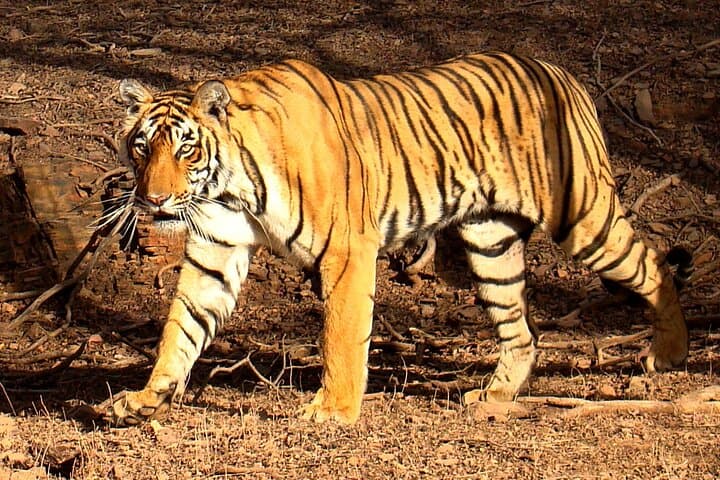
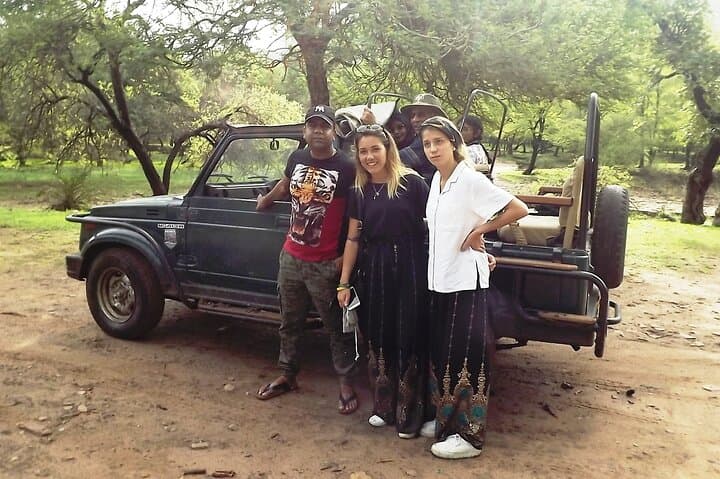
Geology here is visible in the pale Aravalli ridges that hem the approach to Ranthambore, a former royal hunting ground now thick with dry‑deciduous forest and rocky outcrops surrounding a 10th‑century fort. The next morning’s safari follows dusty tracks and seasonal ponds as naturalists scan for the Royal Bengal Tiger, sambar, and langur—the park’s rhythms set by monsoon pulses and the slow rise of the sun.
Agra brings Mughal artistry: the Taj Mahal’s white marble veneers, inlay work and charbagh gardens reflect 17th‑century engineering and imperial grief, while Agra Fort frames changing power and patronage. Delhi closes the loop with layered histories from the Qutub Minar to Humayun’s Tomb, a compact survey of India’s medieval and colonial eras.
Practical guidance: travel with a comfortable daypack, plan safari rides at first light for best sightings, and carry rehydration salts for long drives between cities. Respect local customs at religious sites—remove shoes and keep modest dress—and follow park rules: remain inside the vehicle, keep noise low, and let guides position the car for sightings. This itinerary suits travelers who want concentrated cultural immersion with a wildlife highlight—expect varied terrain, early mornings, and logistics handled by a private driver and guide.
moderate.
4 days.
Light to moderate fitness—able to handle several hours of walking, stairs at monuments, and early mornings for safaris.
No—wildlife sightings cannot be guaranteed; morning safaris with experienced naturalists improve your chances but tigers move freely across the park.
Expect several multi‑hour drives: Jaipur to Ranthambore (~3.5 hours), Ranthambore to Agra (~4 hours), and Agra to Delhi (~3.5 hours).
This tour description lists Ranthambore safari tickets as included; confirm with the operator about any variable park gate or camera fees before travel.
Modest clothing covering shoulders and knees is appropriate; remove shoes where required and follow any posted rules at each temple or mosque.
The route traces Mughal and Rajput power centers: Jaipur’s 18th‑century palaces, Ranthambore’s 10th‑century fort, and Agra’s Mughal monuments narrate shifting imperial priorities.
Ranthambore is part of Project Tiger conservation efforts; visitors should minimize noise, avoid litter, and support community-based tourism to reduce pressure on local habitats.
vwitours operates guided outdoor trips and adventures with an emphasis on safety, stewardship, and memorable experiences.
Morning light slices through Jaipur’s pink façades as a private car eases out of the city toward the scrubby Aravalli spurs—this four‑day route stitches imperial forts, marble mausoleums and a tiger’s territory into one compact loop. Day one moves through Jaipur’s City Palace, Jantar Mantar and Amber Fort, where sandstone courtyards and carved balconies speak of Rajput craft and courtly ceremony.
Morning light slices through Jaipur’s pink façades as a private car eases out of the city toward the scrubby Aravalli spurs—this four‑day route stitches imperial forts, marble mausoleums and a tiger’s territory into one compact loop. Day one moves through Jaipur’s City Palace, Jantar Mantar and Amber Fort, where sandstone courtyards and carved balconies speak of Rajput craft and courtly ceremony.
Geology here is visible in the pale Aravalli ridges that hem the approach to Ranthambore, a former royal hunting ground now thick with dry‑deciduous forest and rocky outcrops surrounding a 10th‑century fort. The next morning’s safari follows dusty tracks and seasonal ponds as naturalists scan for the Royal Bengal Tiger, sambar, and langur—the park’s rhythms set by monsoon pulses and the slow rise of the sun.
Agra brings Mughal artistry: the Taj Mahal’s white marble veneers, inlay work and charbagh gardens reflect 17th‑century engineering and imperial grief, while Agra Fort frames changing power and patronage. Delhi closes the loop with layered histories from the Qutub Minar to Humayun’s Tomb, a compact survey of India’s medieval and colonial eras.
Practical guidance: travel with a comfortable daypack, plan safari rides at first light for best sightings, and carry rehydration salts for long drives between cities. Respect local customs at religious sites—remove shoes and keep modest dress—and follow park rules: remain inside the vehicle, keep noise low, and let guides position the car for sightings. This itinerary suits travelers who want concentrated cultural immersion with a wildlife highlight—expect varied terrain, early mornings, and logistics handled by a private driver and guide.