THE ADVENTURE COLLECTIVE® · Independent discovery and booking for outdoor travel

Four days of packed history and wildlife: sunrise at the Taj, Mughal forts, a Ranthambore jeep safari for Bengal tigers, and Jaipur’s hilltop palaces. Practical routing and early-morning game drives make this a compact, accessible North India loop.
Four days of packed history and wildlife: sunrise at the Taj, Mughal forts, a Ranthambore jeep safari for Bengal tigers, and Jaipur’s hilltop palaces. Practical routing and early-morning game drives make this a compact, accessible North India loop.
The day begins before dawn on the Yamuna’s banks, when the Taj Mahal glows like a promise made visible — white marble taking color as the sun lifts over Agra. From that hush you’re driven through a landscape of broad plains, colonial avenues and crenellated forts, each day threaded with long highway miles and sudden, wild interruptions: the scrubby hills and granite outcrops of Ranthambore where jeeps push into a reserve alive with movement.
Verified experiences and guided adventures in the surrounding area.
Operated by Agra Taj Tour · New Delhi, Delhi
The day begins before dawn on the Yamuna’s banks, when the Taj Mahal glows like a promise made visible — white marble taking color as the sun lifts over Agra. From that hush you’re driven through a landscape of broad plains, colonial avenues and crenellated forts, each day threaded with long highway miles and sudden, wild interruptions: the scrubby hills and granite outcrops of Ranthambore where jeeps push into a reserve alive with movement.
This four-day loop stitches Mughal history and Rajput architecture with modern India’s road network. Delhi’s Mughal-era tombs and British-era boulevards set a civic stage; Agra’s 17th-century monuments tell stories of empire and devotion; Jaipur’s hilltop Amber and precise Jantar Mantar reveal royal engineering and astronomical curiosity. Geologically, you spend most time on the flat Indo-Gangetic plain until Ranthambore’s Vindhya foothills introduce rocky ridges, seasonal lakes and thorn scrub that sustain tiger prey.
Expect long drives (Delhi–Agra ~230 km; Agra–Ranthambore ~240 km; Ranthambore–Jaipur ~150 km), early-morning safaris for the best sightings, and short hikes on fort ruins with uneven stone steps. Practicalities matter: carry a printed passport copy for permits, book morning safari slots ahead, pack layered clothing for chilly pre-dawn drives, and bring a good telephoto lens and binoculars.
On the ground you’ll move by private air-conditioned car between cities and shared jeep or canter inside the park. Respect park rules, keep noise low, and be prepared for basic facilities at reserve gate areas — the reward is close views of wildlife and a compact taste of North India’s living history.
moderate.
4 days.
Light to moderate fitness — suitable for travelers comfortable with several hours in a vehicle, short uneven walks and early starts
October to March offers cooler temperatures and better wildlife visibility in Ranthambore; winter mornings can be chilly, while monsoon months (July–Sept) may close some park areas.
No — sightings depend on animal movements; morning safaris give the highest odds but encounters cannot be promised.
Expect multi-hour drives: Delhi–Agra ~3–4 hours, Agra–Ranthambore ~4–5 hours, Ranthambore–Jaipur ~3–4 hours, depending on traffic and road conditions.
International travelers need a valid Indian visa and routine vaccinations; consult a travel clinic for up-to-date health advice and any recommended immunizations.
The route traces Mughal and Rajput power—Taj Mahal and Agra Fort are Mughal-era landmarks, while Jaipur’s palaces reflect 18th-century Rajput court culture.
Ranthambore is a protected tiger reserve with ongoing monitoring and anti-poaching efforts; visitors should follow park rules to reduce disturbance and support conservation fees.
Agra Taj Tour operates guided outdoor trips and adventures with an emphasis on safety, stewardship, and memorable experiences.
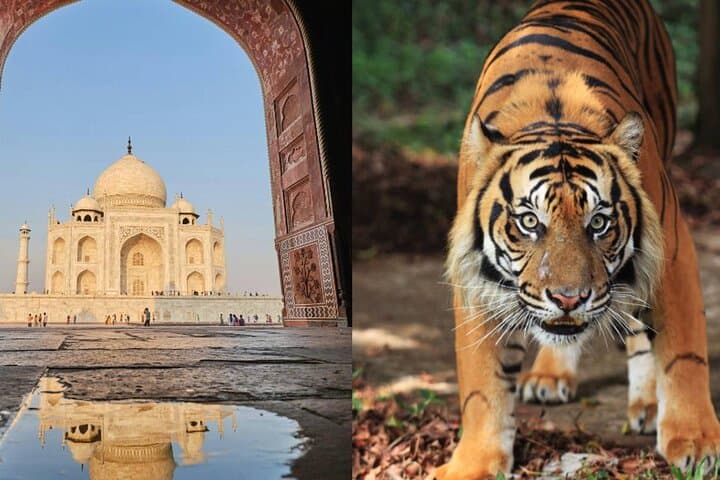
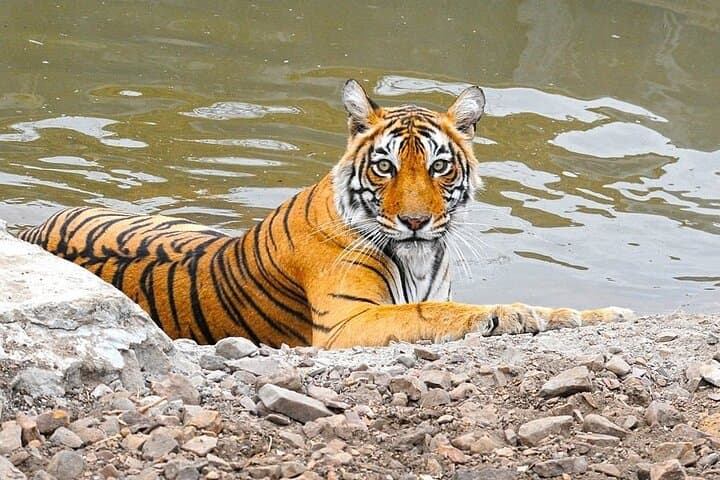
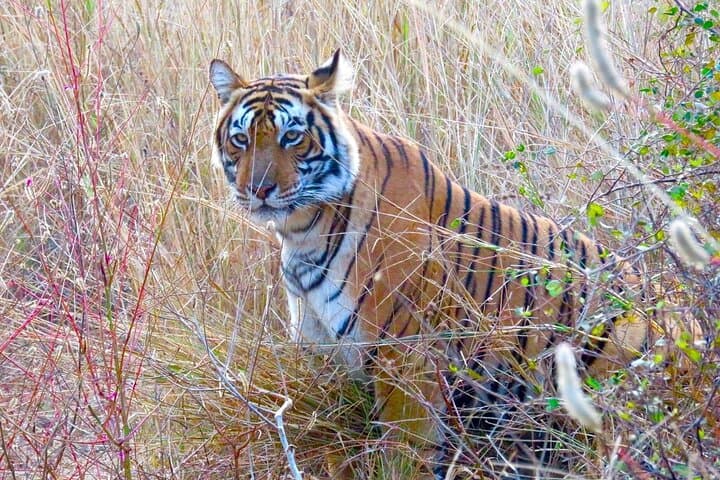
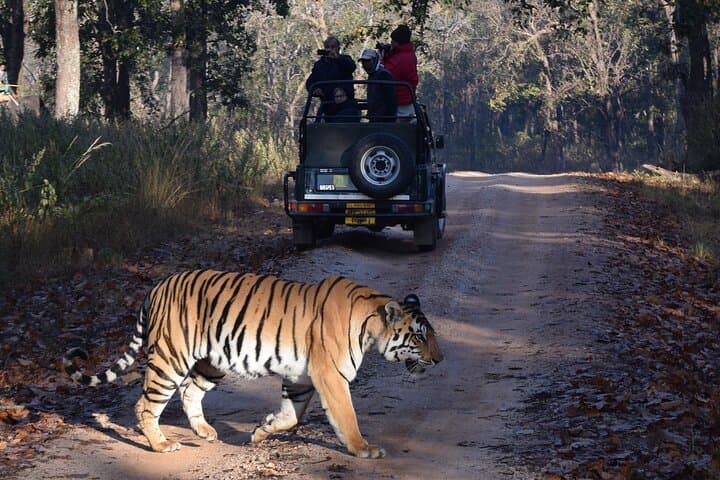
The day begins before dawn on the Yamuna’s banks, when the Taj Mahal glows like a promise made visible — white marble taking color as the sun lifts over Agra. From that hush you’re driven through a landscape of broad plains, colonial avenues and crenellated forts, each day threaded with long highway miles and sudden, wild interruptions: the scrubby hills and granite outcrops of Ranthambore where jeeps push into a reserve alive with movement.
The day begins before dawn on the Yamuna’s banks, when the Taj Mahal glows like a promise made visible — white marble taking color as the sun lifts over Agra. From that hush you’re driven through a landscape of broad plains, colonial avenues and crenellated forts, each day threaded with long highway miles and sudden, wild interruptions: the scrubby hills and granite outcrops of Ranthambore where jeeps push into a reserve alive with movement.
This four-day loop stitches Mughal history and Rajput architecture with modern India’s road network. Delhi’s Mughal-era tombs and British-era boulevards set a civic stage; Agra’s 17th-century monuments tell stories of empire and devotion; Jaipur’s hilltop Amber and precise Jantar Mantar reveal royal engineering and astronomical curiosity. Geologically, you spend most time on the flat Indo-Gangetic plain until Ranthambore’s Vindhya foothills introduce rocky ridges, seasonal lakes and thorn scrub that sustain tiger prey.
Expect long drives (Delhi–Agra ~230 km; Agra–Ranthambore ~240 km; Ranthambore–Jaipur ~150 km), early-morning safaris for the best sightings, and short hikes on fort ruins with uneven stone steps. Practicalities matter: carry a printed passport copy for permits, book morning safari slots ahead, pack layered clothing for chilly pre-dawn drives, and bring a good telephoto lens and binoculars.
On the ground you’ll move by private air-conditioned car between cities and shared jeep or canter inside the park. Respect park rules, keep noise low, and be prepared for basic facilities at reserve gate areas — the reward is close views of wildlife and a compact taste of North India’s living history.