THE ADVENTURE COLLECTIVE® · Independent discovery and booking for outdoor travel

Move from sunrise at the Taj Mahal to a jungle jeep searching for Bengal tigers—this compact 4-day route blends Mughal monuments with a Ranthambore safari. Expect early mornings, long drives, and frontline wildlife viewing guided by an English-speaking naturalist.
Move from sunrise at the Taj Mahal to a jungle jeep searching for Bengal tigers—this compact 4-day route blends Mughal monuments with a Ranthambore safari. Expect early mornings, long drives, and frontline wildlife viewing guided by an English-speaking naturalist.
Morning light cuts across Delhi’s avenues as your private vehicle eases away from the city—mughal domes and bustling bazaars already shrinking in the rearview. Over four days you move from the hush of the Taj Mahal at sunrise to the pink stone facades of Jaipur, then into the scrub and granite of Ranthambore where the forest waits with slow patience and sudden motion.
Verified experiences and guided adventures in the surrounding area.
Operated by Keeper Landwey · New Delhi, Delhi
Morning light cuts across Delhi’s avenues as your private vehicle eases away from the city—mughal domes and bustling bazaars already shrinking in the rearview. Over four days you move from the hush of the Taj Mahal at sunrise to the pink stone facades of Jaipur, then into the scrub and granite of Ranthambore where the forest waits with slow patience and sudden motion.
The route stitches together three eras: Mughal marble in Agra, Rajput palaces in Jaipur, and the layered geology of the Aravalli ranges that frame Ranthambore. Ranthambore itself is a landscape of granite outcrops, thorn scrub, and seasonal tanks; it gained protection under Project Tiger in 1973 and remains one of India’s most significant tiger reserves. Cultural threads run deep too—Sikh langar kitchens in Delhi, Mughal courtcraft in Agra, and Rajasthani crafts and markets in Jaipur.
Practically, expect long drives (Delhi–Agra–Ranthambore–Jaipur–Delhi), early wake-ups for the Taj and safari, and shared-canters or open jeeps inside the park with an English-speaking naturalist. Weather dictates rhythm: winter mornings are crisp and ideal for tiger sightings; monsoon brings closures and limited zones. Carry a telephoto or binoculars, layered clothing for early starts, and valid photo ID for monument entries. Respect park rules: stay with your guide, keep noise to a minimum, and never feed or approach wildlife.
This itinerary balances iconic monuments with wildlife time—a compact, logistics-handled introduction to northern India’s history and wild country, best approached prepared and alert to moments that arrive quietly and demand patience.
moderate.
4 days.
Comfortable sitting for long drives, able to manage short walks (30–60 minutes) and early-morning starts
No—tiger sightings aren’t guaranteed; sightings depend on luck, season, time of day, and animal movement, though early morning drives increase chances.
Yes—this private tour includes transfers in an air-conditioned vehicle and three nights’ accommodation when the hotel option is selected; confirm your category at booking.
Ranthambore reduces zones and closes some days during monsoon; the park closes Tuesdays from July 1–Sept 30 and only zones 6–10 operate in certain monsoon periods—your itinerary will be adjusted accordingly.
Carry valid photo ID for each traveler (passport for foreign nationals, government ID for Indian citizens) as monuments and park entries require ID checks.
The itinerary threads Mughal-era Agra monuments and 18th-century Rajput palaces with Ranthambore’s later designation under Project Tiger (1973) and national park status (1980).
Ranthambore operates under strict park regulations and Project Tiger guidelines; follow your guide’s rules, minimize disturbance, and use local services to support community-based tourism.
Keeper Landwey operates guided outdoor trips and adventures with an emphasis on safety, stewardship, and memorable experiences.


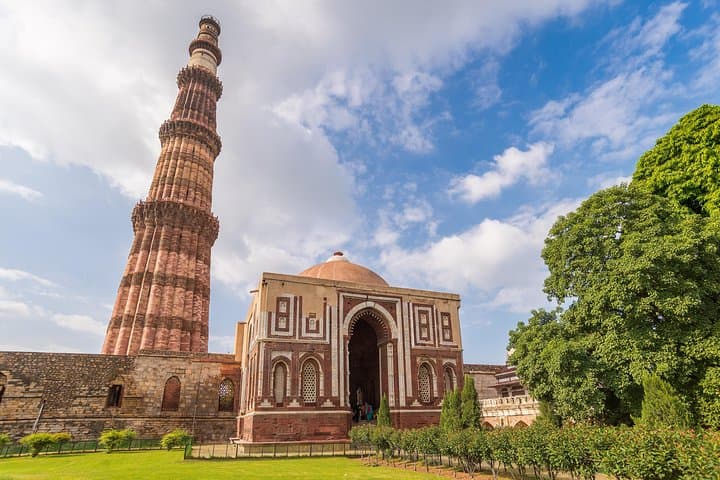
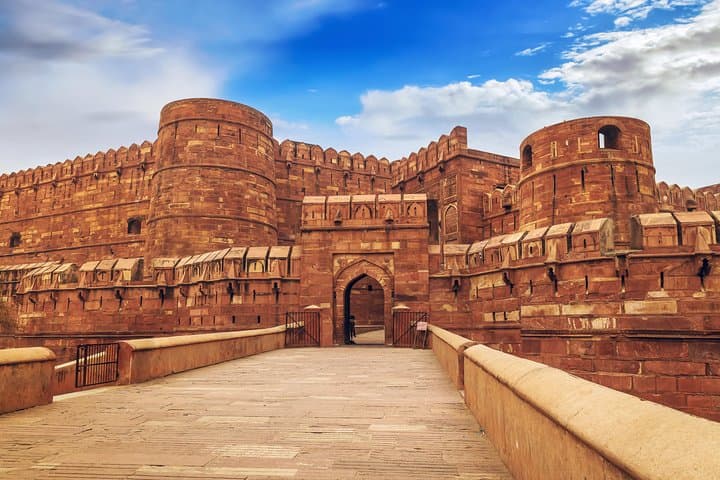
Morning light cuts across Delhi’s avenues as your private vehicle eases away from the city—mughal domes and bustling bazaars already shrinking in the rearview. Over four days you move from the hush of the Taj Mahal at sunrise to the pink stone facades of Jaipur, then into the scrub and granite of Ranthambore where the forest waits with slow patience and sudden motion.
Morning light cuts across Delhi’s avenues as your private vehicle eases away from the city—mughal domes and bustling bazaars already shrinking in the rearview. Over four days you move from the hush of the Taj Mahal at sunrise to the pink stone facades of Jaipur, then into the scrub and granite of Ranthambore where the forest waits with slow patience and sudden motion.
The route stitches together three eras: Mughal marble in Agra, Rajput palaces in Jaipur, and the layered geology of the Aravalli ranges that frame Ranthambore. Ranthambore itself is a landscape of granite outcrops, thorn scrub, and seasonal tanks; it gained protection under Project Tiger in 1973 and remains one of India’s most significant tiger reserves. Cultural threads run deep too—Sikh langar kitchens in Delhi, Mughal courtcraft in Agra, and Rajasthani crafts and markets in Jaipur.
Practically, expect long drives (Delhi–Agra–Ranthambore–Jaipur–Delhi), early wake-ups for the Taj and safari, and shared-canters or open jeeps inside the park with an English-speaking naturalist. Weather dictates rhythm: winter mornings are crisp and ideal for tiger sightings; monsoon brings closures and limited zones. Carry a telephoto or binoculars, layered clothing for early starts, and valid photo ID for monument entries. Respect park rules: stay with your guide, keep noise to a minimum, and never feed or approach wildlife.
This itinerary balances iconic monuments with wildlife time—a compact, logistics-handled introduction to northern India’s history and wild country, best approached prepared and alert to moments that arrive quietly and demand patience.