THE ADVENTURE COLLECTIVE® · Independent discovery and booking for outdoor travel

Four days of guided exploration across Giza, Cairo and Alexandria — from the plateau of the Great Pyramid to the Alexandria National Museum — this itinerary blends iconic archaeology with museum-rich urban history. Practical guidance for heat, tickets and timing included.
Four days of guided exploration across Giza, Cairo and Alexandria — from the plateau of the Great Pyramid to the Alexandria National Museum — this itinerary blends iconic archaeology with museum-rich urban history. Practical guidance for heat, tickets and timing included.
The wind off the desert nudges grit across the Giza Plateau as your guide gestures toward the angled shadow of Khufu — an enormous, silent geometry that has shaped the city for millennia.
Verified experiences and guided adventures in the surrounding area.
Operated by Let`s Explore Egypt · Cairo, Cairo Governorate
The wind off the desert nudges grit across the Giza Plateau as your guide gestures toward the angled shadow of Khufu — an enormous, silent geometry that has shaped the city for millennia.
Across four days you move between layered histories: the limestone blocks of the Great Pyramid and the compact terraces of Saqqara’s Step Pyramid; the tombs and open-air statuary of Memphis; and Alexandria’s seaside sprawl where Hellenistic foundations meet Ottoman and modern Egyptian layers. Geologically the plateau sits on Eocene limestone; step-like erosion and human quarrying have left the rockwork exposed, and the Nile’s seasonal floodplain created the farmland that supported ancient capitals.
Culture here is public and tactile — bargaining for a bottle of water outside a site, steadying a camera for a sudden local procession, listening to an Egyptologist unpack funerary inscriptions. Practicalities arrive fast: expect long days with air-conditioned transfers, intermittent shade, and many uneven steps; some attractions (the Solar Boat, certain interior tombs) may require extra tickets on site. Early mornings and late afternoons have the best light and lowest heat for exploring the pyramids; Cairo’s museums concentrate artifacts that tell the city’s political and artistic story, while Alexandria presents coastal ruins and a compact museum collection tracing the city to 332 BCE.
Bring breathable layers, steady footwear for limestone surfaces, and a reusable water bottle to refill between museum stops. Respect site rules (no climbing), budget for small on-site fees and tips, and plan airport transfers into the first and last days — the trip is logistical as much as archaeological, and a good guide turns dense history into a moving, manageable route.
moderate.
4 days.
Light to moderate: able to walk several hours per day, navigate uneven steps and short climbs; not technically strenuous.
The tour includes entrance fees to the listed sites; some optional extras (for example the Solar Boat or specific interior tomb accesses) may require an on-site supplement.
Yes — the itinerary includes private air-conditioned transfers for arrival and departure; confirm flight details at booking so pickup is scheduled.
Yes; the trip is paced for general fitness levels, but families and older travelers should note uneven terrain and longer walking periods at archaeological sites.
Access to pyramid interiors varies and can be physically narrow and steep; interior visits may have separate tickets and are subject to site regulations—climbing on external structures is prohibited.
The Great Pyramid dates to the Fourth Dynasty (c. 2560 BCE); Alexandria was founded in 332 BCE and later became a major Hellenistic port; the Royal Jewelry Museum contains Alawite-era pieces tied to the Muhammad Ali dynasty (from 1805 onward).
Visitor pressure and erosion are ongoing concerns—stay on marked paths, don’t touch fragile masonry, and support museums and licensed guides who invest in preservation.
Let`s Explore Egypt operates guided outdoor trips and adventures with an emphasis on safety, stewardship, and memorable experiences.
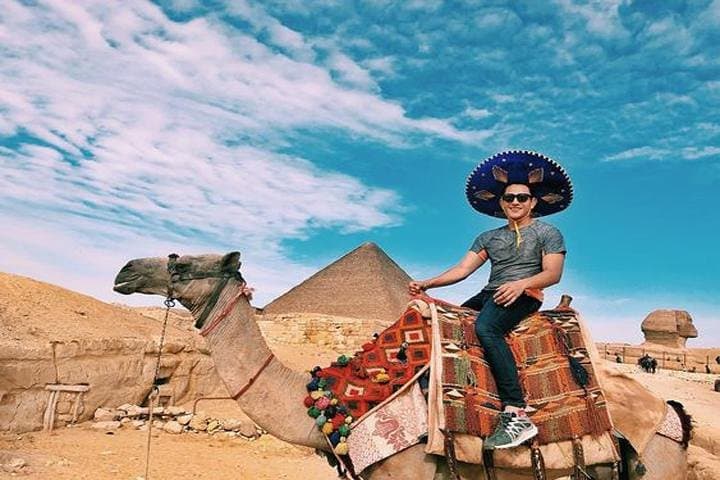
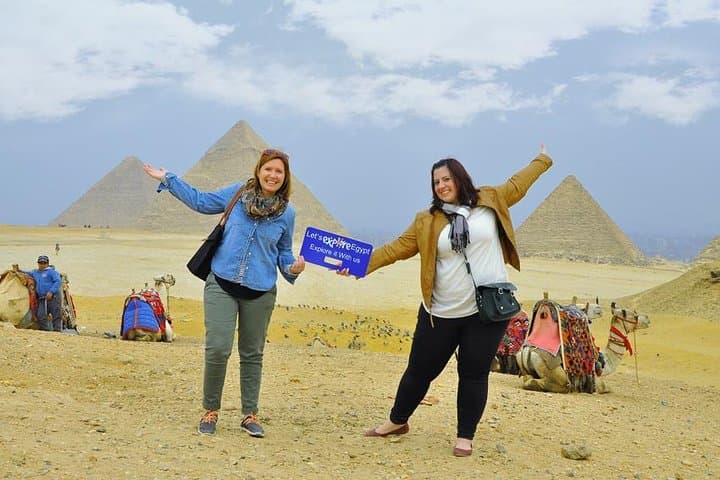
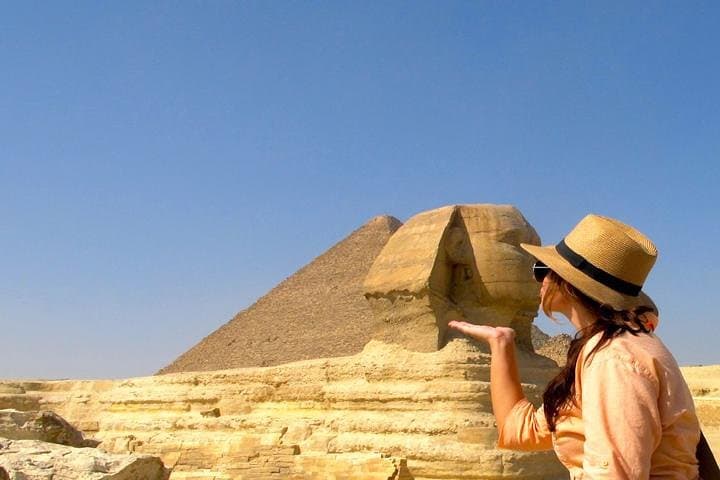
The wind off the desert nudges grit across the Giza Plateau as your guide gestures toward the angled shadow of Khufu — an enormous, silent geometry that has shaped the city for millennia.
The wind off the desert nudges grit across the Giza Plateau as your guide gestures toward the angled shadow of Khufu — an enormous, silent geometry that has shaped the city for millennia.
Across four days you move between layered histories: the limestone blocks of the Great Pyramid and the compact terraces of Saqqara’s Step Pyramid; the tombs and open-air statuary of Memphis; and Alexandria’s seaside sprawl where Hellenistic foundations meet Ottoman and modern Egyptian layers. Geologically the plateau sits on Eocene limestone; step-like erosion and human quarrying have left the rockwork exposed, and the Nile’s seasonal floodplain created the farmland that supported ancient capitals.
Culture here is public and tactile — bargaining for a bottle of water outside a site, steadying a camera for a sudden local procession, listening to an Egyptologist unpack funerary inscriptions. Practicalities arrive fast: expect long days with air-conditioned transfers, intermittent shade, and many uneven steps; some attractions (the Solar Boat, certain interior tombs) may require extra tickets on site. Early mornings and late afternoons have the best light and lowest heat for exploring the pyramids; Cairo’s museums concentrate artifacts that tell the city’s political and artistic story, while Alexandria presents coastal ruins and a compact museum collection tracing the city to 332 BCE.
Bring breathable layers, steady footwear for limestone surfaces, and a reusable water bottle to refill between museum stops. Respect site rules (no climbing), budget for small on-site fees and tips, and plan airport transfers into the first and last days — the trip is logistical as much as archaeological, and a good guide turns dense history into a moving, manageable route.