THE ADVENTURE COLLECTIVE® · Independent discovery and booking for outdoor travel

Four active days on Santa Cruz Island combine short hikes, snorkeling and wildlife viewing — from Tortuga Bay’s white sand to highland tortoise reserves and collapsed volcanic craters. Confirm transfers, bring reef-safe sunscreen and be ready for brisk boat rides.
Four active days on Santa Cruz Island combine short hikes, snorkeling and wildlife viewing — from Tortuga Bay’s white sand to highland tortoise reserves and collapsed volcanic craters. Confirm transfers, bring reef-safe sunscreen and be ready for brisk boat rides.
You step off the ferry at the Itabaca Canal, salt on your lips and the heat of the lowlands pressing around a small port town. In less than an hour the landscape shifts: black lava tubes cut into the highlands, a scuffed path leads past giant tortoise grazing paddocks, and mangrove roots guard a white-sand inlet where sea lions glance up from the surf.
Verified experiences and guided adventures in the surrounding area.
Operated by LIV Ecuador · Puerto Ayora, Galápagos
You step off the ferry at the Itabaca Canal, salt on your lips and the heat of the lowlands pressing around a small port town. In less than an hour the landscape shifts: black lava tubes cut into the highlands, a scuffed path leads past giant tortoise grazing paddocks, and mangrove roots guard a white-sand inlet where sea lions glance up from the surf.
This four-day loop around Santa Cruz Island mixes gentle coastal hikes and short boat outings with quick visits to classic Galápagos touchstones: Charles Darwin Research Station, the El Chato tortoise reserve and the collapsed craters known as Los Gemelos. Geologically the islands are young — basalt flows and collapsed lava tubes shape the highland basins — and biologically they’re a live study in adaptive evolution: marine iguanas, blue-footed boobies and giant tortoises are everyday encounters.
Culturally, Puerto Ayora is a small fishing hub whose hotels and guides have learned to balance visitors and conservation; expect straightforward services rather than luxury frills. Practicalities: walks are mostly flat to rolling (Tortuga Bay is about a 40-minute beach approach), boat transfers are short but can be breezy, and a basic level of fitness makes the days more enjoyable.
Bring reef-safe sunscreen, a good pair of walking shoes, and a lightweight rain layer for garúa drizzle. Confirm pickup times at least 48 hours in advance and carry local cash for park entrance fees and small purchases. With sensible gear and timing, this is an efficient, adventure-forward way to sample the islands’ best natural encounters in four active days.
moderate.
4 days.
Suitable for travelers with moderate fitness; expect several short walks up to 40 minutes, light scrambling on volcanic rock, and boat transfers.
Yes—there is a Galápagos National Park entrance fee payable on arrival to the islands; carry small USD bills as not all points accept cards.
The itinerary includes a yacht/snorkel outing to La Lobería; basic gear may be available to rent but bringing your own mask speeds boarding and improves fit.
Tortuga Bay involves a roughly 40‑minute flat to gently rolling walk; Los Gemelos has short trails with uneven volcanic soil—both require moderate fitness and good footwear.
Infants are required to sit on an adult’s lap; the operator notes the trip is not recommended for children under six and bookings need passport details for all participants.
The Galápagos' unique fauna and volcanic geology influenced Charles Darwin’s work on evolution; many visitor sites connect to early natural history studies and ongoing research.
The Galápagos National Park enforces strict visitor rules; use reef‑safe products, stay on marked paths and avoid introducing foreign plants or foods to protect fragile ecosystems.
LIV Ecuador operates guided outdoor trips and adventures with an emphasis on safety, stewardship, and memorable experiences.
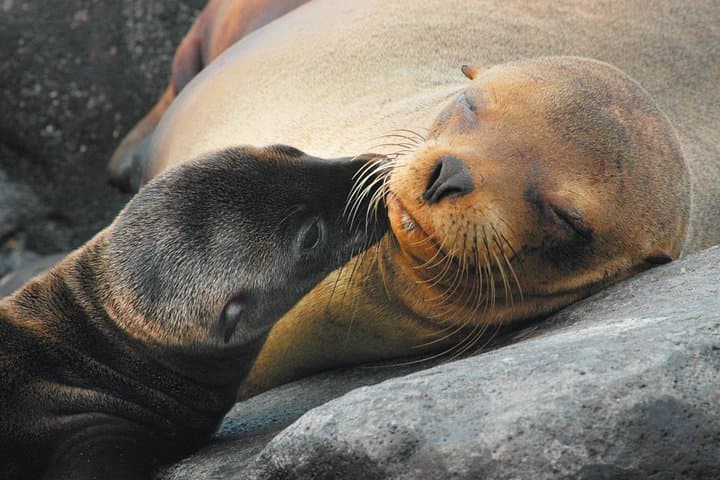
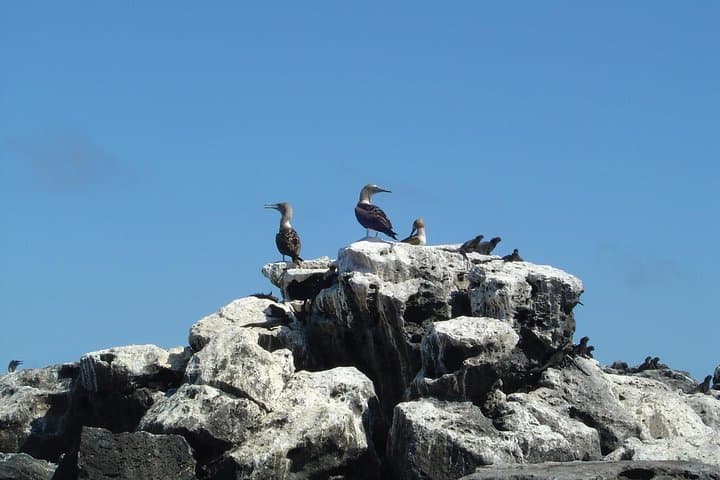
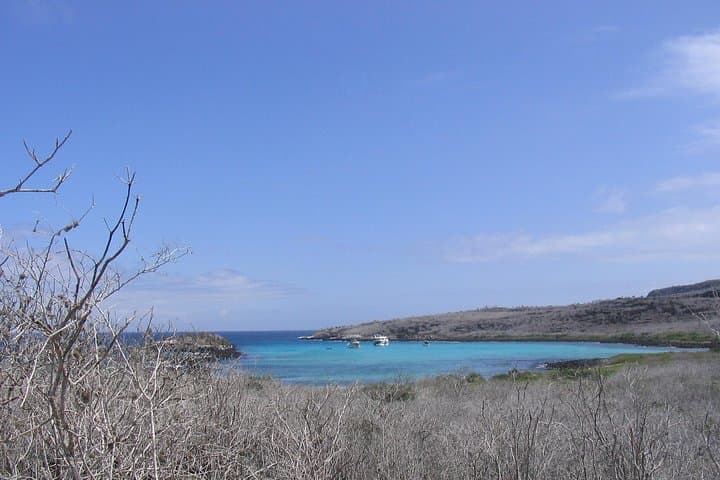
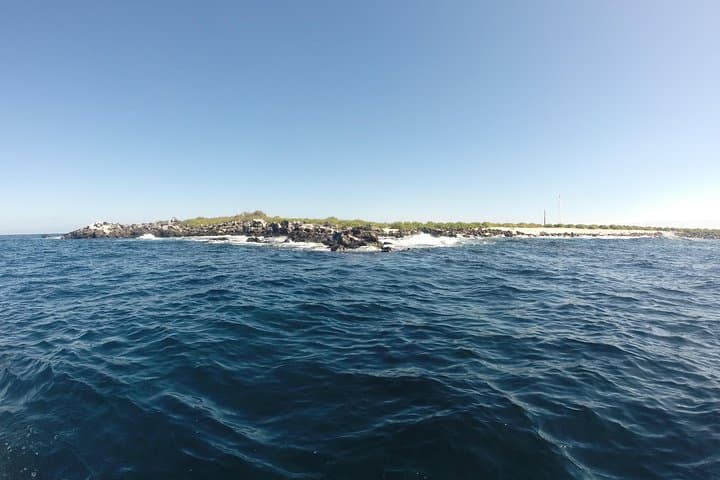
You step off the ferry at the Itabaca Canal, salt on your lips and the heat of the lowlands pressing around a small port town. In less than an hour the landscape shifts: black lava tubes cut into the highlands, a scuffed path leads past giant tortoise grazing paddocks, and mangrove roots guard a white-sand inlet where sea lions glance up from the surf.
You step off the ferry at the Itabaca Canal, salt on your lips and the heat of the lowlands pressing around a small port town. In less than an hour the landscape shifts: black lava tubes cut into the highlands, a scuffed path leads past giant tortoise grazing paddocks, and mangrove roots guard a white-sand inlet where sea lions glance up from the surf.
This four-day loop around Santa Cruz Island mixes gentle coastal hikes and short boat outings with quick visits to classic Galápagos touchstones: Charles Darwin Research Station, the El Chato tortoise reserve and the collapsed craters known as Los Gemelos. Geologically the islands are young — basalt flows and collapsed lava tubes shape the highland basins — and biologically they’re a live study in adaptive evolution: marine iguanas, blue-footed boobies and giant tortoises are everyday encounters.
Culturally, Puerto Ayora is a small fishing hub whose hotels and guides have learned to balance visitors and conservation; expect straightforward services rather than luxury frills. Practicalities: walks are mostly flat to rolling (Tortuga Bay is about a 40-minute beach approach), boat transfers are short but can be breezy, and a basic level of fitness makes the days more enjoyable.
Bring reef-safe sunscreen, a good pair of walking shoes, and a lightweight rain layer for garúa drizzle. Confirm pickup times at least 48 hours in advance and carry local cash for park entrance fees and small purchases. With sensible gear and timing, this is an efficient, adventure-forward way to sample the islands’ best natural encounters in four active days.