THE ADVENTURE COLLECTIVE® · Independent discovery and booking for outdoor travel

Fly into Uganda’s remote Kidepo Valley for four days of classic savannah game drives and cultural encounters with the Karamojong and Ik people. This compact itinerary pairs sunrise wildlife viewing in Narus Valley with village visits and hot springs explorations.
Fly into Uganda’s remote Kidepo Valley for four days of classic savannah game drives and cultural encounters with the Karamojong and Ik people. This compact itinerary pairs sunrise wildlife viewing in Narus Valley with village visits and hot springs explorations.
A small charter lands on the red strip of Kidepo Valley Airfield and the plane’s door opens onto wind that pushes across grassy plains — the park itself seems to inhale and hold its breath. On arrival, Apoka Safari Lodge sits low against rugged escarpments; guides load binoculars and cameras into the jeep and the afternoon game drive slips like a slow film across gold grass and koppies.
Verified experiences and guided adventures in the surrounding area.
Operated by Verdoro Safaris Uganda · Kaabong, Karamoja
A small charter lands on the red strip of Kidepo Valley Airfield and the plane’s door opens onto wind that pushes across grassy plains — the park itself seems to inhale and hold its breath. On arrival, Apoka Safari Lodge sits low against rugged escarpments; guides load binoculars and cameras into the jeep and the afternoon game drive slips like a slow film across gold grass and koppies.
Kidepo occupies Uganda’s far northeastern corner, shaped by ancient tectonic uplifts and shallow river valleys. Narus and Kidepo valleys carve contrasting habitats — Narus is greener, drawing concentrations of plains game, while the Kidepo Valley opens into broad savannah where ostriches and cheetahs range. The area is also home to pastoral Karimojong and the Ik people, whose seasonal houses and songs mark cultural continuity in a marginal landscape.
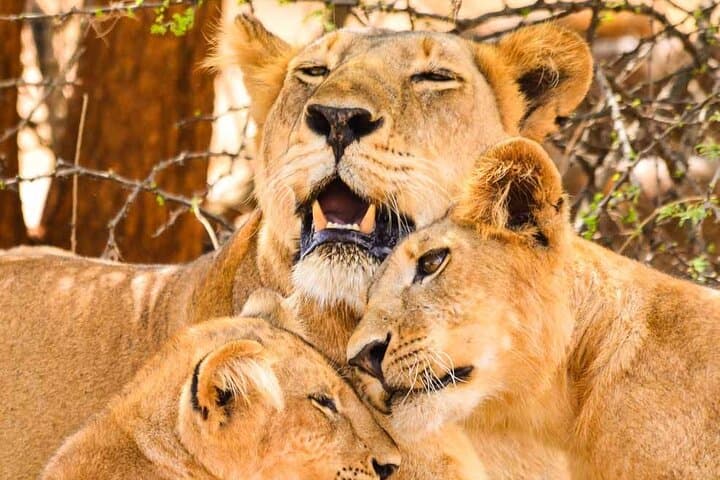
Expect classic early-morning and late-afternoon game drives for lions, buffalo, elephants, leopards, and packs of African wild dog, plus prolific birdlife. Visits to local communities are structured, brief, and guided by elders who explain manyatta life and traditional rites. Hot springs and the international border with South Sudan are short photo stops that underline the park’s remote position.
Practical guide: fly from Entebbe or Kajjansi to Kidepo (about two hours), plan for dusty roads and open-sided vehicles, and schedule game drives at cooler hours when wildlife is active. Bring layered sun protection, reliable optics, and a camera with a long lens. Hydrate frequently, respect community protocols during village visits, and follow guide instructions to minimize disturbance to wildlife and habitats.
easy.
4 days.
Suitable for travelers of most fitness levels; minimal walking required but expect vehicle-based transfers and short walks at lodges
Most visitors fly from Entebbe or Kajjansi to Kidepo Valley Airfield on scheduled charter flights arranged by their operator, reducing overland travel time.
Yes—game drives are done in open or pop-top vehicles and the itinerary notes accessibility; confirm vehicle options with the operator if mobility is limited.
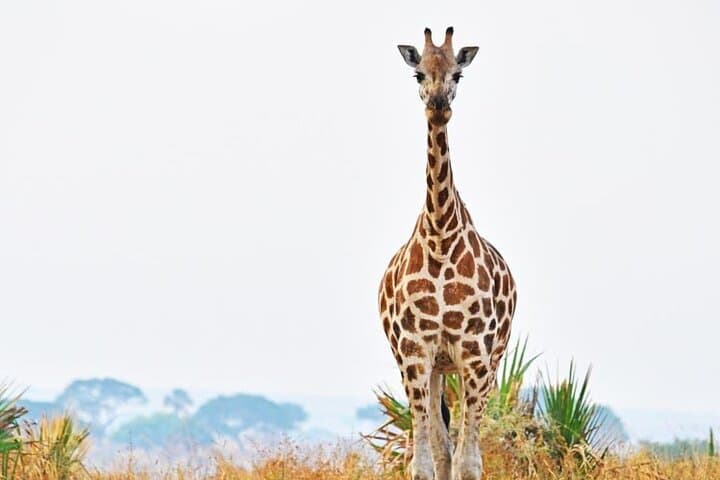
Expect lions, elephants, buffalo, various antelopes, ostriches, and prolific bird species; sightings vary by season and time of day.
Travelers should check current Ugandan visa rules and recommended vaccinations (e.g., yellow fever) with health authorities or a travel clinic prior to departure.
Kidepo’s isolation preserved both unique East African savannah habitats and cultural practices of the Karimojong and Ik, shaped by pastoralism and cross-border trade.
The park’s remoteness aids protection, but human–wildlife conflict and limited water make community-inclusive conservation and responsible tourism important for long-term resilience.
Verdoro Safaris Uganda operates guided outdoor trips and adventures with an emphasis on safety, stewardship, and memorable experiences.
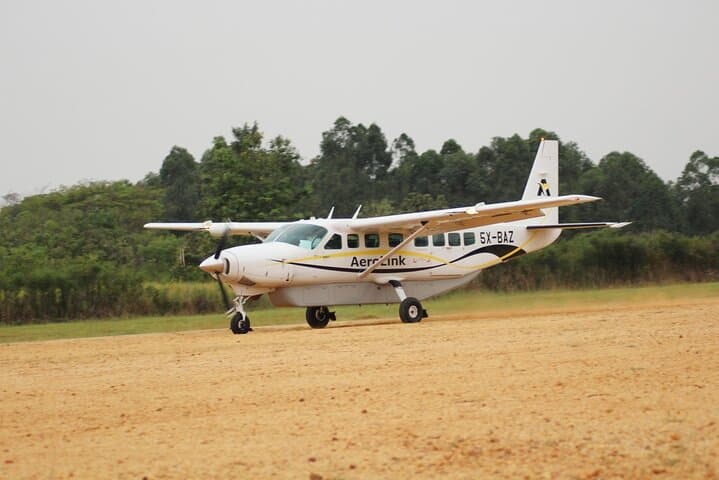

A small charter lands on the red strip of Kidepo Valley Airfield and the plane’s door opens onto wind that pushes across grassy plains — the park itself seems to inhale and hold its breath. On arrival, Apoka Safari Lodge sits low against rugged escarpments; guides load binoculars and cameras into the jeep and the afternoon game drive slips like a slow film across gold grass and koppies.
A small charter lands on the red strip of Kidepo Valley Airfield and the plane’s door opens onto wind that pushes across grassy plains — the park itself seems to inhale and hold its breath. On arrival, Apoka Safari Lodge sits low against rugged escarpments; guides load binoculars and cameras into the jeep and the afternoon game drive slips like a slow film across gold grass and koppies.
Kidepo occupies Uganda’s far northeastern corner, shaped by ancient tectonic uplifts and shallow river valleys. Narus and Kidepo valleys carve contrasting habitats — Narus is greener, drawing concentrations of plains game, while the Kidepo Valley opens into broad savannah where ostriches and cheetahs range. The area is also home to pastoral Karimojong and the Ik people, whose seasonal houses and songs mark cultural continuity in a marginal landscape.
Expect classic early-morning and late-afternoon game drives for lions, buffalo, elephants, leopards, and packs of African wild dog, plus prolific birdlife. Visits to local communities are structured, brief, and guided by elders who explain manyatta life and traditional rites. Hot springs and the international border with South Sudan are short photo stops that underline the park’s remote position.
Practical guide: fly from Entebbe or Kajjansi to Kidepo (about two hours), plan for dusty roads and open-sided vehicles, and schedule game drives at cooler hours when wildlife is active. Bring layered sun protection, reliable optics, and a camera with a long lens. Hydrate frequently, respect community protocols during village visits, and follow guide instructions to minimize disturbance to wildlife and habitats.