THE ADVENTURE COLLECTIVE® · Independent discovery and booking for outdoor travel

Cross the Atlas, ride camels at Erg Chebbi and sleep under Sahara stars on a compact 4-day route from Fes to Marrakech. Practical, scenic and culturally rich, this tour pairs gorges, kasbahs and desert nights.
Cross the Atlas, ride camels at Erg Chebbi and sleep under Sahara stars on a compact 4-day route from Fes to Marrakech. Practical, scenic and culturally rich, this tour pairs gorges, kasbahs and desert nights.
Dust lifts off the road as the Atlas Mountains recede and the first sweeps of ochre dunes appear on the horizon—this is the moment the Atlas gives way to the Sahara. On a four-day route from Fes to Marrakech, travelers pass cedar forests and mountain passes, cross the Ziz Valley’s palm-lined riverbed, and arrive at Merzouga’s Erg Chebbi where dunes rise like waves frozen in sand.
Verified experiences and guided adventures in the surrounding area.
Operated by Best Tours Morocco · Merzouga, Drâa-Tafilalet
Dust lifts off the road as the Atlas Mountains recede and the first sweeps of ochre dunes appear on the horizon—this is the moment the Atlas gives way to the Sahara. On a four-day route from Fes to Marrakech, travelers pass cedar forests and mountain passes, cross the Ziz Valley’s palm-lined riverbed, and arrive at Merzouga’s Erg Chebbi where dunes rise like waves frozen in sand.
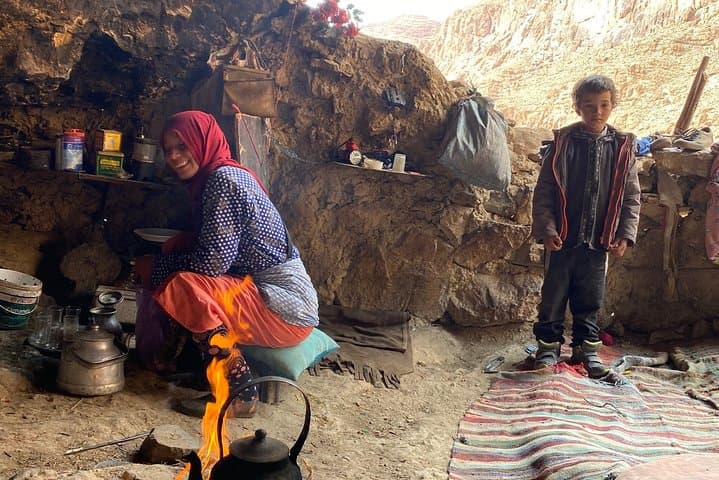
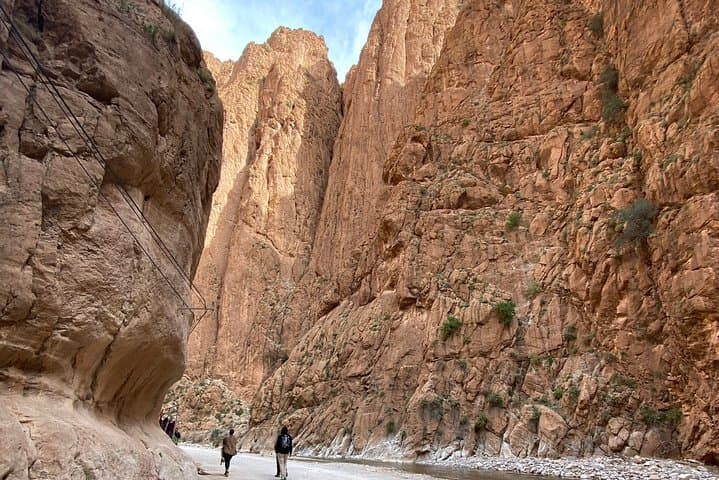
The route threads living history: Ifrane’s cedar woods where Barbary macaques forage, the oasis towns of Midelt and the Ziz, Rissani’s souk and the Gnawa music village of Khamlia. Geology alternates between limestone gorges—Todra and Dades—and the rock-built ksour of the Ouarzazate region, finishing at the fortified ksar of Ait Ben Haddou, a UNESCO site used in major films.
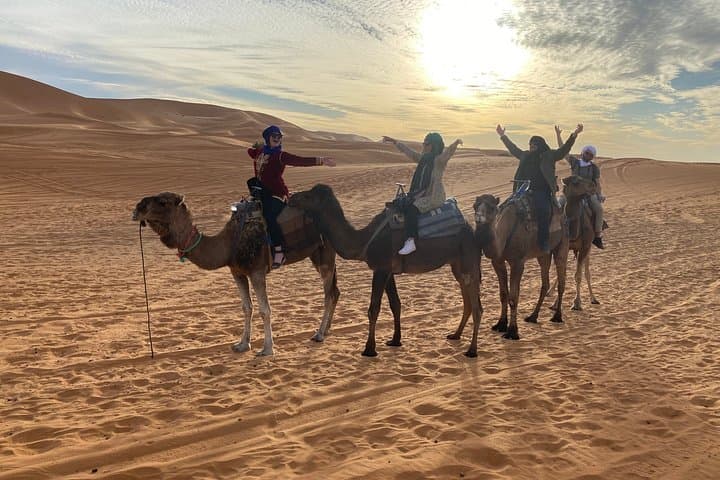
Expect a mix of paved driving, valley tracks and short guided walks. The desert night is the highlight: a guided camel ride up Erg Chebbi at sunset, dinner under the stars at a nomadic-style camp, and simple tent accommodations with shared facilities.
Practical notes: plan sun protection and layers—desert days are hot, nights can drop sharply. Hydrate and carry cash for small purchases in villages. Physical demands are low to moderate; camel treks are gentle but require balance. Allow time for photography and short hikes into gorges.
This itinerary balances cultural stops and landscape immersion, ideal for travelers wanting an efficient, ground-level introduction to Morocco’s desert and mountain environments without technical requirements.
moderate.
3–4 days.
Suitable for travelers in average fitness; able to handle several hours of riding and short walks at altitude.
No—camel treks on this route are guided and suitable for beginners; handlers assist mounting and dismounting.
Camps are typically private or shared tents with basic bedding and separate toilets; some have simple showers at nearby riads.
Yes—this route is commonly offered in either direction and logistics are similar regardless of start point.
Spring and fall offer mild days and cool nights; winter is chilly after sunset and summer can be very hot midday.
The route follows ancient caravan and trade roads; Ait Ben Haddou is a fortified ksar representing centuries of trans-Saharan commerce.
The Sahara’s dunes are fragile—stick to established camel tracks and camps, minimize water use, and pack out waste to reduce impact.
Best Tours Morocco operates guided outdoor trips and adventures with an emphasis on safety, stewardship, and memorable experiences.
Dust lifts off the road as the Atlas Mountains recede and the first sweeps of ochre dunes appear on the horizon—this is the moment the Atlas gives way to the Sahara. On a four-day route from Fes to Marrakech, travelers pass cedar forests and mountain passes, cross the Ziz Valley’s palm-lined riverbed, and arrive at Merzouga’s Erg Chebbi where dunes rise like waves frozen in sand.
Dust lifts off the road as the Atlas Mountains recede and the first sweeps of ochre dunes appear on the horizon—this is the moment the Atlas gives way to the Sahara. On a four-day route from Fes to Marrakech, travelers pass cedar forests and mountain passes, cross the Ziz Valley’s palm-lined riverbed, and arrive at Merzouga’s Erg Chebbi where dunes rise like waves frozen in sand.
The route threads living history: Ifrane’s cedar woods where Barbary macaques forage, the oasis towns of Midelt and the Ziz, Rissani’s souk and the Gnawa music village of Khamlia. Geology alternates between limestone gorges—Todra and Dades—and the rock-built ksour of the Ouarzazate region, finishing at the fortified ksar of Ait Ben Haddou, a UNESCO site used in major films.
Expect a mix of paved driving, valley tracks and short guided walks. The desert night is the highlight: a guided camel ride up Erg Chebbi at sunset, dinner under the stars at a nomadic-style camp, and simple tent accommodations with shared facilities.
Practical notes: plan sun protection and layers—desert days are hot, nights can drop sharply. Hydrate and carry cash for small purchases in villages. Physical demands are low to moderate; camel treks are gentle but require balance. Allow time for photography and short hikes into gorges.
This itinerary balances cultural stops and landscape immersion, ideal for travelers wanting an efficient, ground-level introduction to Morocco’s desert and mountain environments without technical requirements.